




Why Monsoon Greens Need Extra Care
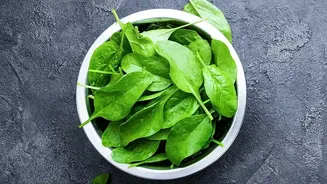
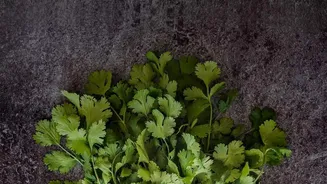
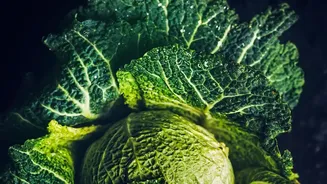
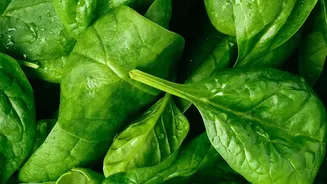
The high humidity, damp soil, and reduced sunlight during the rainy season create an ideal environment for bacteria, fungi, and pests to flourish. Leafy vegetables like spinach, cabbage, and coriander, with their many layers and large surface area, are particularly
good at trapping moisture, mud, and microbes. This makes them more susceptible to contamination that can lead to stomach infections, food poisoning, and other digestive issues if they are not handled correctly. The journey from farm to market can also expose them to further contaminants, making a thorough inspection and cleaning process essential for your health.
At the Market: Your Inspection Checklist
Your first line of defense is careful selection at the vegetable vendor. Don't rush this process. Take a moment to thoroughly inspect the greens before they go into your bag. Look for leaves that are crisp, firm, and brightly coloured. Avoid anything that looks wilted, yellowed, or has brown or slimy spots. Pay close attention to tiny holes, which can be a sign of insect activity. Check between the layers of cabbage and lettuce for hidden dirt or pests. Also, be wary of pre-cut vegetables, as the increased surface area combined with monsoon humidity can accelerate bacterial growth. Freshly bought, whole vegetables are a safer bet.
The Cleaning Ritual: A Step-by-Step Guide
Once you get your greens home, proper cleaning is non-negotiable. Start by rinsing them thoroughly under clean, running water to remove loose dirt and debris. For leafy varieties, it's best to separate the leaves to ensure water reaches every part. The next step is to soak them. A highly effective method is to submerge the greens in a bowl of water with either salt or vinegar for 10-15 minutes. A common ratio is one tablespoon of salt per litre of water, or a solution of one part white vinegar to three parts water. This helps to draw out hidden insects and can kill surface bacteria. After soaking, rinse each leaf again under running water.
Drying and Storing for Longer Freshness
Moisture is the enemy when it comes to storing greens. After washing, it is crucial to dry them completely to prevent spoilage and fungal growth. You can pat them dry with a clean kitchen towel or use a salad spinner. Once dry, wrap the leafy greens in a paper towel before placing them in a breathable or perforated bag in the refrigerator. The paper towel absorbs excess moisture, keeping the leaves crisp. Avoid sealing them in airtight plastic containers, which can trap moisture and cause them to rot faster. It's generally best to wash most vegetables just before use, but if you do wash greens in advance, ensure they are impeccably dry before storing.
Cooking Greens for Maximum Safety
During the monsoon, it's wise to favour cooked vegetables over raw salads. The high heat of cooking helps to kill any lingering harmful microorganisms that may have survived the washing process. Steaming, blanching, or sautéing your greens is much safer than consuming them raw, especially if purchased from outside. If you are craving a salad, make it at home using produce you have meticulously cleaned yourself. This simple switch in preparation can significantly reduce your risk of falling ill during the season.