



The Viral Fairytale
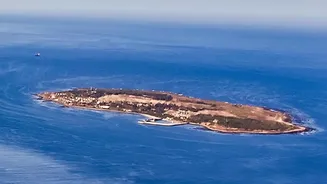
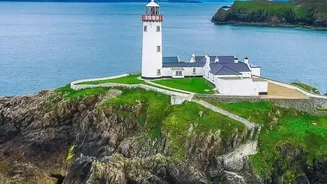
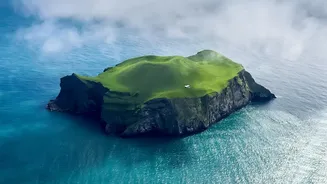
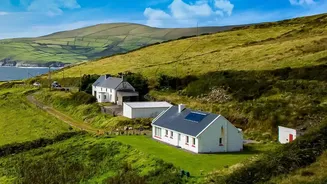
The story that captured imaginations worldwide was simple and seductive: in an effort to combat depopulation, the Irish government was offering grants of up to €84,000 (over $90,000) for people to pack their bags and start a new life on one of its beautiful
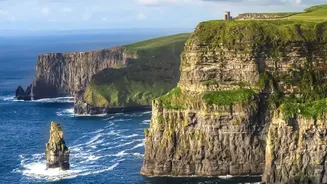
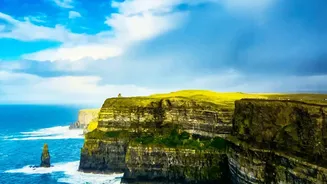
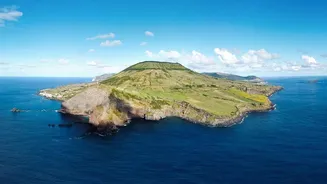
offshore islands. News outlets and social media posts painted a picture of a straightforward exchange – your presence for a hefty government check, with the windswept cliffs of islands like Inis Mór as your new backyard. This narrative led to a flurry of global interest, with property agents on islands like Achill reporting a surge in calls from as far as the US and South Africa from people who believed they would be paid simply to move.
The Reality: A Renovation Grant
The truth is that the Irish government is not paying anyone to move. The much-publicised figure is actually a grant to help people renovate derelict and vacant properties. It’s part of a wider, 10-year government strategy called 'Our Living Islands,' designed to make these communities sustainable for the long term. The policy's goal is to revitalize shrinking populations by making it more feasible to bring old, empty houses back to life, not to fund a sea change for dreamers. The grant is a reimbursement for construction work, meaning you have to spend the money first and claim it back later. A government spokesperson has explicitly stated that no payments are being offered to encourage people to relocate.
The Fine Print Is Crucial
The conditions for receiving the grant are stringent. First, you must purchase and own a qualifying property on one of the approximately 23 designated islands. The property must have been built before 2007 (or in some earlier reports, 1993) and have been vacant for at least two years. The maximum grant of €84,000 is reserved for properties classified as 'derelict'—often meaning structurally unsound—while vacant (but not derelict) homes may qualify for a smaller grant of up to €60,000. The money can only be used for specific renovation work like structural repairs, insulation, and plumbing; it does not cover cosmetic touches or furniture. Furthermore, the renovated house must become your principal private residence or be used for long-term rental, not as a holiday home or short-term let.
The Immigration Hurdle
For non-EU citizens, including those from India, there's another significant catch that viral headlines often ignore: the grant gives you no right to live in Ireland. While anyone can legally purchase property in Ireland, owning a home does not automatically grant residency or a visa. An aspiring islander from outside the European Union would still need to qualify for residency through standard immigration channels, such as obtaining a work permit or proving they can financially support themselves in retirement. This is a major and often complex step that is entirely separate from the property grant. The scheme is tied to the building, not the person, and is primarily aimed at revitalising housing stock for those who already have the right to reside in the country.
A Plan for Preservation, Not Payouts
At its heart, the 'Our Living Islands' policy is about preserving culture and community. Over the last few decades, the populations of these islands have dwindled, leaving many with an older demographic as young people move to the mainland for education and work. With fewer than 3,000 people spread across roughly 30 islands, these communities are at risk. The government's plan is a comprehensive effort to improve infrastructure, high-speed broadband, transport, and healthcare to make island life more viable. The housing grant is just the most eye-catching component of a much larger strategy to ensure these unique parts of Ireland's heritage can thrive for generations to come, rather than becoming hollowed-out tourist destinations.