


The Old Protein Playbook
For years, the standard dietary advice for protein has been based on a Recommended Dietary Allowance (RDA) of 0.8 grams of protein per kilogram of body weight. For a 70-kilogram adult, that’s about 56 grams of protein per day. This number was established
decades ago based on studies designed to determine the minimum amount of protein needed to prevent deficiency in a generally healthy but sedentary person. It was a survival floor, not an optimal target for thriving. While it served as a useful baseline, experts have argued that this single figure fails to account for the vast differences in human bodies, lifestyles, and health goals. It was never intended to guide an athlete building muscle, an older adult preserving strength, or someone trying to manage their weight effectively.
The New Consensus: Protein Is Personal
A wave of recent scientific analysis, including major consensus reviews from leading protein researchers, is officially reframing our approach. The new thinking moves away from a single RDA and towards a more flexible range that considers individual context. Many expert groups now suggest an optimal intake for most adults is significantly higher, falling within the range of 1.2 to 1.6 grams per kilogram of body weight. For that same 70-kilogram person, this translates to 84-112 grams daily—a substantial increase. The core message is that factors like your age, how active you are, and your specific health objectives are critical in determining where you should fall within that range. The era of a single protein target is over; the era of personalized protein strategy has begun.
Your Activity Level Is Key
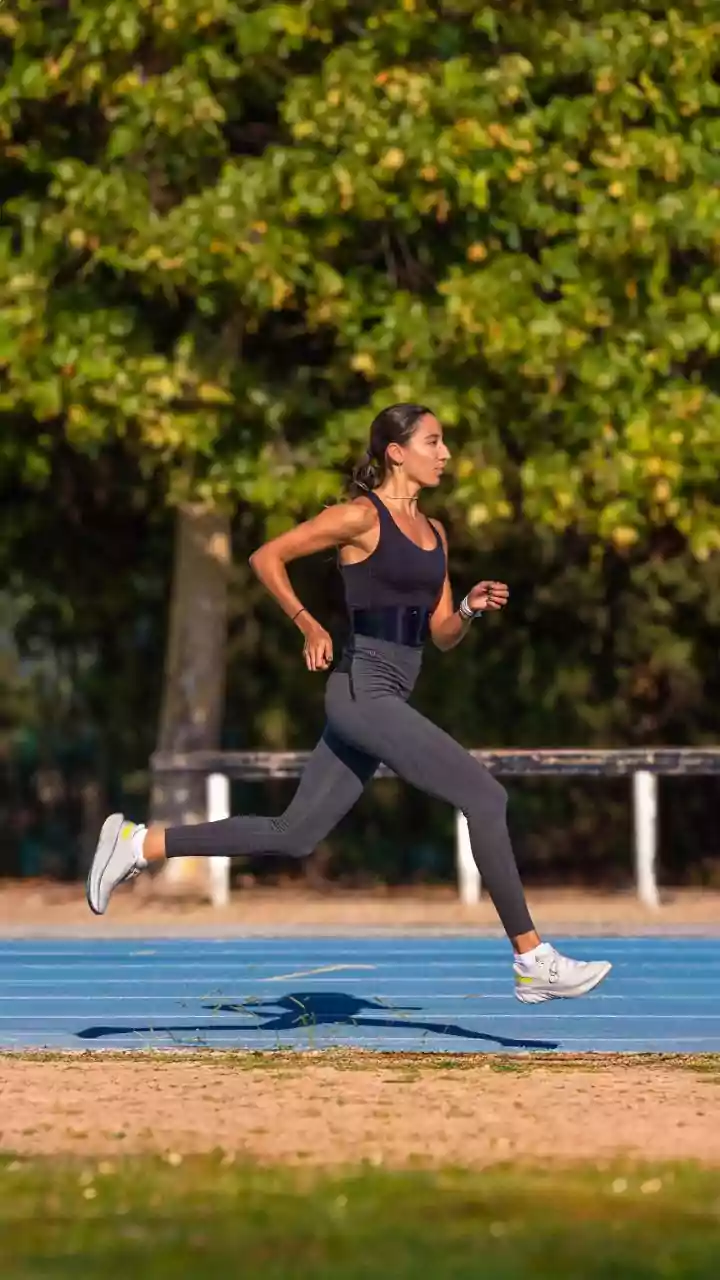
One of the most significant factors influencing your protein needs is your activity level. A sedentary person has vastly different requirements than someone who exercises regularly. While a less active individual might aim for the lower end of the new 1.2-1.6 g/kg range, those who are physically active need more to repair tissues and build muscle. The International Society of Sports Nutrition recommends 1.4 to 2.0 g/kg of protein per day for active individuals. This higher intake supports training adaptations, enhances recovery, and helps build and maintain lean body mass. For those engaged in intense resistance training or competitive sports, the requirement might be even higher, especially during periods of calorie restriction to preserve hard-earned muscle.
Ageing and Muscle Health
As we get older, our bodies become less efficient at using protein to build muscle, a phenomenon known as anabolic resistance. This makes preserving muscle mass more challenging and increases the risk of sarcopenia, the age-related loss of muscle mass and strength. To counteract this, older adults (generally considered those over 65) need more protein than their younger counterparts. Scientific groups recommend that healthy older adults consume between 1.0 and 1.2 g/kg of protein daily, with some suggestions going even higher. Furthermore, older adults may need a larger dose of protein per meal—around 30-40 grams—to adequately stimulate muscle synthesis, compared to the 20-25 grams that may be sufficient for a younger person.
Quality, Timing, and Plant-Based Diets
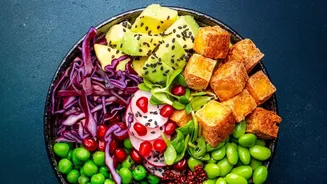
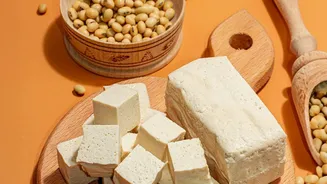
Beyond the total daily amount, the new guidelines also highlight the importance of protein quality and timing. Spreading your protein intake evenly throughout the day, in 3-4 meals, appears to be more effective for muscle maintenance than consuming most of it in one large dinner. Protein quality is also vital. Animal proteins are 'complete,' containing all nine essential amino acids, but plant-based diets can easily meet protein needs with careful planning. For those following a vegetarian or vegan diet in India, it's crucial to combine different plant protein sources—such as dal with rice, or lentils with rotis—to ensure a complete amino acid profile. Foods like paneer, tofu, soy products, beans, chickpeas, and quinoa are excellent sources to help meet these higher protein targets.