






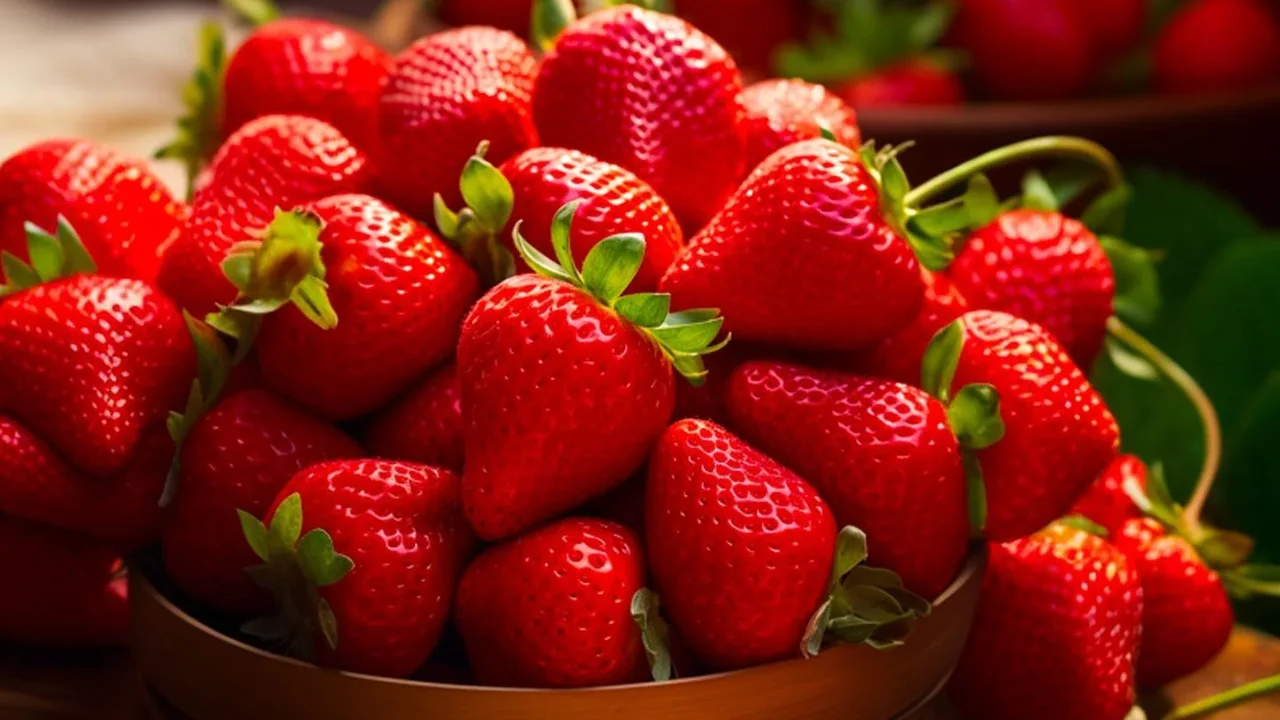
The Quest for an Indian Strawberry
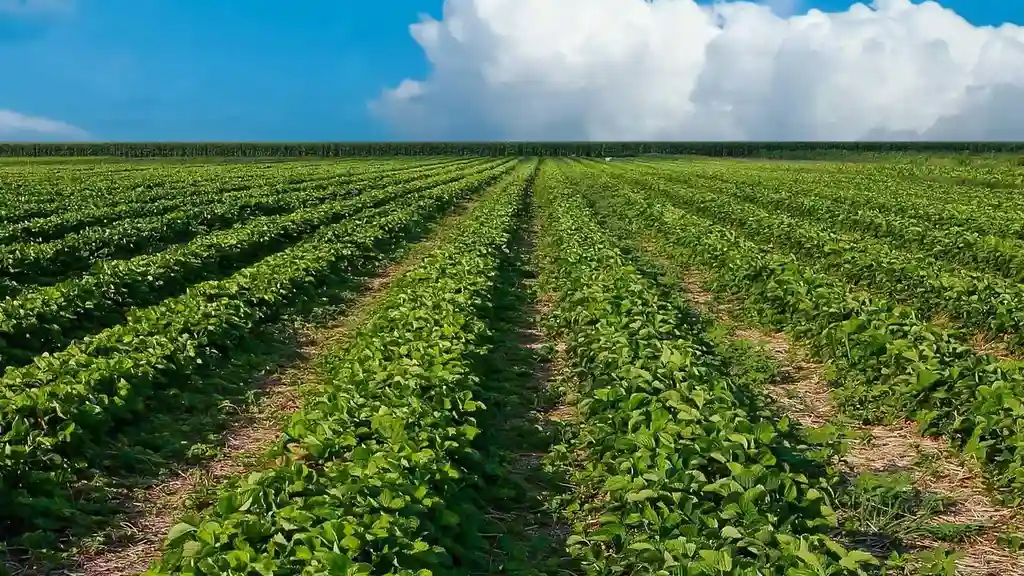
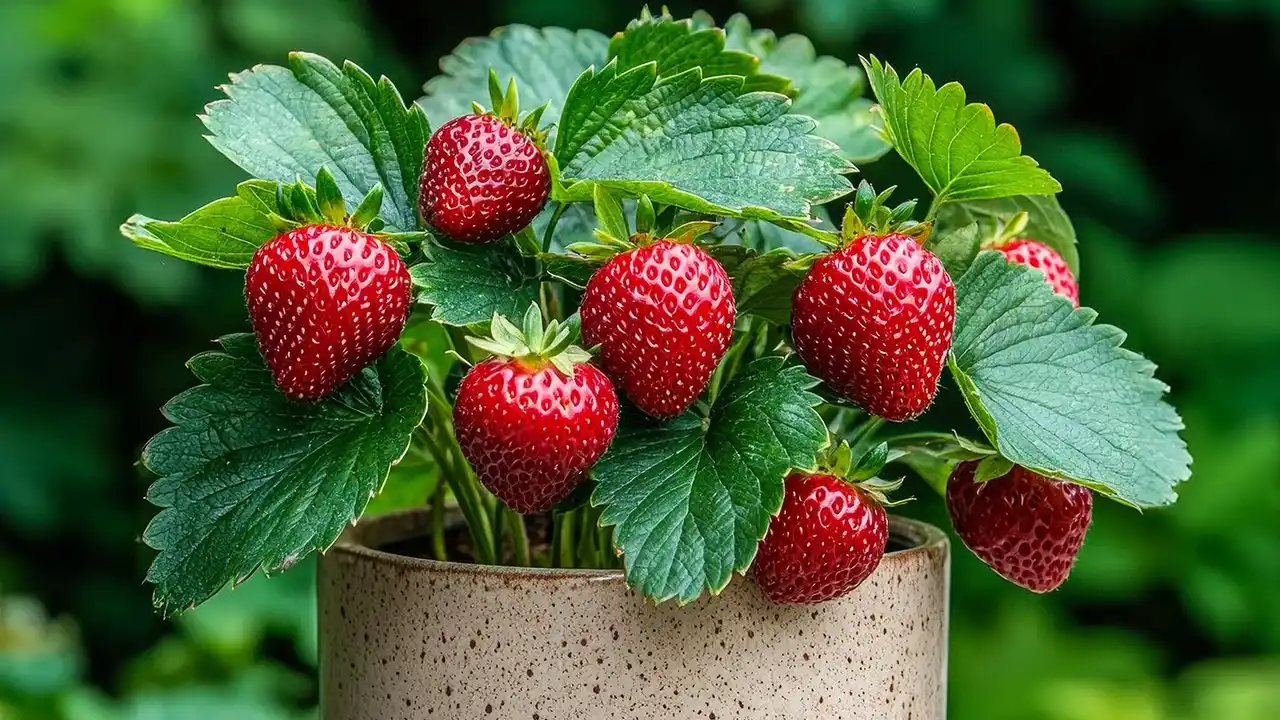
For decades, Indian strawberry farming has relied heavily on imported varieties, primarily from places like California. While these have helped establish Mahabaleshwar as the country's strawberry capital, accounting for about 85% of production, they are
not perfectly suited to India's diverse and increasingly unpredictable climate. This dependence creates risks, from high seedling costs to vulnerability to local pests and weather patterns. To address this, a significant research initiative is in motion. In a joint project, Mahatma Phule Agricultural University and the Bhabha Atomic Research Centre are working to develop India's first truly indigenous strawberry varieties. The goal is to create plants specifically adapted to local conditions, a crucial step towards agricultural self-reliance.
Designing a Climate-Ready Berry
What does it mean for a strawberry to be “climate-ready”? It means breeding plants that can withstand the specific challenges Indian farmers face. This includes tolerance to higher temperatures, as unseasonal heat can reduce yield and affect fruit quality. It also involves resistance to fungal diseases that thrive in humidity caused by erratic rainfall. Researchers are exploring methods like gamma irradiation to induce genetic mutations, hoping to produce plants with desirable traits. Varieties like Winter Dawn have already shown some promise in handling higher temperatures, expanding cultivation into new regions like Rajasthan. The ultimate aim is to develop robust cultivars that give consistent, high-quality fruit even when the weather doesn't cooperate, reducing risk for the thousands of small farmers who depend on this cash crop.
Why Good Things Take Time
The project's 10 to 15-year timeline may seem long, but plant breeding is a meticulous and patient process. It begins with creating genetic diversity, followed by years of selection, cross-breeding, and field trials. Scientists must evaluate countless plants to find the few that combine all the desired characteristics: climate resilience, disease resistance, excellent flavour, good size, and a long shelf life. Each new potential variety must be tested across multiple seasons to ensure its performance is stable and reliable. This long-term commitment is essential to ensure that the final product delivered to farmers is genuinely superior and can form the basis of a more secure horticultural future. Similar long-running breeding programs in other parts of the world have been responsible for creating the popular varieties we know today.
Beyond the Berry: A Vision for Indian Agriculture
This strawberry project is a microcosm of a much larger vision for Indian agriculture. It represents a strategic shift from relying on foreign-developed crops to building a domestic capacity for innovation. Developing indigenous varieties is a cornerstone of 'Atmanirbhar Krishi' (self-reliant agriculture). Success in this project would not only secure the future of strawberry farming but also create a blueprint for other high-value horticultural crops. By developing local solutions, India can reduce import dependency for planting materials, create crops better suited to its unique agro-climatic zones, and empower its farmers. It allows growers in states from Mizoram to Odisha to diversify their income and move away from less profitable or more precarious farming practices, boosting rural economies.