



What Exactly Is Tandem Paragliding?
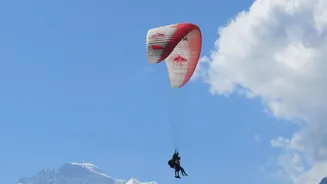
Tandem paragliding is the simplest way to experience free flight. You are securely strapped into a comfortable harness in front of a certified, experienced pilot who handles every aspect of the flight. Unlike skydiving, there's no dramatic freefall; it's
a gentle takeoff from a slope, followed by a serene glide. The pilot manages the wing, steering, and landing, leaving you free to relax and absorb the breathtaking scenery. No technical knowledge is required from the passenger, making it an accessible adventure for those curious about flying.
Are You a 'Suitable' First-Timer?
The term 'suitable' has less to do with being an adrenaline junkie and more about your mindset and basic mobility. A suitable first-timer can listen to and follow simple instructions from the pilot, especially during the critical moments of takeoff and landing. Mentally, it's about trust. You need to be able to trust your certified pilot and their expertise, which helps manage any natural nervousness about heights. The sensation is more of a smooth glide than a roller coaster, and most anxieties fade once you are peacefully seated in the air. So, a willingness to listen and a calm-but-excited attitude are the primary mental requirements.
The Physical Side of Your First Flight
The physical demands for a tandem flight are surprisingly minimal. You do not need to be an athlete. The main requirement is the ability to jog for a few steps during takeoff as you and the pilot run down a gentle slope to lift off the ground. For landing, you'll often be asked to prepare to stand up and absorb an impact comparable to skipping the last step on a flight of stairs. Most companies have a passenger weight limit, which typically ranges up to 110-120 kg, depending on the equipment and conditions. As for what to wear, think layers. It's often cooler at altitude, so long trousers, a jacket, and sturdy, closed-toe shoes like hiking boots or trainers are essential.
Safety Is the Highest Priority
Reputable paragliding operators in the Alps adhere to strict safety regulations. In countries like Switzerland and Austria, tandem pilots must undergo extensive training and hold specific certifications. Before every flight, pilots conduct thorough checks of the weather conditions and all equipment, including the wing, harnesses, and reserve parachute. Flights will be postponed or cancelled if conditions like wind or visibility are not optimal. This safety-first culture ensures that the experience is as low-risk as possible. When done with a professional company, tandem paragliding is considered a very safe activity.
From Peak to Valley: What to Expect
Your adventure typically begins with meeting your pilot, who will provide a safety briefing and explain the process. After getting fitted into your harness, you'll walk to the launch site. For takeoff, you'll simply run forward with your pilot for a few metres until the wing catches the air and gently lifts you off the ground. Once airborne, the noise of the world fades away, replaced by the sound of the wind. You can communicate with your pilot, who may point out landmarks or even offer you a chance to try some gentle turns. The flight duration can vary, often lasting between 10 to 30 minutes, before a smooth and controlled landing in a designated field, usually with you just needing to lift your legs and let the pilot touch down first.
How to Choose the Right Operator
Your experience largely depends on the professionalism of the company you choose. Look for operators with a strong safety record and certified pilots. Check for licenses from recognised national bodies, such as the SHV in Switzerland. Reading recent reviews from other first-time flyers can provide valuable insight. A professional company will have a clear booking process, be transparent about weather-related cancellations, and patiently answer any questions you have. Don't hesitate to ask about their pilot experience and safety procedures before booking.