






When thousands of flights across the United States are grounded, the search for a simple cause begins immediately. But while early reports point to a single corrupted file or a botched router upgrade, aviation and technology experts warn that these are merely
symptoms of a much deeper and more troubling problem.
The Simple Story: A Damaged File
In January 2023, the US Federal Aviation Administration (FAA) ordered a nationwide ground stop for the first time since the 9/11 attacks, causing more than 11,000 delays and cancellations. The initial explanation was startlingly simple: a 'damaged database file' in the Notice to Air Missions (NOTAM) system, which provides pilots with critical safety alerts. The FAA stated that contract personnel had unintentionally deleted files during maintenance. The narrative was straightforward—an honest mistake by an engineer that cascaded into national chaos. Similarly, another major ground stop in November 2026 was first attributed to a single misbehaving router during a network upgrade. While factually true, experts argue this focus on a single point of failure is dangerously misleading.
The Real Culprit: Decades of Technical Debt
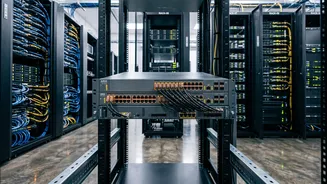
According to technology and aviation analysts, blaming a single file or router is like blaming a single leaky pipe for a building's collapse after decades of neglect. The real issue is 'technical debt'—the implied cost of rework caused by choosing an easy, limited solution in the past instead of using a better approach that would take longer. For years, the FAA has been running on aging, brittle infrastructure. Some systems still rely on copper wiring from the 1960s, 1980s-era hardware, and, until recently, even floppy disks. A 2024 assessment found that over a third of the FAA's 138 air traffic control systems were considered 'unsustainable'. This patchwork of old and new technology creates a fragile ecosystem where one small error can trigger a catastrophic, system-wide failure because there are no modern fail-safes or resilient backups.
A Modernization Effort Fraught With Delay
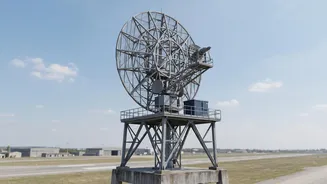
The FAA has been trying to modernize. A massive overhaul known as NextGen, started in 2007, aims to replace ground-based radar with satellite navigation and digital communications. However, the project has been plagued by delays and inadequate funding. Even when funds are approved, progress is slow. Congress approved an initial $12.5 billion for a recent overhaul, but the estimated cost quickly ballooned to over $30 billion, and has since been raised to a $50 billion request. The challenge is immense: the FAA cannot simply take its systems offline for an upgrade. Every migration must happen live, while the world's busiest airspace continues to operate, making the process incredibly complex and risky.
The Human Element and Systemic Risk
The problem isn't just about old hardware; it's also about people and processes. The FAA has faced chronic shortages of air traffic controllers, leading to high burnout rates. In the case of the November 2026 outage, maintenance logs were reportedly kept on paper, forcing officials to dig through physical records to figure out who was working where when the system began to fail. This combination of aging technology and under-resourced human systems creates a dangerous level of systemic risk. Experts warn that the 2023 and 2026 ground stops were not isolated anomalies but inevitable consequences of this fragility. They are precursors, serving as a stark warning that without continuous, aggressive investment in both technology and personnel, such crippling outages will happen again.