





A Land Without Income Tax
For residents of Monaco, the concept of filing an annual income tax return is entirely foreign. Since a princely decree in 1869, the country has not levied any direct personal income tax. This means that for Monegasque nationals and the majority of its
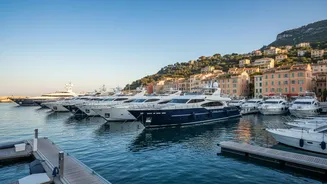
foreign residents, income earned from salaries, investments, and capital gains remains entirely their own. There are also no wealth taxes, property taxes, or council taxes, which are common in many other developed nations. This long-standing policy has turned the tiny city-state on the French Riviera into a magnet for the world's wealthiest individuals, with reports suggesting that nearly one in three residents is a millionaire.
The French Exception
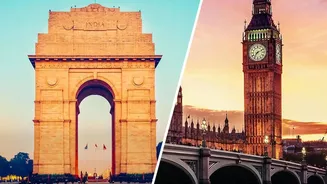
The zero-tax rule, however, has one significant exception: French citizens. A bilateral treaty signed in 1963 between Monaco and France dictates that any French national who relocates to Monaco is still subject to French income tax, as if they were living in France. This agreement was a result of pressure from then-French President Charles de Gaulle, who was concerned about wealthy French citizens using Monaco as a tax haven to escape their fiscal duties. Therefore, while an Indian, British, or Brazilian national can move to Monaco and legally pay no income tax, their French neighbour cannot enjoy the same benefit.
So, Where Does the Money Come From?
If citizens aren't paying income tax, how does the government fund its pristine streets, top-tier security, and public services? The answer lies in a diversified, business-focused revenue model. The single largest source of income for the Monegasque state is Value Added Tax (VAT). Monaco is part of a customs union with France and adheres to the same VAT system, which is set at a standard rate of 20% on goods and services. This consumption tax provides over half of the government's total revenue. Another major contributor is corporate income tax. Businesses that generate more than 25% of their turnover outside of Monaco are subject to a tax on their profits. Additionally, the state earns significant income from government-owned enterprises, including the famous Monte Carlo Casino, and revenue from the thriving real estate and tourism sectors.
A Crisis-Born Economic Strategy
Monaco's tax policy wasn't born from modern financial engineering but from a 19th-century crisis. In 1848, the towns of Menton and Roquebrune, which provided the bulk of Monaco's territory and agricultural revenue, seceded to join France, citing high tax burdens. This left the principality on the verge of bankruptcy. In response, Prince Charles III made a bold move: he developed Monaco into a hub for luxury tourism, centered around the newly built Monte Carlo Casino. As gambling was illegal in much of Europe, wealthy aristocrats flocked to Monaco, pouring money into the local economy. The venture was so successful that by 1869, the Prince was able to abolish all direct taxes on his citizens, funding the state entirely with revenue from outsiders.
The Price of a Tax-Free Life
Before you pack your bags, it's crucial to understand the catch. Becoming a resident of Monaco is an exclusive and expensive affair. Prospective residents from outside the EU, including Indian citizens, must first secure a long-stay visa from France. The core requirements include proving you have a place to live, which means either buying property in one of the world's most expensive real estate markets or securing a 12-month lease. More importantly, you must prove financial self-sufficiency by depositing a substantial amount of money in a Monaco-based bank—typically a minimum of EUR 500,000 (over ₹4.5 crore). The cost of living is astronomical; on average, Monaco is over 2,000% more expensive than India, with rent alone being thousands of percentage points higher.