



The Unmissable Waterfalls
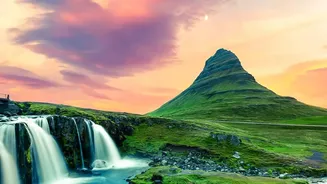
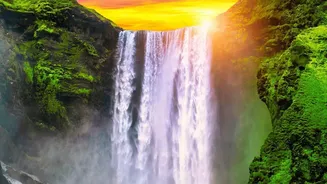
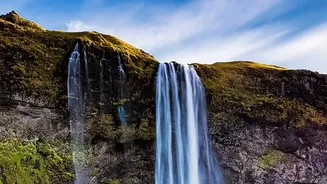
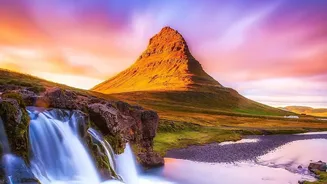
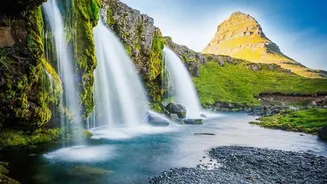
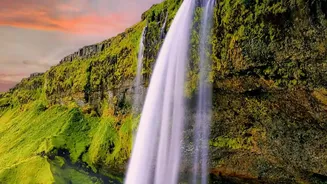
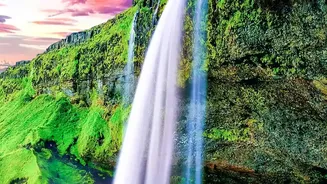
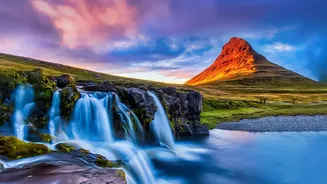
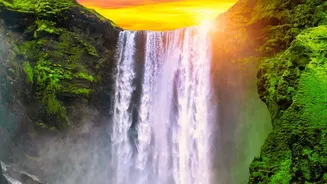
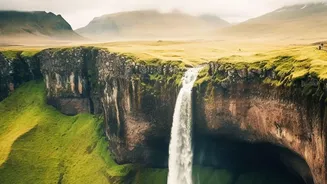
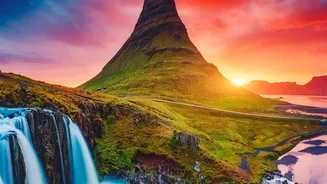
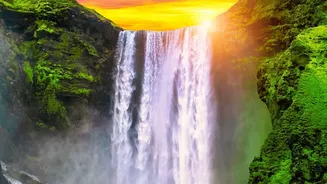
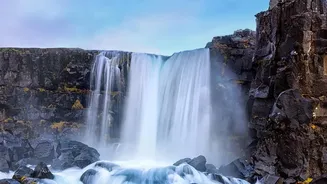
While Iceland boasts over 10,000 waterfalls, a few stand out for their sheer scale and beauty. Gullfoss, the 'Golden Falls', is a powerful, two-tiered cascade on the popular Golden Circle route. Further along the South Coast, Seljalandsfoss offers the unique
experience of walking behind its watery curtain, while the nearby Skógafoss thunders down with immense force. For those venturing north, Dettifoss is renowned as one of Europe's most powerful waterfalls, a truly humbling sight. Each offers a different perspective on the raw power of Icelandic nature.
Choosing the Best Time to Visit
Your experience will change dramatically with the seasons. Summer (June to August) offers long daylight hours—nearly 24/7—and milder weather, making it the peak season for travel. The falls are at their most powerful, fed by glacial melt, and all roads are typically open. Spring (March to May) is a transitional period with melting snow and powerful flows, plus fewer crowds. Autumn brings beautiful colours but also more unpredictable weather. Winter transforms the waterfalls into magical ice sculptures, and it's the prime time to see the Northern Lights, but daylight is scarce and access can be limited by snow and ice.
Getting Around the Island
Renting a car provides the most freedom to explore at your own pace. Iceland drives on the right, and your home country's driver's license is usually sufficient if it's in Roman characters. The main Ring Road (Route 1) is paved and circles the island, providing access to many major sights. However, be prepared for changing conditions. Headlights must be on at all times, day or night. Be aware of single-lane bridges, gravel sections, and wandering sheep, especially in rural areas. Always check road conditions on official sites like road.is before setting out, particularly outside of summer.
Packing for Unpredictable Weather
Layering is the key to comfort in Iceland, no matter the season. Your packing list should be built around a three-layer system: a moisture-wicking base layer (like thermal underwear), an insulating mid-layer (fleece or wool), and a waterproof and windproof outer layer. Waterproof trousers are essential, not just for rain but for the powerful mist from waterfalls like Gullfoss and Seljalandsfoss. Sturdy, waterproof hiking boots with good grip are non-negotiable for navigating slippery paths. Also pack a hat, gloves, a scarf, and sunglasses, as the weather can change in an instant.
Staying Safe Near the Falls
The beauty of Iceland's nature is matched by its raw power, so safety is paramount. Always stay on marked paths and respect barriers; they are there for a reason. Rocks near waterfalls are almost always wet, slippery from mist and algae, and can be treacherous. Never get too close to the edge of a cliff or the powerful currents of a river. When visiting coastal locations like the black sand beaches near some waterfalls, be extremely wary of 'sneaker waves' that can appear without warning. Keep your phone charged, let someone know your plans, and always prioritize safety over the perfect photo.