








Embrace the Power of Pulses
Lentils, chickpeas, and beans are the foundation of affordable, plant-rich cooking. These pulses are not only inexpensive, especially when purchased dried, but they are also nutritional powerhouses. A single cup of cooked lentils offers around 18 grams
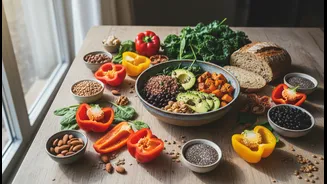
of protein and 16 grams of fiber, keeping you feeling full and satisfied long after a meal. This high fiber content is beneficial for digestive health and can help stabilize blood sugar levels, preventing the energy crashes associated with processed foods. Furthermore, pulses are packed with essential minerals like iron, potassium, and magnesium, which support heart health. Their versatility is unmatched; they can be transformed into hearty soups, flavourful curries like dal or chana masala, blended into hummus, or added to salads for a protein boost.
Make Whole Grains Your Foundation
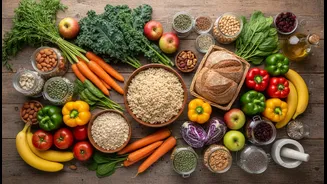
Whole grains are another cornerstone of a frugal, plant-forward diet. Items like brown rice, oats, millets, and whole-wheat flour provide complex carbohydrates, which deliver sustained energy. Unlike their refined counterparts, whole grains retain their bran and germ, offering more fiber, vitamins, and minerals. Starting your day with a bowl of oatmeal is a classic example of an affordable, filling meal. Using brown rice or millets as the base for stir-fries, pulaos, or with curries adds substance and nutrients. Buying these grains in bulk can significantly lower the cost per serving, making them one of the most economical choices for building meals. They serve as the perfect canvas, ready to absorb the flavours of spices, sauces, and vegetables.
Shop Smart for Vegetables
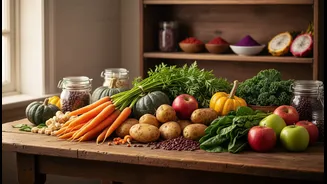
Fresh produce can seem like a major expense, but strategic shopping makes all the difference. Prioritizing seasonal and local vegetables is the most effective way to save money. When produce is in season, it is more abundant and therefore less expensive. Cabbage, carrots, onions, potatoes, and leafy greens are often affordable year-round and can be used in a vast array of dishes. Don't overlook the frozen food aisle; frozen vegetables are picked and frozen at peak freshness, retaining their nutrients, and are often cheaper than their fresh counterparts, especially for out-of-season items. They also help reduce food waste, as you can use only what you need and save the rest.
Plan Your Meals, Reduce Your Waste
A little bit of planning goes a long way in managing your food budget. Before you shop, take inventory of your pantry, fridge, and freezer to see what you already have. Build your week's meals around these items and create a shopping list for only what you need to avoid impulse buys. Cooking in batches is another powerful strategy. Make a large pot of lentil soup, dal, or a vegetable stew that can provide several meals throughout the week. This not only saves money but also precious time on busy weeknights. Using leftovers creatively—turning a stir-fry into a wrap filling or adding leftover roasted vegetables to a grain bowl—ensures that nothing goes to waste.
Simple, Staple-Based Meal Ideas
Putting it all together is simple. For breakfast, consider oatmeal with a banana or idli with sambar. Lunch could be a hearty lentil soup with a slice of whole-wheat bread, or leftover rice and dal. For dinner, a vegetable stir-fry with tofu and brown rice, a mixed vegetable curry with rotis, or chana masala with a side salad are all excellent, low-cost options. These meals are built entirely from the affordable staples discussed: pulses, grains, and common vegetables. They prove that eating well doesn't require special ingredients or a large budget—just a focus on the humble, hardworking foods that have nourished people for generations.