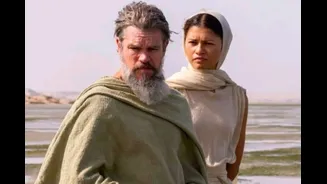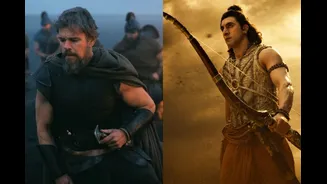








Who Is the Hero, Odysseus?
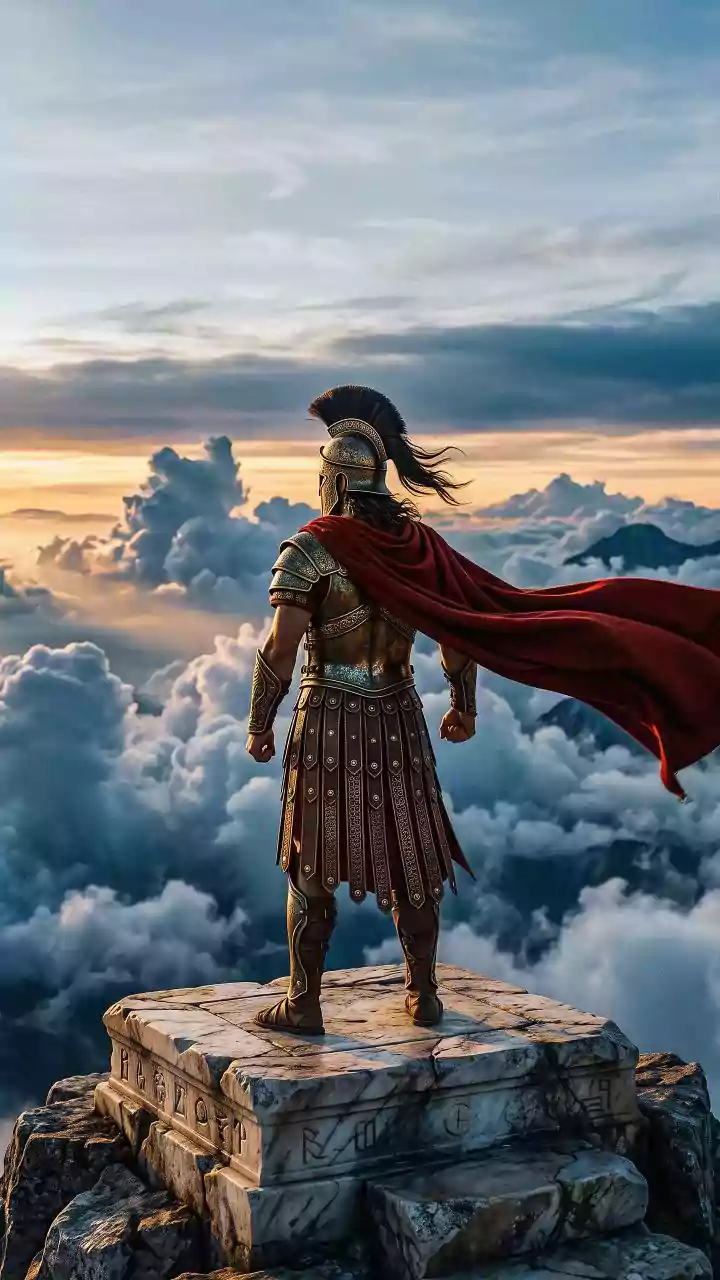
The hero of this ancient Greek epic is Odysseus, the king of a small island called Ithaca. While he is a formidable warrior who fought in the famous Trojan War, his true superpower is his mind. Homer calls him a “man of twists and turns,” renowned more
for his cunning and intelligence than for brute force. He is a brilliant strategist, a gifted speaker, and a survivor. The entire story revolves around his desperate, 20-year struggle to return to his wife, Penelope, and his son, Telemachus, after the war in Troy.
A Journey Cursed by a God
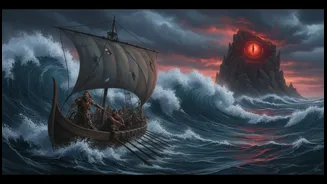
The Odyssey is not about the Trojan War itself, but the torturous ten-year journey home that followed the ten years of war. Odysseus’s main adversary isn't a mortal but a god: Poseidon, the ruler of the seas. The hero earns the god's fury when he blinds Poseidon's son, a one-eyed giant named Polyphemus the Cyclops. As punishment, Poseidon ensures Odysseus’s path home is anything but direct, throwing storms and monsters at him and his crew at every turn.
Monsters, Witches, and Sirens
The story is packed with the kind of fantastic encounters that make for epic cinema. Besides the Cyclops, Odysseus and his men face an array of threats. They are ensnared by the enchantress Circe, who turns some of his crew into swine. They must navigate past the Sirens, whose irresistible song lures sailors to their deaths. Odysseus even journeys to the underworld to seek advice from the blind prophet Tiresias. These trials test not only his strength but also his leadership and cleverness, as he must constantly outwit supernatural forces.
Chaos on the Home Front
While Odysseus is lost at sea, his kingdom is in peril. Believing him to be dead, a mob of arrogant suitors has overrun his palace. They live off his wealth, harass his servants, and relentlessly pressure his faithful wife, Penelope, to choose one of them as her new husband. She cleverly holds them off by pretending to weave a burial shroud for Odysseus’s aging father, unravelling her work each night. Meanwhile, his son Telemachus, now a young man, embarks on his own journey to find news of his long-lost father.
The Ultimate Homecoming
When Odysseus finally returns to Ithaca, he does so in secret. The goddess Athena, his divine protector, disguises him as an old beggar so he can assess the situation and test the loyalty of his family and servants. This theme of testing identity is central to the story's climax. He endures abuse from the suitors in his own home before finally revealing his true identity. In a dramatic showdown, Odysseus, with the help of Telemachus and a few loyal servants, strings his mighty bow—a feat no suitor could manage—and vanquishes them all, reclaiming his throne and reuniting with Penelope.
Why the Story Still Resonates
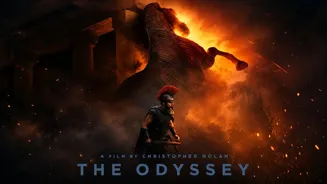
At its heart, The Odyssey is about the universal human desire to return home—a theme the Greeks called nostos. It explores ideas of loyalty, identity, vengeance, and whether cunning is superior to strength. It’s a story about a man battling gods and monsters, but also about a husband and father fighting his way back to his family. These profound themes are likely what attracted a filmmaker like Christopher Nolan, who often explores complex human struggles on a grand scale. The story is a foundational myth that has shaped Western literature for nearly 3,000 years.