


The Magic of Market Peanuts
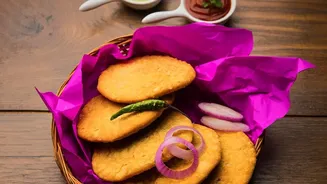
There's something uniquely satisfying about a cone of warm, spicy peanuts. It’s a snack that’s both simple and complex—a symphony of crunch from the peanut and its spiced coating, followed by a lingering warmth. Known variously as masala kadalai or peanut pakoda,
this isn't just a snack; it's a taste of nostalgia, of train journeys and bustling evening bazaars. The store-bought versions are convenient, but they often lack the fresh, vibrant punch of those made right before your eyes. Making them yourself allows you to control the quality of ingredients, the level of spice, and most importantly, achieve that ultimate, non-negotiable crispiness that defines a truly great market-style peanut.
Your Ingredient Checklist
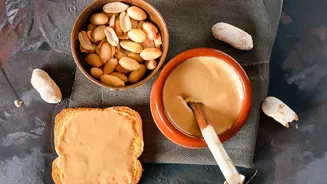
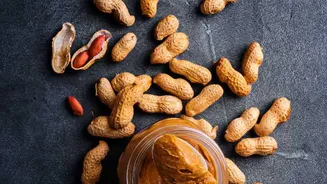
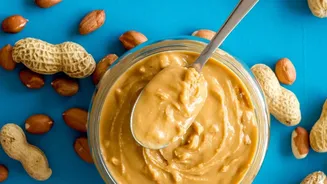
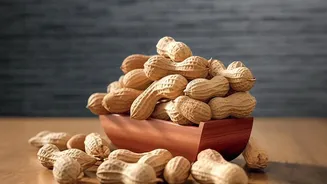
The beauty of this recipe lies in its pantry-friendly ingredients. The key is the coating, which creates the crunchy shell. You will need raw peanuts, as pre-roasted ones won't work for this preparation. The coating is a blend of flours and spices. A combination of besan (gram flour) provides the nutty, savoury base, while a smaller amount of rice flour is the secret weapon for an extra-crispy texture. For spices, gather Kashmiri red chilli powder for colour, a hotter chilli powder for heat, turmeric, chaat masala for that tangy kick, and a pinch of asafoetida (hing) for its unique pungent aroma. Salt, water, and oil for deep-frying complete the list. Some recipes also include additions like ginger-garlic paste, a pinch of baking soda for lightness, or amchur (dry mango powder) for more sourness.
The Method: A Slow Dance at the Stove
Success with masala peanuts is all about the process, especially the frying. First, prepare your coating. In a large bowl, mix the besan, rice flour, and all your dry spices. Add the raw peanuts and toss them to get a light dusting. Now, add water, but do so very carefully—a tablespoon at a time. You are not making a liquid batter; you're aiming for a thick, sticky paste that just barely coats each peanut. The mixture should look more like a clump than a smooth batter. Let the coated peanuts rest for about 5 to 10 minutes for the flavours to meld. When you’re ready to fry, heat oil in a kadai over a medium flame. The headline’s advice on patience is most critical here. Keep the flame on low-to-medium. If the oil is too hot, the besan coating will burn before the peanut inside has a chance to cook and become crunchy. Carefully separate the coated peanuts with your fingers and drop them into the oil one by one or in small clusters. Don't overcrowd the pan. Let them fry undisturbed for about 30 seconds before you start stirring.
Keys to the Perfect Crunch
The difference between a good and a great masala peanut is the crunch. To achieve this, fry them slowly until they are deep golden brown and the bubbling in the oil subsides, which indicates the moisture has cooked out. Remove them with a slotted spoon and drain them on an absorbent paper towel. At this stage, they might not feel perfectly crisp. Don't worry—they will continue to crisp up significantly as they cool down. While the peanuts are still hot, this is the perfect time to give them a final flourish. Sprinkle over a generous amount of chaat masala and a little extra chilli powder, and toss well. This final seasoning sticks to the warm oil and creates another layer of flavour. For an authentic touch, you can fry a few curry leaves in the hot oil until crisp and scatter them over the finished peanuts. Once completely cool, store them in an airtight container where they will remain crunchy for weeks, ready for your next chai-time craving.