
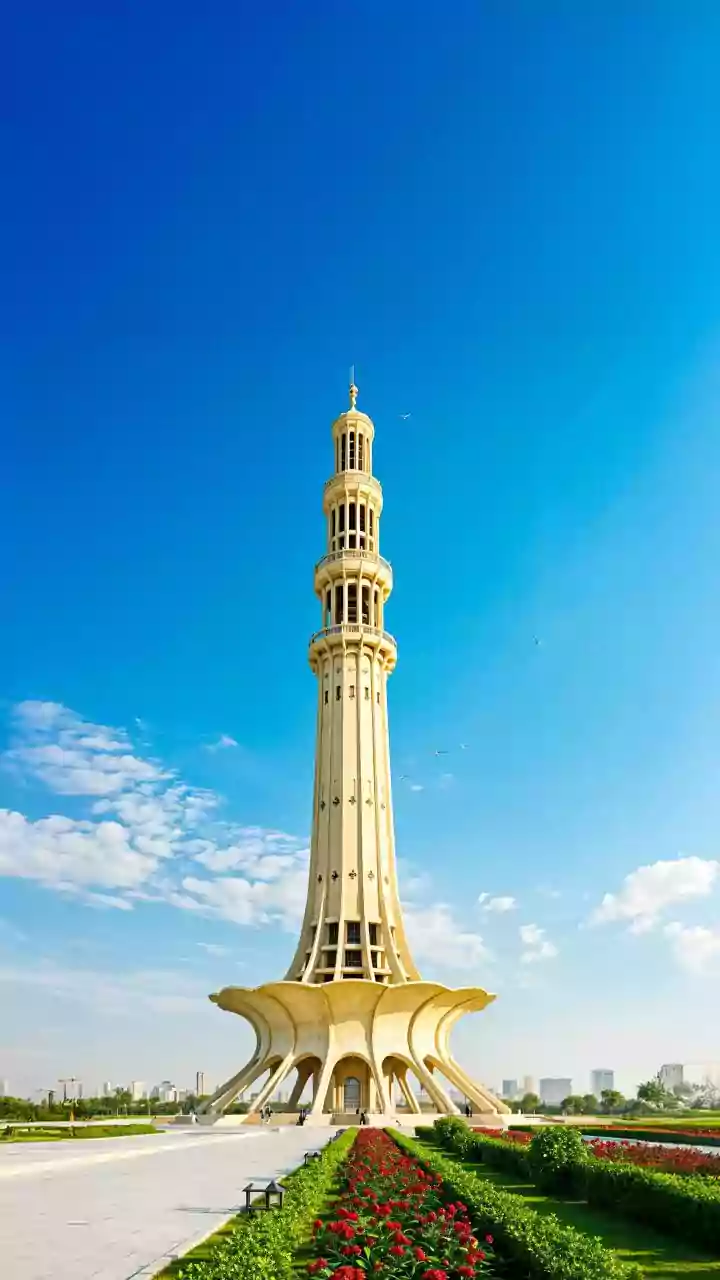





For decades, Indian tourism followed a familiar script. But a quiet revolution is underway, shifting the spotlight from mega-cities to the nation's heartland. A concerted push towards regional tourism is unlocking the potential of Tier-2 cities.
The Blueprint for a New Travel Map
The central
idea is to move beyond the saturated mainstream circuits and cultivate new tourism hubs. This strategy is driven by government initiatives like the revamped Swadesh Darshan 2.0 scheme, which focuses on developing sustainable and responsible tourism destinations. Rather than just building infrastructure, the goal is holistic development that empowers local communities and offers travelers more authentic experiences. This shift caters to a growing segment of Indian travelers who are actively seeking less crowded, culturally rich destinations. Reports indicate a significant uptick in travel bookings for Tier-2 cities, with some showing growth rates far exceeding those of major metros.
Infrastructure: Connecting the Dots
A key enabler of this transformation is the rapid development of infrastructure. The government's UDAN (Ude Desh ka Aam Nagrik) scheme has been a game-changer, improving air connectivity to dozens of smaller cities and previously underserved airports. This has drastically reduced travel time and made once-remote destinations accessible for weekend trips. The expansion isn't limited to the skies; upgraded highways and better rail connectivity are also playing a crucial role. This focus on last-mile connectivity is creating a new network of travel possibilities, allowing tourists to easily explore emerging hubs like Bhubaneswar, Nashik, Lucknow, and Madurai.
The Rise of Micro-Entrepreneurs
This tourism push isn't just about big hotels and large tour operators. A significant part of the strategy involves empowering local communities through the homestay model. Recognizing that many emerging destinations lack sufficient traditional hotel rooms, government bodies like NITI Aayog are advocating for a streamlined, uniform policy for homestays across the country. This provides a fillip to micro-entrepreneurship, allowing local families to generate income by offering authentic lodging experiences. This aligns perfectly with the evolving preferences of modern travelers, a large percentage of whom now prefer unique, homestay-style accommodations over conventional hotels.
Economic Ripples and Local Opportunities
The economic impact extends far beyond accommodation. As tourism grows in Tier-2 cities, it creates a ripple effect, generating employment for guides, taxi drivers, artisans, and restaurant owners. Schemes like Swadesh Darshan 2.0 specifically emphasize local capacity-building to ensure that the economic benefits are distributed widely within the community. By developing destinations around specific themes like eco-tourism, heritage, or spiritual circuits, the push aims to create sustainable livelihoods that are directly linked to the preservation and promotion of local culture and environment.
Navigating the Challenges of Growth
However, this rapid development is not without its challenges. A primary concern is whether the infrastructure in these smaller cities can cope with a sudden influx of tourists. Issues like waste management, strain on local resources, and the potential for over-tourism—which can dilute the very authenticity that makes these places attractive—are significant hurdles. Striking a balance between promoting tourism and preserving the local ecology and culture is critical. For this regional push to be truly successful, growth must be managed sustainably, ensuring that these emerging destinations don't repeat the mistakes of their more famous counterparts.