







A Taste of India in Zero Gravity
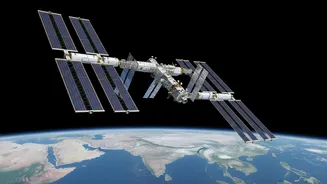
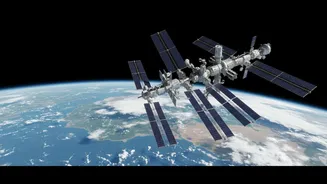
The recent Axiom-4 (Ax-4) mission, a private flight to the International Space Station (ISS), was historic for India. Onboard was Indian pilot Shubhanshu Shukla, making him the second Indian to travel to space and the very first to visit the orbiting
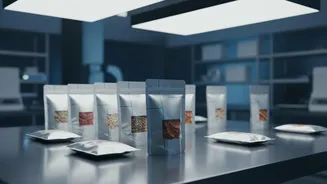
laboratory. While the mission focused on science and international collaboration, a unique highlight was found on the menu. Shukla carried specially prepared Indian delicacies, including moong dal halwa, gajar ka halwa, and kichidi. These familiar comforts were carefully selected not just for taste but for their ability to meet the stringent demands of space travel. The meals were low on oil and spice, nutritionally balanced, and packaged for consumption in a microgravity environment, where even a floating crumb can become a hazard. Sharing these meals with his international crewmates, Shukla didn't just share food; he shared a piece of Indian culture 400 kilometres above the Earth.
The Science of Space-Ready Meals
Getting food into space safely is a remarkable scientific challenge. The meals must have a long shelf life without refrigeration, remain sterile, retain their nutritional value, and be easy to handle in zero gravity. The technology behind the Ax-4 meals came from the Defence Research and Development Organisation’s (DRDO) Mysuru-based Defence Food Research Laboratory (DFRL). The key process used is known as retort packaging. In this method, food is sealed in a multi-layered flexible pouch and then heated to high temperatures under pressure. This process sterilises the food, killing any microorganisms that could cause spoilage, ensuring it remains safe to eat for months or even years. Unlike simple dehydration, retort processing allows complex dishes like halwa and kichidi to retain much of their original texture and flavour, providing a more palatable and comforting experience for astronauts on long-duration missions.
From the Battlefield to the Final Frontier
While sending Indian food to space is a newsworthy achievement, the technology itself was forged for a very different, yet equally challenging, environment: the battlefield. DFRL's primary mandate is to develop food solutions for India’s armed forces, who operate in some of the most extreme conditions on the planet, from the scorching deserts of Rajasthan to the frozen heights of the Siachen Glacier. The retort-processed Meals-Ready-to-Eat (MREs) provide soldiers with hot, nutritious, and familiar food where conventional cooking is impossible. These rations are lightweight, durable, and vital for maintaining the morale and operational effectiveness of the troops. The Axiom-4 mission, therefore, served as the ultimate field test. By proving its effectiveness in the vacuum of space, DRDO has demonstrated the robustness and reliability of a technology designed to support India’s defenders, showcasing its versatility for applications both on Earth and beyond.
A Legacy of Innovation and Future Ambitions
This is not the first time DFRL has catered to an Indian astronaut. The laboratory also supplied food for Rakesh Sharma’s historic spaceflight back in 1984, providing items like suji halwa and aloo chole. The success with the Axiom-4 mission builds on this legacy and serves as a crucial stepping stone for India's future space ambitions. The food packaging and preservation techniques validated on this flight are directly relevant to ISRO's own upcoming Gaganyaan mission, which aims to send Indian astronauts into orbit aboard an Indian spacecraft. Having a proven, homegrown solution for space-grade food is a critical component of achieving self-reliance in human spaceflight. This achievement is more than just about food; it's a validation of India's scientific ecosystem, where defence technology is being leveraged to propel the nation's journey into the cosmos, ensuring that when Indian astronauts fly, they carry the best of Indian innovation with them.