




The global economy's path to recovery is facing a major hurdle, and it's not a lack of energy, but a struggle to move it. The International Energy Agency (IEA) has issued a stark warning: critical problems in shipping and infrastructure may delay it.
A Fragile Recovery at Risk
The core of the IEA's warning is a dangerous mismatch between supply and demand. As the world bounces back from economic slowdowns, the appetite for energy is surging. However, the physical systems needed to transport that energy—from massive oil tankers to complex pipeline networks—are straining under the pressure. The agency has cautioned that geopolitical events and a history of underinvestment have created a fragile situation. IEA Executive Director Fatih Birol has stated that markets may not return to pre-crisis conditions even by 2027, urging governments and businesses to prioritise energy security. This isn't just a problem for energy traders; it's a fundamental threat to economic stability worldwide.
The Global Traffic Jam at Sea
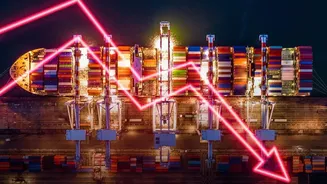
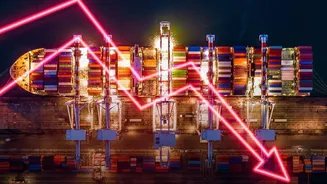
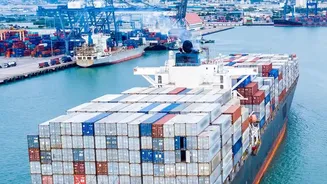
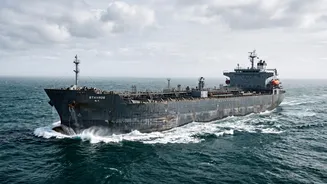
A significant part of the problem is happening on the world's oceans. The shipping industry, the backbone of global trade, is facing what amounts to a massive traffic jam. Recent geopolitical conflicts have disrupted major shipping lanes like the Strait of Hormuz and the Red Sea, forcing vessels onto longer, more expensive routes. This has led to port congestion, where ships wait for days or weeks to load and unload cargo, creating a ripple effect across the supply chain. The shortage is not just of containers, but of the specialised vessels needed to carry liquefied natural gas (LNG) and other fuels. These delays and the resulting surge in freight costs mean that even when energy is available, getting it to the consumer is becoming slower and much more expensive.
More Than Just Ships: An Infrastructure Deficit
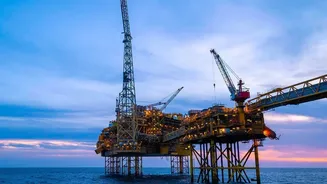
The IEA's concerns extend well beyond the high seas to the infrastructure on land. For years, investment in traditional energy infrastructure like pipelines, storage facilities, and refineries has been falling. The IEA noted that while investment in clean energy has been rising, spending on upstream oil and gas fell significantly between 2015 and 2025. This neglect is now coming home to roost. Damaged or inadequate infrastructure in key producing regions can take years to repair or upgrade, creating long-term supply disruptions. Furthermore, the infrastructure needed for the energy transition, such as modernised electricity grids and facilities to handle new fuels, is not being built fast enough to keep up with demand. The IEA points out that prices and procurement times for essential grid components like power transformers and cables have nearly doubled in recent years.
Why This Matters for India
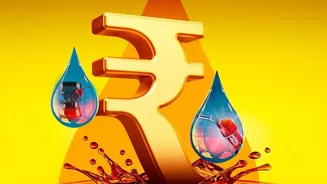
For a nation like India, which imports over 85% of its oil, these global issues have direct and immediate consequences. When global shipping costs spike or supply chains are disrupted, the price of crude oil and LNG for India rises. This inevitably translates to higher prices for petrol and diesel at the pump, affecting household budgets and the cost of transportation for goods. Furthermore, delays in shipping not only affect fossil fuels but also the components needed for India's growing renewable energy sector, such as solar panels and wind turbine parts. The IEA has highlighted that supply chains for these technologies are highly concentrated, making them vulnerable to disruption. This could slow down India's green energy transition and make the country more reliant on volatile global energy markets for longer.
No Quick Fix on the Horizon
Resolving these deep_seated issues will not be quick or easy. Building new LNG tankers or oil supertankers takes several years, and upgrading national energy grids or building new pipelines are decades_long projects. The IEA warns that the world will be dealing with the wounds of the current crisis for the foreseeable future, provided no new disruptions emerge. The agency stresses that the focus must be on building more resilient and diversified supply chains. This includes both shoring up traditional energy security and accelerating investment in the robust infrastructure required for the future energy system. Without a concerted global effort, the energy recovery could remain slow and expensive, impacting economic growth for years to come.