






The AI Boom's Hidden Energy Bill
India is in the midst of an unprecedented digital transformation, with Artificial Intelligence at its core. From streamlining business operations to powering the apps on our phones, AI is everywhere. This boom, however, runs on a physical backbone of data
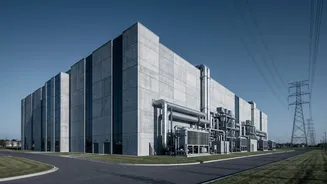
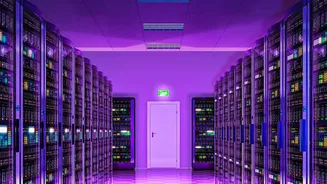
centres—vast, power-hungry facilities that are expanding at a staggering rate. India's data centre capacity has quadrupled in just six years, with projections showing it could triple again by 2029. The primary driver for this explosive growth is the intense computational demand of AI. Unlike traditional computing, AI workloads, especially training large language models, require immense processing power. An AI server rack can consume up to ten times more electricity than a standard one. This surge in energy consumption is creating a significant challenge. Estimates from India's Ministry of Power suggest that by 2031-32, data centres could demand an additional 26.3 gigawatts of electricity, nearly double earlier projections. This places immense strain on the national power grid and raises serious questions about the environmental sustainability of India's digital ambitions.
What Exactly Makes a Data Centre 'Green'?
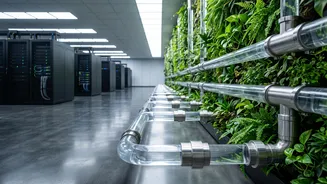
A 'green' or sustainable data centre is a facility designed to minimise its environmental impact by optimising energy and resource use. The goal isn't just about using less power; it's about being smarter with the power it uses. A key metric is Power Usage Effectiveness (PUE), which measures how much energy consumed by the facility goes directly to powering the IT equipment versus auxiliary needs like cooling and lighting. An ideal PUE is 1.0, meaning all energy is used for computing. While perfect efficiency is unattainable, modern green data centres strive for very low PUE ratios, a significant improvement from the industry averages of the past. Achieving this involves several strategies: sourcing electricity from renewable sources like solar and wind power, employing advanced energy-efficient cooling technologies like liquid cooling, and using sustainable building materials. Some facilities even integrate green roofs and walls to help cool the building naturally and reuse waste heat for other purposes. The overarching objective is to decouple digital growth from escalating energy consumption and carbon emissions.
India's Drive Towards Sustainable Digital Infrastructure
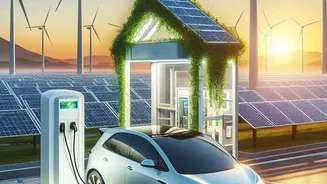
Recognising the urgency, both the government and private sector in India are taking significant steps. The government has granted 'infrastructure status' to the data centre sector, which helps in securing long-term financing, and is promoting the development of Data Center Economic Zones with access to clean power. States are also playing a crucial role. Andhra Pradesh, for instance, has mandated that new data centres in the state must source 70% of their power from green energy, a move that has already attracted commitments from global tech giants. Major corporations, including Google, Amazon, and Meta, are now among the largest corporate buyers of renewable energy in India, signing long-term power purchase agreements to fuel their expanding data centre operations. Indian operators are also innovating, with companies like CtrlS Datacenters and Nxtra by Airtel pledging to achieve carbon-neutral operations by using renewable energy and building highly efficient facilities. These efforts are crucial, as India aims to add hundreds of gigawatts of renewable energy capacity to its grid before 2030, a target that directly supports the sustainable growth of its digital economy.
Challenges on the Path to a Green Digital Future
Despite the momentum, the transition is not without hurdles. The high initial capital investment required for green technologies, such as advanced cooling systems and on-site renewable energy generation, remains a significant barrier, especially for smaller players. Furthermore, the concentrated demand for power in data centre hubs like Mumbai, Chennai, and Hyderabad can strain local electricity grids, which are still heavily reliant on fossil fuels. Ensuring a consistent, round-the-clock supply of renewable energy is another major challenge, requiring substantial investment in energy storage solutions and a more robust national grid. There is also the issue of water consumption, as many cooling systems use vast quantities of water, a critical resource in many parts of India. Successfully navigating these challenges will require a concerted effort involving favorable government policies, sustained corporate investment, and continued innovation in climate-friendly technologies to ensure India's AI-powered future is also a sustainable one.