

What Exactly is Dal Dhokli?
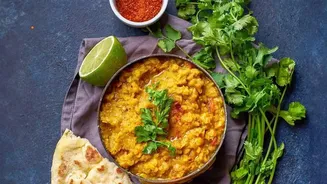
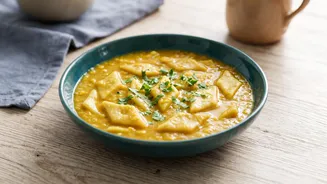
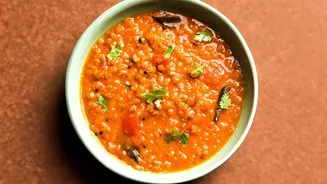
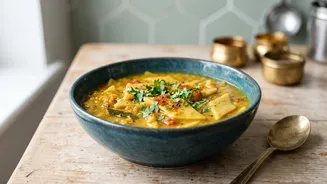
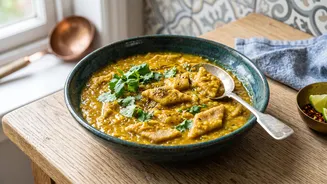
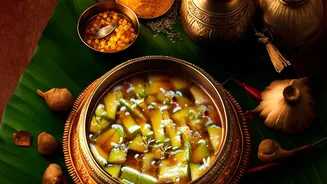
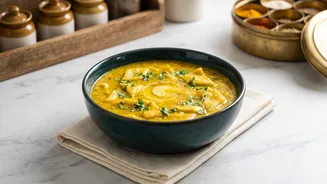
At its heart, Dal Dhokli is a brilliant culinary concept: a hearty, stew-like dish made of two key components. The first is the 'dal', a fragrant and thin lentil soup typically made from toor dal (split pigeon peas). This isn't just any dal; it's the classic
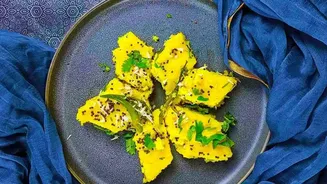
Gujarati khatti meethi (sweet and sour) dal, alive with a delicate balance of flavours. The second part is the 'dhokli', which are essentially fresh, homemade pasta dumplings. A simple dough is made from whole wheat flour (atta), sometimes with a spoonful of gram flour (besan) for a softer texture, and seasoned with spices like turmeric, red chilli powder, and ajwain (carom seeds). This dough is rolled thin and cut into diamond shapes before being simmered directly in the boiling dal until cooked through. The result is a seamless, one-pot wonder where the dumplings absorb the flavours of the surrounding lentil stew.
A Symphony of Flavour and Comfort
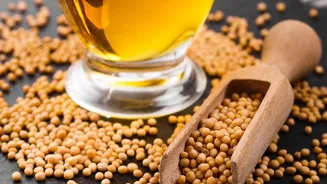
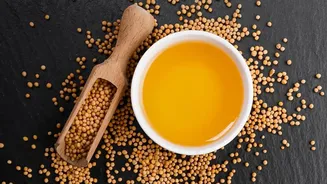
The taste of Dal Dhokli is a hallmark of Gujarati cuisine. It masterfully balances sweet, sour, and spicy notes. The sweetness typically comes from jaggery, a traditional unrefined sugar, while the tang is introduced by kokum, a sour fruit common in western India, or lemon juice. The dish is tempered with a 'vaghar' or 'tadka' of ghee or oil infused with mustard seeds, cumin seeds, asafoetida (hing), and curry leaves, which lays a deeply aromatic foundation. Ingredients like peanuts are often added, providing a pleasing textural crunch amidst the soft dal and tender dhokli. Often described as an ultimate comfort food, it's the kind of meal served to someone recovering from an illness or on a cold, rainy day, offering warmth and nourishment in every spoonful.
Born from Ingenuity and Tradition
The origins of Dal Dhokli are rooted in practicality and household wisdom. Traditionally, it was a clever way to use leftover dal from a previous meal. Instead of discarding the dal, inventive home cooks would thin it out, bring it to a boil, and add freshly made dough pieces to create an entirely new, filling dish for dinner. This practice transformed leftovers into a delicious meal, saving time and preventing food waste—a principle of thrift and ingenuity that has defined many regional Indian cuisines. While many now make it from scratch, its history as a next-day meal highlights its role as a convenient, family-friendly staple passed down through generations.
The Practical Magic: Why It Works Today
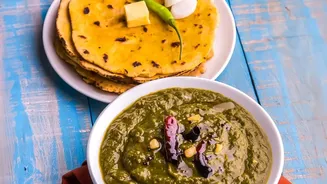
The very qualities that made Dal Dhokli a household staple in the past are what make it incredibly relevant for modern lifestyles. The headline's focus on its "practical impact" points directly to its utility in today's busy world. Firstly, it is a complete one-pot meal. There is no need to cook dal, vegetables, and rotis separately. It combines protein from the lentils and carbohydrates from the wheat dumplings in a single bowl, creating a nutritionally balanced meal. This significantly reduces both cooking time and the number of dishes to wash. For busy professionals and families, it offers a wholesome, home-cooked dinner without extensive effort. It’s a complete 'thali' in a bowl, delivering complex flavours and satisfaction with minimal fuss, making it a perfect solution for a weeknight dinner.
Variations and Making It Your Own
While this dish is quintessentially Gujarati, similar preparations exist in other states, like 'Varan Phal' in Maharashtra. Even within Gujarat, recipes vary from one family to the next. Some add vegetables like drumsticks, eggplant, or potatoes to the dal. Others stuff the dhokli with a spicy filling or add fresh fenugreek leaves (methi) to the dough for extra flavour and nutrition. This adaptability is part of its charm. Whether you prefer it spicier, sweeter, or packed with more vegetables, Dal Dhokli invites personalisation. It’s less a rigid recipe and more a culinary template that can be adjusted to suit personal taste and whatever ingredients you have on hand, much like how it was originally conceived.