

The Sunshine Vitamin Paradox
Vitamin D is crucial for absorbing calcium, ensuring strong bones, and supporting muscle and immune function. While our bodies can produce it when exposed to sunlight, a modern indoor lifestyle, atmospheric pollution, and darker skin tones (which synthesise
Vitamin D more slowly) mean that many Indians don't get enough. Studies show a staggering prevalence of deficiency, ranging from 70% to as high as 100% in some population groups, making it a significant public health concern. This widespread issue highlights the need to focus on dietary intake to meet our daily requirements.
Natural Sources in Your Kitchen
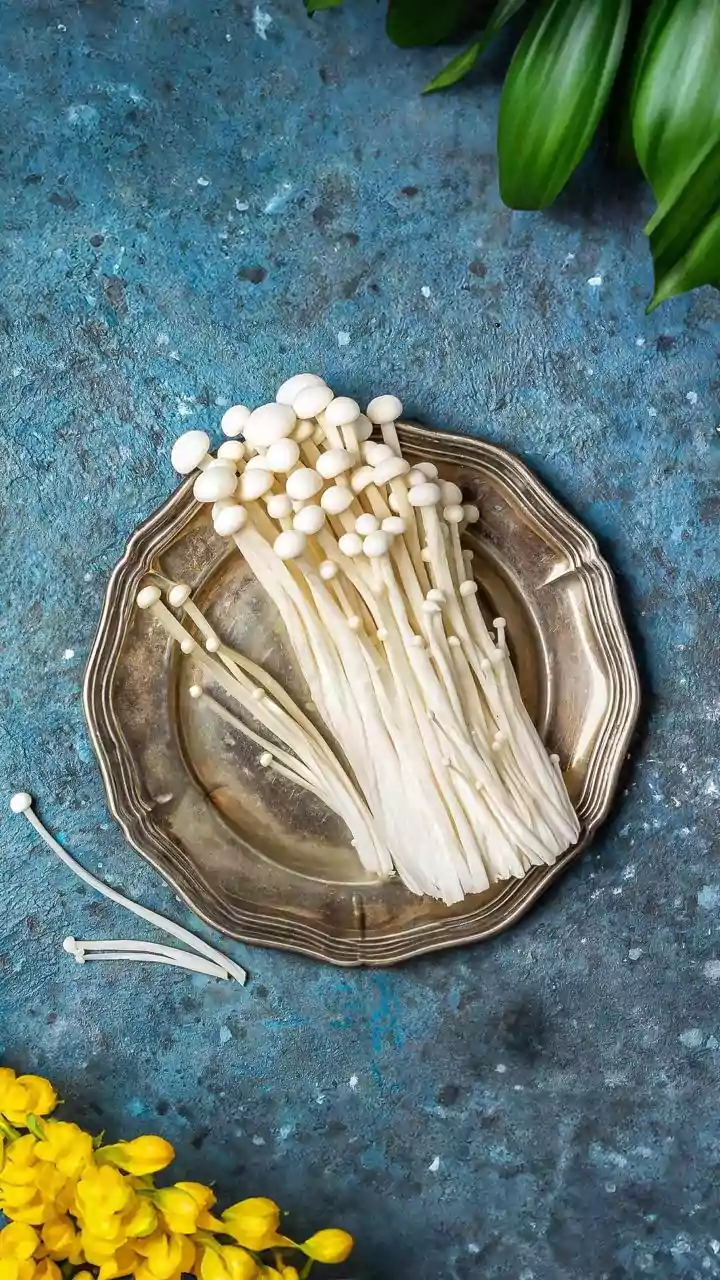
Finding Vitamin D in natural, everyday foods can be challenging, as very few items are rich in it. For non-vegetarians, fatty fish are the best source. Species like Hilsa (Ilish), mackerel (Bangda), and sardines (Mathi) are excellent choices. Egg yolks also provide a small but useful amount. For vegetarians, the options are even more limited. Mushrooms are one of the few plant-based sources, but only if they have been exposed to UV light, which is not standard for most commercially sold varieties. Given these limitations, it is difficult for most people, especially vegetarians, to get the recommended 600 IU (15 mcg) per day from natural foods alone.
The Power of Fortified Foods
This is where food fortification comes in. Fortification is the process of deliberately adding essential micronutrients, like Vitamin D, to staple foods to improve their nutritional value without changing their taste or texture. Recognising the high rates of deficiency, the Food Safety and Standards Authority of India (FSSAI) has encouraged the fortification of common food items. This strategy is considered one of the most cost-effective and sustainable ways to combat 'hidden hunger' on a large scale, as it reaches a broad population through everyday groceries.
Your Guide to Fortified Products
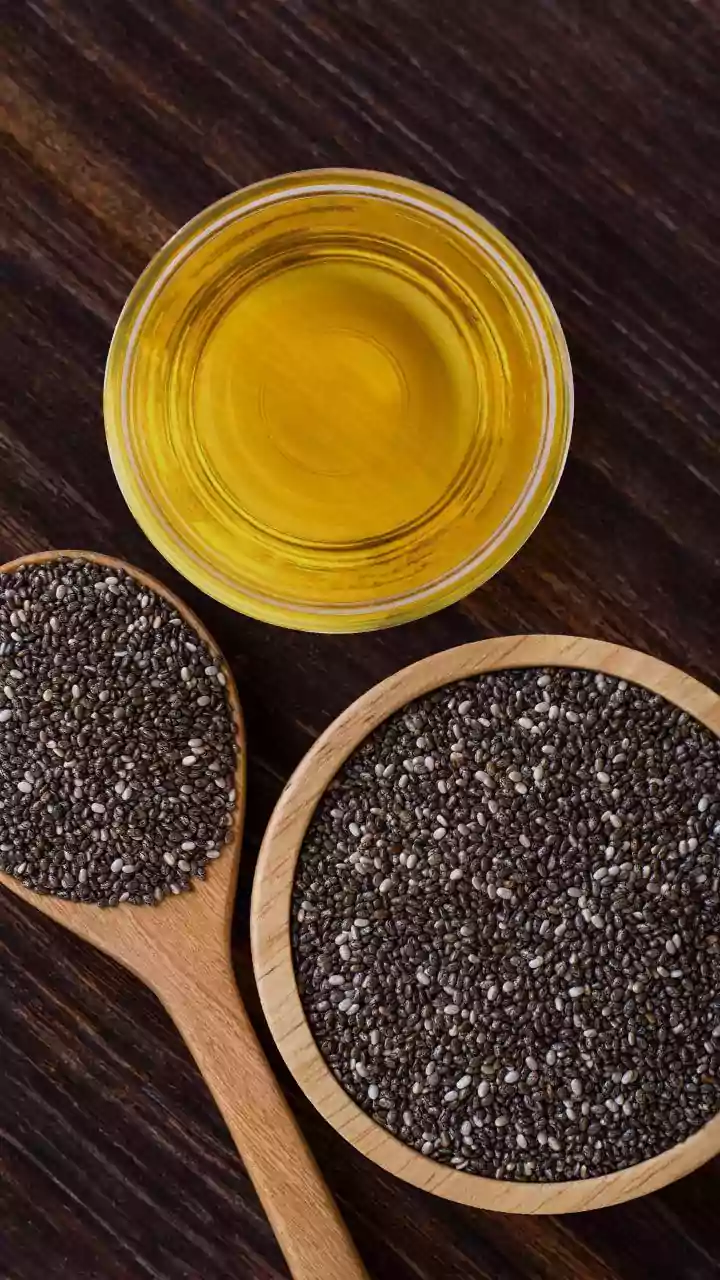
In an Indian supermarket, you can find a growing range of products fortified with Vitamin D. The most common ones include milk (both cow's milk and plant-based alternatives like soy or almond milk), edible oils, and some breakfast cereals. Fortified milk and oils are particularly significant as they are staples in most Indian households. Checking the packaging is key, as not all brands or products within a category are fortified. By consciously choosing these enriched products, you can easily integrate more Vitamin D into your daily meals, from your morning chai or coffee to the oil used for cooking your sabzi.
How to Read the Nutrition Label
Identifying fortified foods is simple once you know what to look for. The first and easiest sign is the FSSAI's +F logo, a blue circle with a plus sign, which signifies that the food is fortified according to government standards. If the logo isn't present, turn the package over to the nutrition information panel. Scan the list of vitamins and minerals for Vitamin D. The amount is usually listed in micrograms (mcg) or International Units (IU) per serving or per 100g. Remember that 1 mcg is equal to 40 IU. This simple habit of checking the label can empower you to make more informed choices and take control of your nutritional intake.