





Why We Need Folate and Vitamin K
Before we declare a winner, it’s important to understand why these vitamins are so essential. Folate, also known as vitamin B9, is a powerhouse for cellular health. It plays a critical role in forming DNA and RNA, which are the building blocks of our
cells, and is vital for producing healthy red blood cells. Its importance is especially highlighted during pregnancy, as adequate intake helps prevent major birth defects of the brain and spine. The recommended daily amount for most adults is around 400 micrograms (mcg). Vitamin K, on the other hand, is the body’s expert in blood clotting and bone health. The primary type found in leafy greens like spinach is Vitamin K1. It helps produce proteins necessary for coagulation, preventing excessive bleeding. Furthermore, it assists in binding calcium to our bones, making them stronger and more resilient. For adults, the daily need is typically around 90-120 mcg, and a single spinach leaf can contain over half of your daily requirement.
The Folate Face-Off: Spinach vs. Carrots
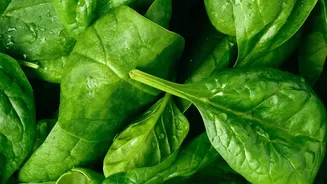
When it comes to folate, the winner is clear and decisive. Spinach is a significantly richer source of this crucial B vitamin than carrots. A half-cup of cooked spinach provides about 131 mcg of folate, which is roughly a third of an adult's daily needs. By contrast, carrots offer a much smaller amount. While they are celebrated for other nutrients, their folate content is not a primary feature. Spinach’s abundance of folate makes it a go-to food for supporting cellular function and is particularly recommended for those who are or may become pregnant.
The Vitamin K Clash: A Landslide Victory
If the folate competition was a win for spinach, the vitamin K battle is an absolute knockout. Spinach is one of the most potent dietary sources of vitamin K available. A single cup of raw spinach delivers more than 100% of the daily recommended value, with some sources stating the coverage is over 400% more than what carrots provide. Cooked spinach is even more concentrated. Carrots do contain some vitamin K, which contributes to bone health, but the amount is minimal compared to the leafy green giant. For anyone looking to boost their vitamin K intake for blood clotting or bone density, spinach is unequivocally the superior choice.
Does Cooking Change the Nutritional Score?
How you prepare your vegetables can significantly alter their nutritional value. Folate, being a water-soluble B vitamin, is sensitive to heat and can leach into cooking water. Boiling spinach, for example, can lead to a notable loss of its folate content. To preserve this nutrient, it's better to opt for cooking methods like steaming or microwaving, which have been shown to cause no significant folate decrease. You can also consume spinach raw in salads to get its full folate power. Vitamin K is a fat-soluble vitamin, which makes it much more stable during cooking. While some loss can occur with very high heat, it generally holds up well across methods like steaming, roasting, and sautéing. In fact, because cooking breaks down the tough cell walls of vegetables, it can sometimes make nutrients more accessible for your body to absorb.
The Verdict: A Champion and a Contender
Based purely on folate and vitamin K content, spinach is the hands-down winner. It delivers vastly superior amounts of both nutrients compared to carrots. A half-cup of cooked spinach is a nutritional powerhouse, contributing significantly to your daily goals for folate, vitamin K, iron, and magnesium. However, this doesn't mean you should push carrots off your plate. Carrots have their own unique superpower: beta-carotene. This antioxidant, which the body converts into Vitamin A, is essential for vision health, immune function, and fighting cellular damage. Carrots are one of the richest sources of beta-carotene, a category where they easily outperform spinach. Ultimately, the goal isn't to pick one vegetable and discard the other. A truly healthy diet thrives on variety. While spinach takes the crown for folate and vitamin K, carrots offer indispensable benefits for vitamin A. Think of them not as rivals, but as a dynamic duo for your overall health.