

The UN Report's Sobering Findings
The 2026 State of Food Security and Nutrition in the World (SOFI) report, backed by five UN agencies, presents a mixed picture for India. On one hand, the country has made significant strides, reducing its undernourished population by about 42% over the last
two decades. This success is largely attributed to robust public distribution systems that ensure access to staple grains like rice and wheat. However, the report also sounds an alarm on a different kind of food crisis: the affordability of nutrition. The issue is shifting from simply having enough calories to having the right kind of calories.
The High Cost of Eating Healthy in India
According to the SOFI report, an estimated 520 million people in India—more than one in three—could not afford a healthy diet in 2025. The cost of a nutritious diet, rich in fruits, vegetables, pulses, and lean proteins, was calculated at about $4.11 per person per day. This price point makes it an impossible daily expense for a vast portion of the population. While India produces an abundance of milk, pulses, and produce, factors like supply chain costs, inflation, and income constraints keep these nutrient-dense foods off the plates of many households.
Embrace Traditional Wisdom and Millets
The notion that healthy eating requires expensive, imported superfoods like quinoa and avocados is a myth. India's traditional food systems are built on ingredients that are both affordable and incredibly nutritious. The key is to look locally. Millets, for instance, such as jowar, bajra, and ragi, are nutritional powerhouses that often cost less than refined wheat flour. Swapping daily rotis from wheat to millet flour can significantly boost fibre and micronutrient intake without straining your budget. These ancient grains are not only good for you but also more resilient to climate change, making them a smart choice for the future.
Focus on Pulses and Seasonal Produce
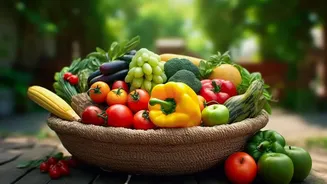
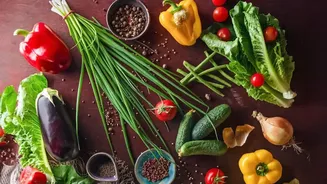
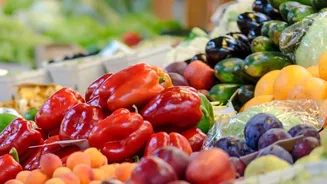
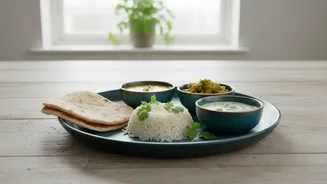
For a country with a large vegetarian population, pulses are the cornerstone of protein intake. Lentils (dals), chickpeas (chana), and beans are some of the most cost-effective sources of protein available. A simple meal of dal and rice provides a complete protein profile. To further diversify your diet, focus on seasonal vegetables and fruits from your local mandi or farmers' market. When produce is in season, it is not only cheaper and fresher but also at its nutritional peak. Think leafy greens like spinach and methi in the winter and gourds in the summer—all are packed with vitamins and minerals at a low cost.
Plan, Prep, and Reduce Waste
One of the most effective strategies for eating healthy on a budget has little to do with what you buy and everything to do with how you use it. Planning your meals for the week helps you create a focused shopping list and avoid impulse buys of processed snacks. Cooking in larger batches can save both time and money; for example, a large pot of dal can be used for several meals or repurposed into paratha fillings. Furthermore, limiting processed and ready-to-eat meals, which are often high in salt, sugar, and unhealthy fats, is crucial. A home-cooked meal is almost always cheaper and more nutritious than its packaged counterpart.