



The Price of Gold
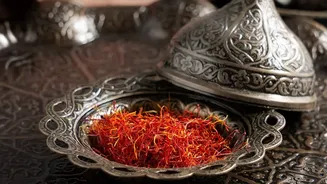
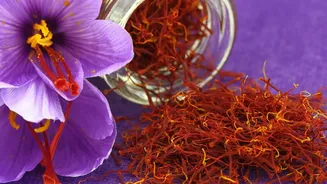
First, let's address why saffron carries such a hefty price tag. The spice consists of the three tiny, crimson stigmas at the center of the Crocus sativus flower. Each flower produces only three of these threads, and they must be harvested by hand during
a very short blooming season. It can take up to 75,000 flowers to produce a single pound of saffron, a testament to the incredibly labor-intensive process. This delicate and demanding harvest is the primary reason for its cost, making every single thread a valuable commodity you don't want to waste.
The Risk of Too Much
With such a precious ingredient, it might seem logical to be generous to ensure its flavor shines through. However, this is where many cooks go wrong. Unlike other spices, more saffron is definitively not better. Using too much will not create a more intensely floral and aromatic dish; instead, it will make it unpleasantly bitter and medicinal. The goal is a subtle, luxurious warmth and a beautiful golden hue, not an overpowering metallic taste. Restraint is the key to unlocking saffron's magic; overuse is the fastest way to ruin both the dish and your investment.
The Science of Saffron's Flavor
The delicate balance of saffron's flavor profile comes from a few key chemical compounds. Crocin is responsible for its vibrant, golden color. Safranal provides the characteristic earthy, hay-like aroma. And picrocrocin is the source of its complex, slightly bitter taste. When used in the right amount, picrocrocin provides a pleasant, sophisticated depth. However, when you add too many threads, you overload the dish with this bitter compound, completely overwhelming the delicate safranal aroma and creating a harsh flavor.
How to Bloom Saffron Perfectly
To get the most color and flavor out of your saffron, you need to 'bloom' it before adding it to your dish. Simply tossing the dry threads into your ingredients is a common mistake that wastes their potential. The process is simple: gently crush a pinch of saffron threads with your fingers or a mortar and pestle. Place the crushed threads in a small bowl and pour over two to three tablespoons of warm (not boiling) liquid, such as water, milk, or broth from your recipe. Let it steep for at least 15-20 minutes. The liquid will turn a deep golden color, and this infusion—liquid and threads—is what you'll add to your cooking for even distribution of color and flavor.
Defining a 'Pinch'
So, how much is the right amount? A 'pinch' is the most common measurement, which practically translates to about 15 to 20 threads. This small quantity, typically weighing less than 0.1 grams, is usually sufficient to flavor and color a dish that serves four to six people, whether it's a risotto, a paella, or a rice pilaf. For a single cup of tea, just five to eight threads are plenty. This efficiency is what makes saffron so remarkable; a single gram, which may contain hundreds of threads, can last for dozens of meals when used correctly.