





The Familiar Favourite: Coffee
Coffee needs no introduction. It's the world’s most popular psychoactive beverage and a cornerstone of morning routines and social gatherings across India. From the traditional filter coffee of the south to the bustling cafés in metro cities, its role
is deeply cultural. The appeal is simple: it delivers a quick, powerful energy boost that sharpens focus and gets you ready for the day. Coffee is also rich in antioxidants, particularly chlorogenic acids, and studies have linked moderate consumption to various long-term health benefits, including a reduced risk of certain diseases. However, for some, the rapid caffeine spike can lead to jitters, anxiety, and the dreaded afternoon crash.
The Green Challenger: What is Matcha?
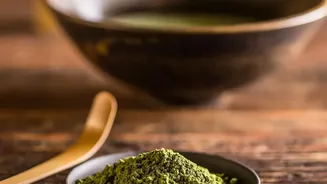
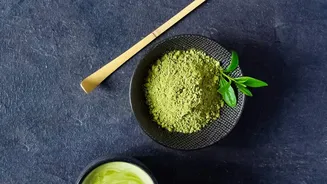
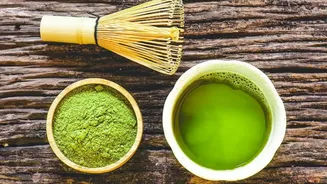
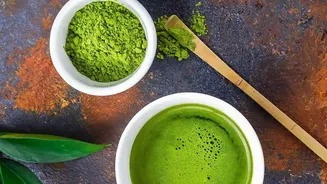
Matcha isn't just another green tea. It comes from the same Camellia sinensis plant, but its cultivation and preparation are unique. Tea plants destined to become matcha are shade-grown for several weeks before harvest. This process boosts their chlorophyll and amino acid content, giving matcha its brilliant green colour and distinct flavour. After harvesting, the leaves are steamed, dried, and ground into a fine powder. When you drink matcha, you are consuming the entire tea leaf, not just an infusion. This means you get a much more concentrated dose of the nutrients and antioxidants present in the leaves. Recent Google Trends data shows a massive spike in Indians searching for 'how to make matcha' and 'matcha health', signalling a shift from mere curiosity to active adoption.
The Caffeine Kick: A Tale of Two Energies
This is where the two drinks differ most. A standard cup of coffee generally contains more caffeine than a typical serving of matcha (around 95 mg vs. 70 mg, though amounts vary). But it’s not about the quantity; it’s about the quality of the energy. Coffee provides a fast-acting jolt as caffeine is quickly absorbed, leading to a sharp peak in alertness followed by a potential crash. Matcha, on the other hand, provides a 'calm-alert' state. This is thanks to an amino acid called L-theanine, which is abundant in shade-grown tea. L-theanine slows the body's absorption of caffeine, resulting in a gentler, more sustained energy boost that can last four to six hours without the jitters or crash. This unique synergy is why many people who switch to matcha report feeling focused yet relaxed.
The Health Equation: Antioxidants and More
Both coffee and matcha are packed with health-promoting antioxidants, but they offer different kinds. Coffee is rich in chlorogenic acids, while matcha's power comes from catechins, especially epigallocatechin gallate (EGCG). Because you consume the whole leaf, matcha delivers a significantly higher concentration of these antioxidants than even regular steeped green tea. EGCG has been studied for its anti-inflammatory properties and potential to boost metabolism. Matcha also offers benefits for gut health, as it is less acidic than coffee and can be gentler on the stomach. While coffee has well-documented benefits for heart health, studies show green tea consumption offers similar protective effects. Ultimately, both are healthy choices in moderation.
Taste, Ritual, and The Indian Palate
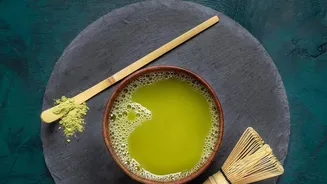
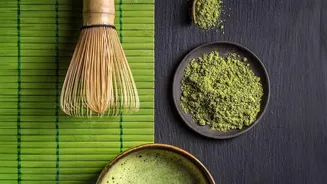
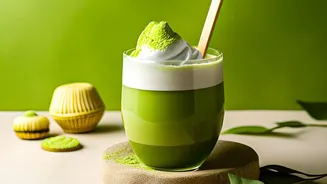
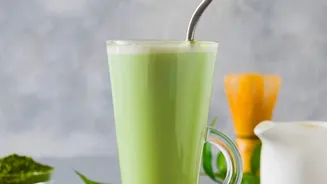
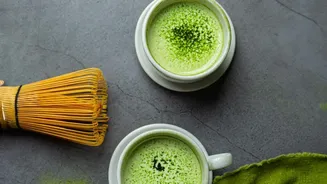
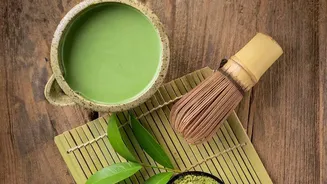
The taste profiles are worlds apart. Coffee offers a wide spectrum of flavours, from bitter and acidic to nutty and roasted. Matcha has a complex taste that is often described as earthy, vegetal, and slightly sweet with a savoury 'umami' finish. The preparation is also a distinct experience. While coffee can be brewed in countless ways, the traditional matcha ritual involves sifting the powder and whisking it with hot water into a frothy beverage. In India, matcha's versatility is driving its appeal. Cafés and home experimenters are adapting it to local tastes, creating everything from mango matcha lattes and coconut matcha to 'dirty matcha' (a mix of matcha and espresso), proving that the green drink is finding its own unique space in the Indian beverage landscape.