




Shinjuku Gyoen National Garden, Tokyo
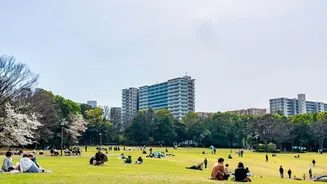
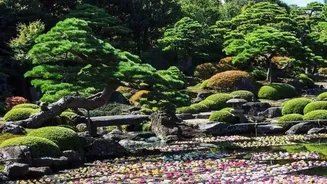
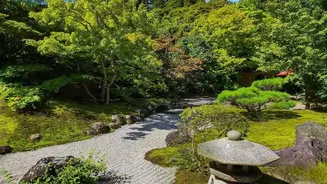
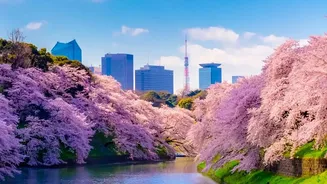
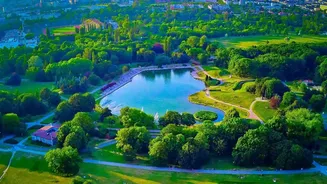
Once an imperial estate, Shinjuku Gyoen is now one of Tokyo's most beloved and spacious parks. What makes it a must-see is its unique blend of three distinct garden styles: a traditional Japanese landscape with teahouses and ponds, a formal French garden with symmetrical
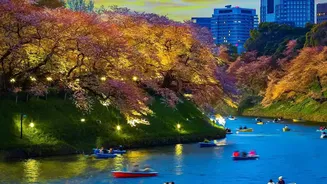
flowerbeds, and a sweeping English landscape garden with wide-open lawns. This variety ensures a picturesque scene no matter when you visit. The park is especially famous for its cherry blossoms, boasting over a thousand trees of various species that create an extended blooming season from late March to early April. For a quieter experience during the popular hanami (flower viewing) season, enter through the Sendagaya Gate and explore the southern end near the ponds. Autumn is equally stunning, as hundreds of maple trees paint the landscape in fiery reds and golds.
Yoyogi Park, Tokyo
Adjacent to the famous Meiji Shrine and the vibrant Harajuku district, Yoyogi Park offers a lively, cultural counterpoint to the city's more tranquil gardens. It's a vast, free-to-enter space known for its energetic atmosphere, especially on Sundays. Here, you'll see everything from rockabilly dancers and street performers to cosplay enthusiasts and families enjoying picnics on the expansive lawns. While it has beautiful cherry blossoms and a forest of golden ginkgo trees in the fall, the real picturesque quality of Yoyogi lies in its people. It's a dynamic hub of Tokyo subcultures and community life, making it the perfect place to relax, people-watch, and feel the city's pulse. For a first-time visitor, it provides an unforgettable snapshot of modern Japanese social life set against a backdrop of lush greenery.
Arashiyama Bamboo Grove, Kyoto
Located in the Arashiyama district on the western outskirts of Kyoto, this is less of a conventional park and more of a breathtaking natural wonder. A walking path cuts through a dense forest of towering bamboo stalks, creating an otherworldly experience as sunlight filters through the green canopy. The sound of the wind rustling the bamboo leaves is so iconic that Japan's Ministry of the Environment has designated it as one of the "100 Soundscapes of Japan." For the most photogenic and peaceful experience, arriving early in the morning before the crowds descend is essential. The path is open 24/7 and is free to enter. The grove is part of a larger scenic area that includes the beautiful Tenryu-ji Temple and the Katsura River, making it a cornerstone of any visit to historic Kyoto.
Nara Park, Nara
Just a short train ride from Kyoto or Osaka, Nara Park offers a truly unique experience where nature, history, and wildlife coexist. The park is home to over a thousand wild sika deer that roam freely among ancient temples and pristine forests. Considered messengers of the gods in the Shinto religion, the deer are surprisingly tame and have become a symbol of the city. Visitors can purchase special crackers (shika-senbei) to feed them, and many deer have even learned to bow to request a treat. Beyond the famous deer, the park itself is vast and beautiful, encompassing the grounds of UNESCO World Heritage sites like Todai-ji Temple, which houses a giant bronze Buddha, and the serene Kasuga Taisha Shrine. The combination of sacred deer, ancient history, and sprawling nature makes Nara Park an unforgettable day trip.
Kenrokuen Garden, Kanazawa
Justifiably celebrated as one of Japan's "three most beautiful landscape gardens," Kenrokuen in Kanazawa is the pinnacle of traditional garden design. Its name translates to "Garden of the Six Sublimities," referring to the six essential attributes of a perfect garden: spaciousness, seclusion, artifice, antiquity, abundant water, and broad views. Developed over centuries by the powerful Maeda clan, the garden features a masterful composition of ponds, streams, waterfalls, bridges, teahouses, and meticulously sculpted trees. Key highlights include the iconic Kotojitoro Lantern with its two distinct legs, Japan's oldest fountain powered by natural water pressure, and the magnificent Karasaki Pine, which is protected in winter by intricate rope structures called yukitsuri. Kenrokuen offers a different, perfectly framed vista at every turn, making it a living masterpiece of landscape art.