

Go Beyond the Light
Every plant parent starts by learning about light. A south-facing window offers intense, direct sun perfect for cacti, while a north-facing window provides the gentle, indirect light that ferns adore. This is a crucial first step, but it's far from the only
one. Many new plant owners purchase a plant for a bright spot, only to find it struggling for other reasons. The most important factors for keeping a plant happy include light, water, humidity, temperature, and soil. Thinking about all these elements before you buy will save you from future heartache and help you build a flourishing indoor jungle.
Assess Your Watering Habits
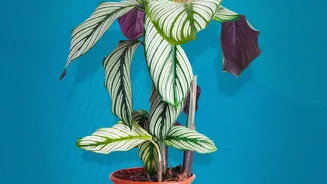
Be honest with yourself: are you an attentive waterer or more of a set-it-and-forget-it type? Overwatering is one of the most common ways people accidentally kill their houseplants. Many assume that soil should always be damp, but most plants prefer their soil to dry out between waterings. If you love to nurture, a thirsty fern or calathea that needs consistently moist soil might be a great fit. If you're busy or forgetful, you'll have much more success with a drought-tolerant snake plant or ZZ plant, which thrive on neglect and only need water every few weeks. Instead of a rigid schedule, get in the habit of checking the soil. Stick your finger about an inch deep; if it feels dry, it's time to water.
Consider Your Home's Humidity
The moisture level in your air, or humidity, is an invisible factor that dramatically affects many popular houseplants. Most homes have a humidity level of around 40-50%, but many tropical plants originate from rainforests and crave levels closer to 60% or higher. If you have your heart set on a humidity-loving plant like an orchid or a prayer plant, be prepared to provide it. You can group plants together to create a more humid microclimate, place them on a pebble tray with water, or use a humidifier. Bathrooms and kitchens are naturally more humid spots. On the other hand, succulents and cacti prefer dry air and will be perfectly happy in the average living room.
Plan for the Plant's Future Size
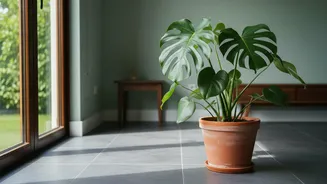
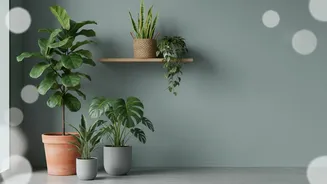
That adorable little fiddle leaf fig in the store has big ambitions. Many people buy a small plant without considering its mature size, only to find it taking over their living room a few years later. Before you purchase, do a quick search for the plant's potential height and spread. If you're working with a small space, look for compact varieties or slow-growing species. A massive Monstera might overwhelm a tiny apartment, but it could be a stunning statement piece in a large, open-plan room. Remember that larger plants also have different care needs; they require bigger pots, more soil, and a more robust support structure as they grow. Pruning can help manage size, but it's best to start with a plant that's realistically proportioned for your home.
Evaluate Your Lifestyle
Finally, think about your daily life. Do you have pets or small children? Many common houseplants, including lilies, philodendrons, and pothos, are toxic if ingested, so it's vital to choose pet-safe and child-safe options like a spider plant or a prayer plant. Do you travel frequently? If so, a high-maintenance plant that needs daily attention is not a good match. The goal is to find a plant that fits seamlessly into your life, bringing you joy rather than stress. By being realistic about your environment and the level of care you can provide, you set both yourself and your new plant up for a long and happy life together.