




Understanding the Core: More Than Just Abs
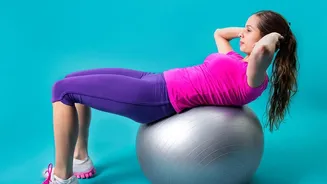
Before choosing a workout, it's crucial to understand what the 'core' really is. It’s not just the six-pack muscles (rectus abdominis) you see. Your core is a complex system of muscles that wraps around your entire trunk, including your deep abdominal
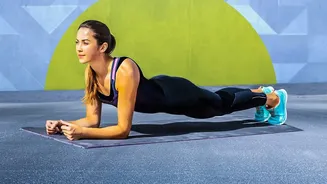
muscles, obliques (side muscles), lower back, and glutes. A strong core acts as a stable central link for your body, supporting your spine, improving balance, and making everyday movements like bending or lifting easier and safer. It’s the foundation for almost all physical activity.
The Pilates Approach: Precision and Control
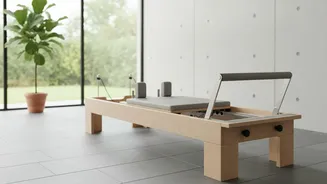
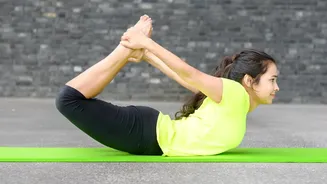
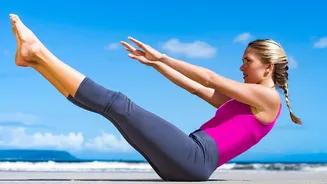
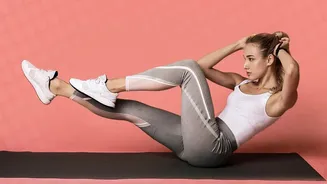
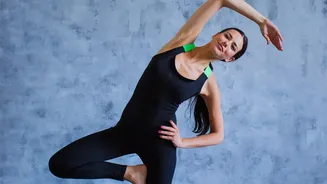
Pilates is a low-impact form of exercise that focuses on controlled movements, proper breathing, and body awareness. Its primary target is the 'powerhouse'—the deep, stabilising muscles of the core, like the transverse abdominis. This method builds strength from the inside out. Through precise, deliberate exercises, Pilates improves core stability, posture, and flexibility. Because it's gentle on the joints, it's an excellent choice for those recovering from injury, beginners, or anyone looking to build foundational strength without high impact.
The Circuit Workout Approach: Power and Intensity
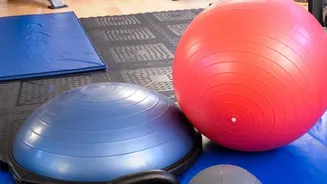
Dynamic circuit workouts are on the other end of the intensity spectrum. This style of training involves performing a series of exercises in quick succession with minimal rest in between. It combines strength training and cardiovascular exercise, keeping your heart rate elevated. For your core, this means engaging it through functional, high-energy movements like kettlebell swings, burpees, or medicine ball slams. This approach is highly effective for burning calories, improving cardiovascular health, and building overall muscle tone while challenging your core in a very active, athletic way.
Your Fitness Goals: The Deciding Factor
The best workout for you depends entirely on what you want to achieve. If your goal is to improve posture, alleviate back pain, or build deep foundational stability, the precise and controlled nature of Pilates is ideal. It excels at developing body awareness and strengthening the muscles that support your spine. However, if your primary goals are fat loss, cardiovascular fitness, and visible muscle definition, the high-intensity calorie burn of a dynamic circuit workout is likely a more efficient path. Circuit training is designed for high energy expenditure and building overall strength that contributes to a 'toned' look.
Personality, Preference, and Practicality
Think about what kind of environment you thrive in. Do you prefer a calm, focused session where you can connect with your body and breath? Pilates offers a more mindful experience. Or do you need high energy, loud music, and a fast-paced environment to stay motivated? Circuit training delivers that intensity. Also, consider your current fitness level. Pilates is highly adaptable and can be a gentle entry point into fitness. While circuit training can also be modified, its high-intensity nature can be demanding for absolute beginners.
The Best of Both Worlds: Why Not Combine Them?
Ultimately, you don't have to choose just one. Pilates and dynamic circuit workouts complement each other perfectly. Pilates can build the deep core strength, stability, and mobility that will make your circuit training safer and more effective. A strong, stable core from Pilates practice allows you to perform dynamic movements with better form and reduced risk of injury. A well-rounded weekly routine might include two days of circuit training for cardio and overall strength, and one or two days of Pilates to focus on core control, flexibility, and recovery.