






Fatty Fish for Omega-3s
Fatty fish like salmon, mackerel, and sardines are celebrated for their high content of omega-3 fatty acids. These compounds are potent anti-inflammatory agents. Research shows that omega-3s can help reduce the production of inflammatory molecules in the body,
which are often the culprits behind joint pain and stiffness. Regular consumption may not only alleviate discomfort but also help protect cartilage, the flexible tissue that cushions your joints. Studies suggest that including at least two servings of fatty fish in your weekly diet can make a noticeable difference in managing symptoms associated with both osteoarthritis and rheumatoid arthritis.
The Golden Spice: Turmeric
A staple in Indian kitchens, turmeric contains a powerful compound called curcumin. This is what gives the spice its vibrant yellow colour and, more importantly, its anti-inflammatory properties. Multiple studies have highlighted curcumin's ability to ease pain from osteoarthritis, with some research suggesting it can be as effective as certain anti-inflammatory drugs but with fewer side effects. Curcumin works by blocking inflammatory pathways in the body. For better absorption, it's often recommended to consume turmeric with black pepper, which contains piperine, a substance that significantly enhances curcumin's availability to the body.
Berries and Dark Leafy Greens
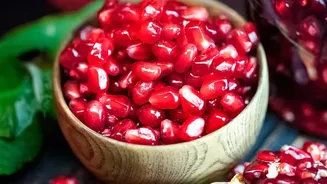
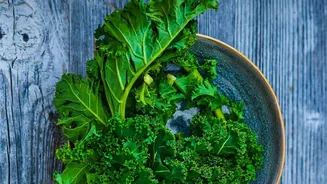
Colourful fruits and vegetables are your allies in fighting inflammation. Berries like strawberries, blueberries, and raspberries are packed with antioxidants called anthocyanins, which have been shown to reduce inflammation. Similarly, dark leafy greens such as spinach and kale are rich in antioxidants and vitamin K. Some research suggests vitamin K is important for cartilage health and may help by preventing it from hardening. Including a variety of these foods helps protect your joints from the oxidative stress that can contribute to tissue damage over time.
Nuts and Seeds
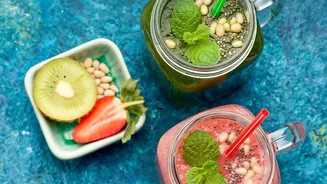
Nuts and seeds are small but mighty sources of healthy fats, antioxidants, and minerals that support joint health. Walnuts, in particular, are high in omega-3 fatty acids, which help reduce the inflammation common in joint diseases. Almonds, flaxseeds, and chia seeds are also nutritional powerhouses, providing a combination of healthy fats and fibre. These nutrients work together to decrease inflammatory markers in the blood. A handful of mixed nuts or a spoonful of seeds in your yoghurt or smoothie can be an easy and effective way to boost your intake.
Lean Proteins and Legumes
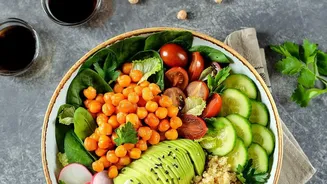
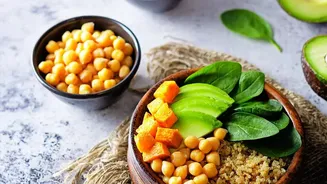
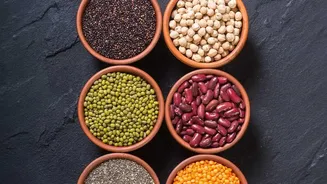
Protein is essential for tissue growth and repair, which is vital for maintaining strong muscles that support your joints. Lean protein sources include chicken, eggs, and dairy. Plant-based options like beans, lentils, and chickpeas are also excellent choices. Legumes are packed with fibre, protein, and essential minerals, and they contain antioxidants that can help lower C-reactive protein (CRP), a key inflammatory marker in the blood. A diet rich in varied protein sources helps ensure your body has the building blocks it needs for recovery and strength.
Green Tea and Olive Oil
Making simple swaps in your daily routine can also have a big impact. Green tea is rich in polyphenols, antioxidants that can reduce inflammation and slow cartilage destruction. Extra virgin olive oil is another key component of an anti-inflammatory diet. It contains compounds that can reduce joint swelling and has been shown to be beneficial for overall joint health, in contrast to other oils like sunflower and vegetable oil, which may increase inflammation. Using olive oil for cooking or as a salad dressing is a simple change that supports your joints.