





More Than Just a Road
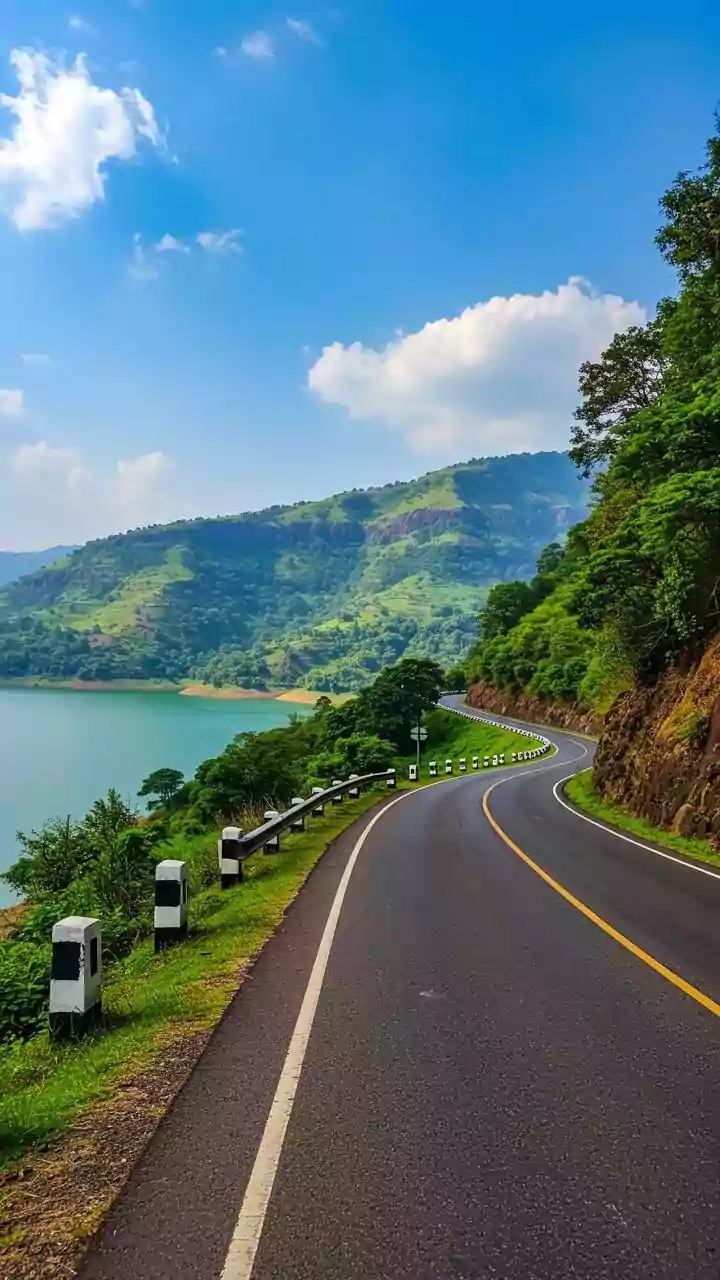
The idea of a 'tourism corridor' or 'circuit' goes far beyond simply building a new highway. It represents a fundamental shift in how tourism is being developed. Instead of focusing on isolated destinations, the government is creating integrated, theme-based
travel routes that connect multiple locations. This approach is part of the Swadesh Darshan scheme, a major initiative launched by the Ministry of Tourism to develop India's tourism potential in a planned manner. The goal is to create a complete ecosystem around these circuits, including not just better roads but also improved amenities like signage, accommodation, tourist information centres, and last-mile connectivity to ensure a smooth and enriching experience for travellers from start to finish.
The Vision of Swadesh Darshan
Launched in 2014-15, the Swadesh Darshan scheme initially identified 15 themes to guide the development of these circuits. These themes cover a wide range of interests, including spiritual, heritage, eco-tourism, coastal, Himalayan, and Buddhist circuits, among others. The first phase of the scheme sanctioned 76 projects across the country, laying the groundwork for this integrated approach. Now, the initiative has evolved into Swadesh Darshan 2.0, which adopts a more 'destination-centric' model. This new phase aims to develop sustainable and responsible tourism destinations, with an emphasis on creating jobs for local communities and enhancing the contribution of tourism to local economies.
Connecting India's Heritage and Nature
These developing corridors are already making multi-stop trips more practical. For instance, the Delhi-Mumbai Expressway is creating a heritage and wildlife corridor that links destinations like Jaipur, Ranthambore, and Sariska. Similarly, the Samruddhi Mahamarg connects the pilgrimage site of Shirdi with the historical wonders of the Ajanta and Ellora caves. Other major projects like the Char Dham Mahamarg in Uttarakhand and the upcoming Shaktipeeth Expressway are set to create further multi-destination religious itineraries. The impact is also being felt in rail travel, with the expansion of the Vande Bharat network strengthening connectivity to key pilgrimage and heritage sites like Varanasi, Ayodhya, Tirupati, and Khajuraho.
What This Means for Your Next Trip
For the average traveller, these corridors mean greater convenience and the opportunity to explore more of India with less hassle. Instead of planning multiple separate trips to visit related sites, you can now embark on a single, cohesive journey. Imagine a coastal trip that seamlessly takes you through the best beaches and coastal towns of several states, or a Himalayan adventure that connects different mountain destinations with reliable infrastructure. This approach also helps in promoting lesser-known attractions that lie along these popular routes, encouraging travellers to venture beyond the usual tourist spots. By improving facilities and ensuring a consistent quality of experience, these corridors make travel more accessible and enjoyable for families, solo explorers, and international visitors alike.
A Boost for Local Economies and Hidden Gems
The development of tourism corridors is not just about making travel easier; it's a strategic move to unlock the economic potential of tourism across the country. By drawing visitors to new and developing regions, the initiative aims to create jobs, encourage entrepreneurship among local communities, and promote local arts and culture. This focus on community-based development ensures that the benefits of tourism are distributed more widely. As infrastructure improves in these areas, it also attracts private sector investment in hotels, restaurants, and other tourism-related businesses, creating a vibrant and sustainable local economy. This ultimately helps preserve the nation's cultural and natural resources by providing a strong economic incentive for their protection.