




The Science Behind Barley and Blood Sugar
Barley stands out in the world of grains for its exceptionally low glycemic index (GI), with some studies noting it as the lowest among all grains. A food's GI score measures how quickly it raises blood glucose levels. Barley's low score means it is digested
and absorbed slowly, leading to a more gradual, steady rise in blood sugar rather than a sharp spike. This makes it an excellent choice for individuals with diabetes or anyone focused on metabolic health. The secret to barley's power lies in its high concentration of a specific soluble fiber called beta-glucan. This fiber forms a gel-like substance in the digestive tract, which slows down the absorption of carbohydrates and sugar, contributing to improved blood sugar control and insulin sensitivity.
Hulled vs. Pearl Barley: Which to Choose?
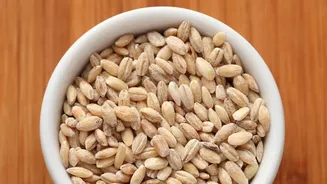
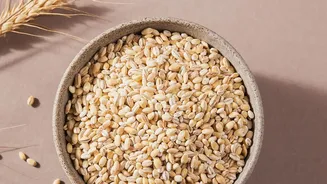
When you're at the grocery store, you'll likely see two main types of barley: hulled and pearl. Hulled barley is the whole-grain version, with only the tough, inedible outer husk removed. This means it retains its bran and germ, offering the maximum amount of fiber, vitamins, and minerals. Pearl barley has been polished, or 'pearled,' to remove the bran layer, resulting in a less chewy texture and a quicker cooking time. While pearl barley still contains beneficial beta-glucans and has a low GI, hulled barley is the superior choice for blood sugar management due to its higher overall fiber content. If you have the time for its longer cooking process (about 45-60 minutes), hulled barley offers the most significant health benefits.
How to Cook Barley for Breakfast
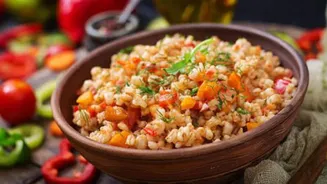
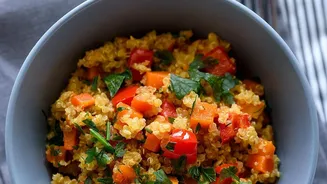
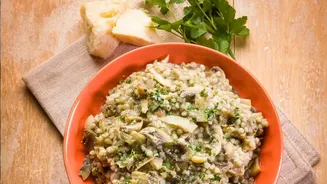
Cooking barley for breakfast is simple and perfect for meal prepping. You can make a large batch at the start of the week to have ready for quick morning meals. For pearl barley, the ratio is typically one part barley to three parts water or other liquid. Simply bring the liquid to a boil, add the barley, then reduce the heat, cover, and simmer for about 25 to 40 minutes, or until the grains are tender and have absorbed most of the liquid. For hulled barley, the process is similar, but it will require more time, often closer to an hour. Once cooked, the barley will have a pleasantly chewy texture, ready to serve as a warm porridge or a cool base for a breakfast bowl.
Building a Balanced Breakfast Bowl
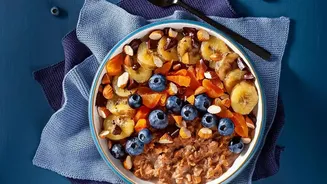
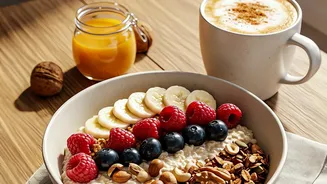
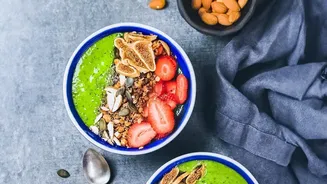
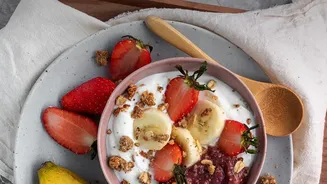
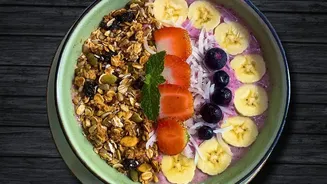
A blood-sugar-friendly meal is all about balance. Once you have your cooked barley base, focus on adding protein, healthy fats, and other nutrient-dense toppings. This combination further slows digestion and helps keep you feeling full and energized all morning. For protein, consider stirring in Greek yogurt, cottage cheese, or a scoop of protein powder. Healthy fats can come from a sprinkle of chia seeds, flax seeds, walnuts, or almonds. For natural sweetness and extra nutrients without a sugar overload, top your bowl with low-glycemic fruits like berries, or add warming spices like cinnamon and nutmeg, which can also support stable blood sugar.
Important Considerations for Meal Planning
While barley is a fantastic tool for blood sugar management, portion control remains essential. A standard serving is typically around half a cup to one cup of cooked barley. Also, be mindful of your toppings. Avoid sweetened yogurts, excessive amounts of high-sugar fruits like bananas or mangoes, and sugary additions like maple syrup or honey. Opt for unsweetened additions to keep the overall glycemic load of your meal low. Finally, it's important to note that barley contains gluten, so it is not suitable for individuals with celiac disease or a non-celiac gluten sensitivity.