





The Price of Paradise
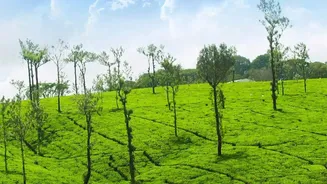
For decades, tourism has been a cornerstone of Kerala's economy, contributing significantly to the state's GDP and creating countless jobs. From the rolling tea gardens of Munnar to the serene backwaters of Alleppey, the state’s natural beauty has attracted
millions of domestic and international travellers. However, this popularity has come at a cost. Overtourism in popular spots has led to environmental strain, including pollution in fragile ecosystems like Vembanad Lake, improper waste disposal, and pressure on natural resources. The unregulated growth of houseboats, for instance, has raised concerns about water pollution and safety, threatening the very ecosystems that draw tourists in the first place. Recognizing these challenges, the state has shifted its focus from purely promotional efforts to a more sustainable, long-term vision.
A Mission for Responsibility
At the heart of Kerala’s new strategy is the Responsible Tourism (RT) Mission, a pioneering initiative launched to ensure that tourism benefits local communities and preserves the environment. This model is built on three pillars: social, economic, and environmental responsibility. The goal is to move away from mass tourism and foster a more inclusive approach where local communities are active participants, not just passive bystanders. The mission focuses on creating linkages between the tourism industry and local producers, ensuring that revenue from tourism flows back into the community by promoting local handicrafts, cuisine, and homestays. It represents a fundamental shift in thinking: making Kerala a better place for its residents is the key to making it a better place for visitors.
Greening the Tourist Trail
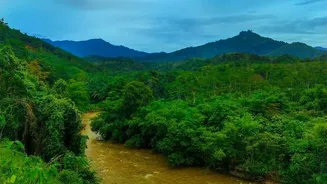
To tackle the environmental impact of tourism, Kerala is implementing a range of green initiatives. A major focus is reducing waste, particularly plastics, with the mantra of "reduce, reuse, and recycle" being actively promoted in tourism policies. The state is encouraging hotels and resorts to adopt green-certified practices and promoting the restoration of existing buildings over new constructions to minimize the carbon footprint. In the famous backwaters, efforts are underway to regulate houseboats, ensuring they adhere to strict waste disposal standards to prevent pollution. Furthermore, the government has launched carrying-capacity studies for ecologically sensitive hill stations like Wayanad and Idukki to assess and mitigate the environmental impact of high tourist footfall. These measures are designed to protect the state's biodiversity and ensure its natural attractions remain pristine for future generations.
Putting People and Communities First
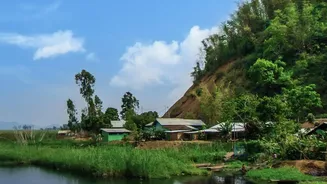
A unique aspect of Kerala's model is its emphasis on community empowerment and inclusivity. The RT Mission actively involves local self-governments and residents in planning and decision-making processes. Initiatives like the 'STREET' (Sustainable, Tangible, Responsible, Experiential, Ethnic Tourism) project are creating new tourism experiences rooted in villages, allowing travellers to engage with local life, culture, and traditions. By developing community-based tourism hubs, the state is creating employment opportunities and ensuring that economic benefits are widely distributed. The plan also champions gender equality, working with partners like UN Women to create safe and inclusive destinations for both female hosts and travellers. This people-centric approach not only enriches the visitor experience but also turns local communities into proud stewards of their cultural and natural heritage.
Navigating the Challenges Ahead
Despite its ambitious plans, Kerala faces significant hurdles. Consistent enforcement of environmental regulations, especially among the thousands of tourism operators, remains a major challenge. Preventing 'greenwashing'—where sustainability is used as a mere marketing tactic—requires constant vigilance and transparent certification processes. Furthermore, the sheer volume of tourists continues to test the infrastructure of popular destinations, highlighting the urgent need for the carrying-capacity studies to be completed and acted upon. The government's recent budget has reinforced its commitment by granting formal industry status to the tourism sector, which will provide more benefits and support for sustainable practices. Building a truly sustainable model requires a long-term commitment from the government, the tourism industry, and tourists themselves to prioritize preservation over profit.