

Karnataka’s Khara Bath: Soft and Spicy
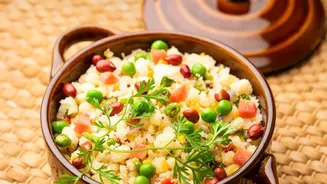
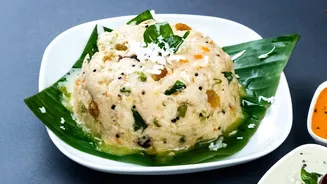
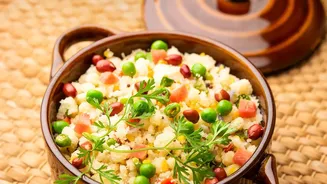
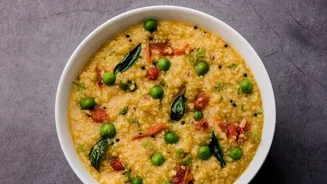
In Karnataka, what many call upma is famously known as Khara Bath. The texture is its defining feature: incredibly soft, moist, and almost melt-in-your-mouth. This is achieved by using a generous ratio of water to semolina (rava) and often finishing with
a dollop of ghee. What sets it apart in flavour is the addition of a specific spice blend, often Vangi Bath or Bisi Bele Bath powder, which gives it a complex, aromatic, and distinctly spicy kick that a standard upma lacks. Loaded with vegetables like carrots, beans, and tomatoes, Khara Bath is a complete meal. The proper roasting of the rava is crucial to prevent stickiness and achieve that signature fluffy-yet-soft consistency. Served piping hot, often alongside a sweet Kesari Bath in a combo called 'Chow Chow Bath', it’s a true icon of Kannada tiffin culture.
Tamil Nadu’s Rava Upma: Fluffy and Classic
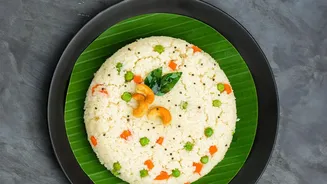
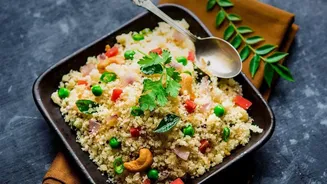
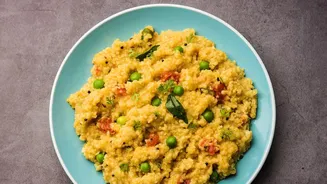
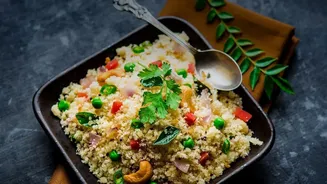
The classic Rava Upma found in Tamil Nadu is a masterclass in simplicity and texture. The goal here is a light, fluffy, and non-sticky dish where each grain of semolina is distinct. The secret lies in dry-roasting the rava until it's aromatic and lightly toasted before it's cooked. This crucial step ensures the upma doesn’t become lumpy or pasty. The flavour profile is subtle, built on a simple tempering (tadka) of mustard seeds, urad dal, and chana dal, which add a delightful crunch. Curry leaves and green chillies provide aroma and a mild heat. While some versions include onions and a few vegetables, many purists prefer it plain to let the texture of the roasted rava shine. It’s often served with a side of coconut chutney or a sprinkle of sugar for a sweet and savoury contrast.
Maharashtra’s Sanja: Savoury and Tangy
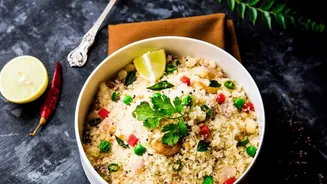
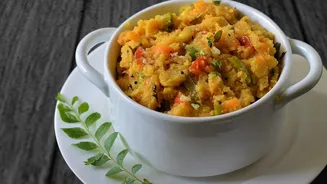
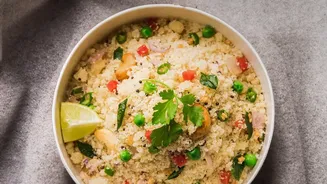
Travel to Maharashtra, and you'll find Sanja, a close cousin to upma with a distinct personality. It has a bright yellow hue from turmeric and a unique, gentle tang, which often comes from being cooked in buttermilk instead of just water. The texture of Sanja is typically softer and looser than a fluffy Tamil Rava Upma. The tempering is also different, usually featuring mustard seeds, cumin seeds, and peanuts, which add a signature crunch. While South Indian upma often includes lentils in its tempering, Sanja's flavour profile is built more around onions, green chillies, and sometimes a hint of sugar to balance the tang. Garnished with fresh coconut and coriander, Sanja is a comforting, savoury porridge that highlights the rustic and flavourful nature of Maharashtrian home cooking.
Kerala’s Godhuma Upma: Chewy and Hearty
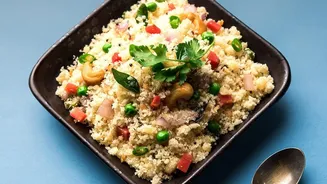
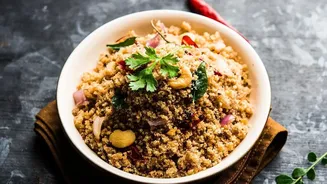
In Kerala, a popular and healthy variation is made with broken wheat (Godhuma Nurukku) instead of semolina. This swap completely changes the texture, resulting in a much heartier, chewyer, and more fibrous dish. Because broken wheat consists of larger, tougher grains, the upma has a more substantial bite and a nutty flavour that sets it apart from the softer rava versions. The preparation often includes classic Kerala ingredients like grated coconut, which adds a subtle sweetness and richness, along with the standard tempering of mustard seeds and curry leaves. Sometimes cooked in a pressure cooker to soften the grains, this wholesome upma is incredibly filling and is considered a nutritious way to start the day. It's a perfect example of how swapping one core ingredient can create a completely new culinary experience.
Tamil Nadu’s Arisi Upma: Coarse and Crumbly
For a truly different texture, look no further than Arisi Upma, another gem from Tamil Nadu. This version isn't made with semolina but with coarse, broken raw rice, often pounded together with toor dal and black peppercorns. The result is a much firmer, crumbly, and grainier texture that is completely distinct from the porridge-like consistency of rava upma. Each spoonful has a satisfying, coarse bite. The flavour is earthy and peppery, traditionally enhanced by cooking it in a bronze pot (vengala paanai), which imparts a unique taste and creates a coveted crispy layer at the bottom. This gluten-free upma is often served with a sharp tamarind-based gravy like Vathakuzhambu or a simple coconut chutney, making for a rustic and deeply traditional meal.