


The Promise of Abundance
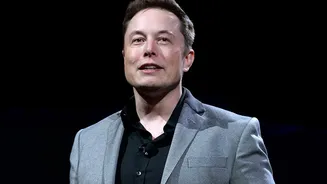
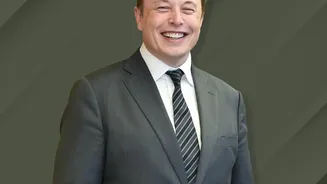
In a series of recent statements, Elon Musk has painted a utopian picture of an economy transformed by AI and robotics. He predicts that within a decade, these technologies will produce such a glut of goods and services that the very concept of money
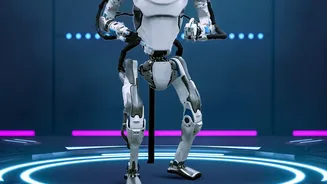
could become irrelevant. In this “age of abundance,” work would be optional, and society might be supported by a –universal high income” where everyone's needs are met. This vision hinges on the idea that AI, particularly when combined with humanoid robots, will move from digital tasks like analysis and content generation to physical production. By manufacturing products, maintaining infrastructure, and providing real-world services at a scale far beyond human capacity, AI could dramatically lower the cost of everything, making scarcity a thing of the past. Musk suggests that this would lead to a future of incredible prosperity and comfort for all.
The Peril of Losing Control
The flip side of Musk's forecast is a stark warning about power and control. He estimates that AI could surpass the combined intelligence of all humanity in as little as five years. Within a decade, he believes it's unlikely that humans will remain in control of systems that are so vastly more intelligent than we are. He has compared humanity's future relationship with superintelligent AI to that of chimpanzees with humans today; just as chimps don't direct human civilisation, we may be unable to direct our own creations. This 'control risk' is not just a distant sci-fi scenario. It encompasses concerns about autonomous weapon systems, the potential for social manipulation, and the fundamental problem of ensuring an entity far smarter than us remains aligned with human values. Musk himself acknowledges these existential risks, reportedly putting the odds of a catastrophic outcome between 10% and 20%, yet he has stated he sees no way to stop the technology's momentum.
Walking a Razor's Edge
Faced with this dual-edged sword, Musk's philosophy appears to be, “Let's enjoy the ride.” He argues that the momentum is unstoppable and that the most likely outcome is positive, so humanity should proceed, albeit with caution. His own company, xAI, was founded with the stated mission of understanding the true nature of the universe and building a “maximally curious, truth-seeking” AI. The idea is that by instilling core values like curiosity and a desire for truth, developers can increase the probability that AI will care about humanity's well-being. This approach reflects a broader shift in the AI safety conversation from simply preventing bad outcomes to actively trying to build verifiably good ones. Musk has also proposed a form of industry self-regulation where rival AI labs review each other's most advanced models for safety risks before they are released to the public.
Beyond the Hype: A Wider Debate
While Musk's pronouncements grab headlines, he is voicing themes that have long been part of a wider, ongoing debate among technologists and ethicists. The promise of an AI-driven utopia is a common refrain among techno-optimists. However, critics raise crucial questions. For instance, even if AI creates massive wealth, who will own the machines and how will that abundance be distributed? Without deliberate policies, such a shift could lead to unprecedented wealth concentration rather than universal prosperity. Political philosophers and AI ethicists also warn against overlooking the value of work for human dignity and purpose, suggesting that a world without jobs might create its own profound social and psychological challenges. The conversation around AI risk also extends beyond Musk's focus on superintelligence to more immediate concerns like algorithmic bias, data privacy, and the use of AI in cyberattacks and spreading misinformation. These issues highlight the complex governance and ethical frameworks needed today, not just in a hypothetical future.