






The Heart and Kidneys of Your Pool
Think of your pool’s circulation system as a body. The pump is the heart, tirelessly pushing water through the system, while the filter acts as the kidneys, removing impurities, dirt, and debris. Water is pulled from the pool through skimmers and the main
drain, sent through the pump, pushed through the filter, and then returned to the pool as clean, fresh water. When the filter gets clogged, the entire system is strained. The pump has to work harder to force water through, reducing flow and leading to poor circulation. This not only diminishes water quality but can also cause costly damage to your pool equipment over time.
Signs Your Filter Needs Cleaning
Your pool will give you several clear signals when it's time for a filter cleaning. The most reliable indicator is the pressure gauge on your filter tank. After a cleaning, take note of the normal operating pressure. When the gauge reads 8-10 PSI (pounds per square inch) above that normal level, it's time to clean. Other tell-tale signs include noticeably weaker water flow from the return jets, persistent cloudy water even after adding chemicals, and a rapid buildup of debris. If you find yourself cleaning more frequently than usual, it might be a sign that the filter media itself is worn out and needs a deeper clean or replacement.
First Stop: The Pump and Skimmer Baskets
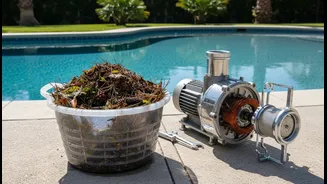
Before you even touch the main filter, start with the first line of defense: the skimmer baskets and the pump basket. These are designed to catch larger debris like leaves, twigs, and insects before they reach and clog the main filter system. Cleaning them is simple. Turn off the pump, close the necessary valves, and empty the contents of each basket. A quick rinse with a hose is usually all that’s needed. Performing this check weekly can significantly reduce the load on your main filter, extending the time between major cleanings.
Cleaning a Cartridge Filter
Cartridge filters are popular for their ease of maintenance. To clean one, turn off the pump and release any air pressure in the tank. Once drained, open the housing and remove the cartridge. Use a garden hose with a spray nozzle to carefully wash between the pleats, working from top to bottom. Avoid using a high-pressure washer, as it can damage the filter material. For greasy buildup from sunscreens and oils, you may need to soak the cartridge in a filter cleaning solution. Depending on pool usage, this should be done every 2 to 6 weeks.
Maintaining Sand and D.E. Filters
Sand and Diatomaceous Earth (D.E.) filters are cleaned through a process called backwashing, which reverses the flow of water to flush out trapped contaminants. To backwash, turn off the pump and set the multiport valve to the 'Backwash' position. Turn the pump back on and let it run until the water in the sight glass runs clear, usually for a few minutes. Then, turn the pump off again and set the valve to 'Rinse' for about 30 seconds to resettle the filter media before returning to the 'Filter' setting. This should typically be done every 1 to 2 months for sand filters and monthly for D.E. filters. After backwashing a D.E. filter, you must add new D.E. powder through the skimmer to recoat the filter grids.
The Importance of Periodic Deep Cleans
While backwashing and rinsing are great for routine maintenance, both sand and D.E. filters benefit from a deeper chemical clean at least once a year, typically when opening or closing the pool. This process involves using a specialized filter cleaner to break down stubborn oils and mineral deposits that regular backwashing can't remove. Over time, sand in a sand filter can become less effective and should be replaced every 3-5 years. Likewise, the grids of a D.E. filter should be removed and thoroughly cleaned annually to ensure they are free of tears and buildup. These deeper cleans restore your filter to peak efficiency.