

More Than Just Heat: Why Method Matters
Cooking is a transformative process. It not only makes food safe and digestible but also changes its nutritional profile. The duration of cooking, the temperature, and whether you use water or oil all play a crucial role in what ends up on your plate.
Some methods preserve the delicate, water-soluble vitamins like C and B-vitamins, while others can destroy them. Conversely, some cooking techniques can make certain nutrients, like lycopene in tomatoes, more available for your body to absorb. Understanding these differences allows you to make simple swaps that can significantly boost the health benefits of your home-cooked meals without sacrificing flavour.
Gentle Heroes: Steaming and Poaching
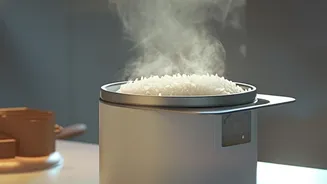
When nutrient retention is the top priority, gentle, water-based methods are your best bet. Steaming is widely considered one of the healthiest cooking techniques. Because the food isn't submerged in water, it retains more of its heat-sensitive and water-soluble vitamins. Poaching, which involves simmering food in liquid just below boiling point, is another excellent, low-fat option. While some nutrients can leach into the cooking liquid during boiling, you can minimise this loss by using as little water as possible and consuming the liquid, for instance, by turning it into a soup or sauce.
The Dry Heat Balance: Roasting and Baking
Roasting and baking use the dry, hot air of an oven to cook food. These methods are great because they generally require little to no added fat, which helps keep calorie counts down. While nutrient loss for most vitamins is relatively minimal with this method, some B vitamins can be diminished during the process. However, high-temperature dry cooking, which creates that delicious browning effect, can also lead to the formation of compounds called Advanced Glycation End Products (AGEs). While your body can handle small amounts, high levels of dietary AGEs have been linked to inflammation and oxidative stress.
The Grill Debate: Flavour vs. Risk
Grilling imparts a smoky flavour that’s hard to beat and allows fat to drip away from the meat. However, cooking meat at very high temperatures can create potentially harmful chemicals. When fat drips onto the heat source, the resulting flames can coat food in polycyclic aromatic hydrocarbons (PAHs). Additionally, the intense heat can cause reactions in the muscle tissue of meat, forming heterocyclic amines (HCAs). To grill more safely, cook at lower temperatures or over indirect heat, choose leaner cuts of meat, marinate your food in acidic liquids like citrus juice or vinegar, and always trim off any charred bits before eating.
Frying and Sautéing: It's All in the Technique
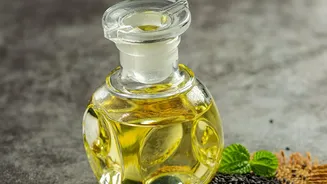
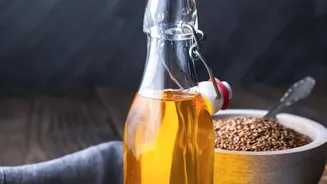
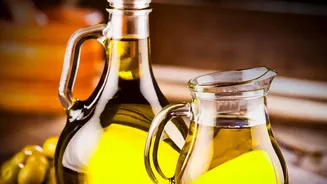
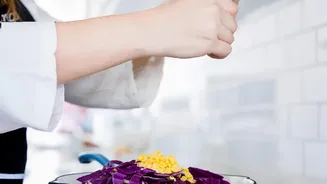
Frying often gets a bad rap, and for good reason when it comes to deep-frying, which adds a significant amount of fat and calories and can destroy nutrients. However, healthier frying methods like stir-frying and sautéing use a small amount of oil for a short period. This quick cooking time helps preserve nutrients like B vitamins, and the presence of some fat can actually help your body absorb fat-soluble vitamins (A, D, E, and K) and other plant compounds. The key is to use a healthy oil with a suitable smoke point and avoid excessively high heat.
Modern Methods: Microwaving and Pressure Cooking
Modern kitchen appliances offer some of the best options for nutrient preservation. Due to its very short cooking times and minimal water usage, microwaving is one of the best methods for retaining nutrients, especially delicate vitamins. Similarly, pressure cooking is excellent at preserving nutrients because it cooks food extremely quickly, even though it uses high pressure. One study showed that pressure-cooked broccoli retained over 90% of its vitamin C, compared to just 66% for boiled broccoli. These methods are fast, efficient, and surprisingly effective at delivering a highly nutritious meal.