









A 'Watershed Moment' for Wealth
The recent Initial Public Offering (IPO) for SpaceX was more than just a successful stock market debut; it was a massive liquidity event that turned thousands of employees and early investors into millionaires overnight. The record-setting $85.7 billion
IPO generated unprecedented fortunes, creating a new class of ultra-high-net-worth individuals almost instantly. This sudden influx of cash into the pockets of tech insiders is having significant ripple effects across the luxury sector, and nowhere is this more apparent than in private aviation. Industry leaders have called the event a "watershed moment" that is accelerating spending on private travel among a new, younger demographic.
From Stock Options to Jet Streams
For years, many long-term SpaceX employees held valuable stock options and restricted stock units (RSUs) that were valuable on paper but couldn't be easily converted to cash. An IPO changes that. It provides the liquidity event needed to turn those equity grants into tangible wealth. While insiders are often subject to lock-up periods that prevent them from selling all their shares immediately, the promise of near-certain wealth has prompted many to start spending. Aviation lawyers and charter companies report a massive spike in inquiries and purchase agreements from tech-sector clients, including many first-time private flyers, following the SpaceX IPO. This pattern is a classic one: major wealth-creation events, from the dot-com boom to today's AI and space-tech windfalls, historically translate into higher demand for private jets.
The New Face of the Private Jet Owner
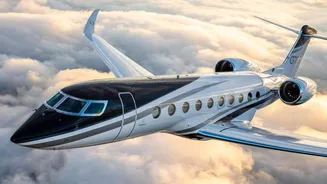
The tech boom is not just increasing the number of private flyers; it's changing who they are. The average age of a private jet owner has dropped by a decade, with some new buyers now in their twenties. This generational shift is fueled by a new wave of self-made, first-generation wealth from tech IPOs. These younger buyers are often skipping the traditional entry points of chartering flights or buying fractional ownership. Instead, they are jumping directly into purchasing their own multimillion-dollar aircraft. This has led to a surge in business for firms specializing in aircraft acquisitions, with some reporting a 25% jump in business this year alone.
A Tailwind for the Aviation Industry
The impact on the private aviation market has been dramatic and measurable. In the first five months of 2026, flights through shared ownership programs climbed 11.8% globally, while flights by private owners rose 13.4%. The effect is particularly pronounced near SpaceX's operational hubs. For example, business jet traffic around Brownsville, Texas, skyrocketed by 177% during the company's IPO window. Jet management companies are reporting year-to-date growth of up to 60%, with Texas showing exceptional strength. This demand is putting pressure on the industry, with some CEOs warning that if demand continues to outpace the production of new aircraft, the market could face a jet shortage.