

Khichuri: The Great Unifier
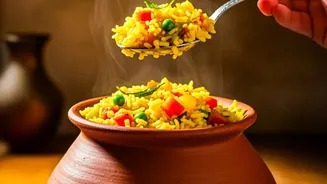
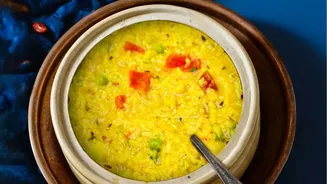
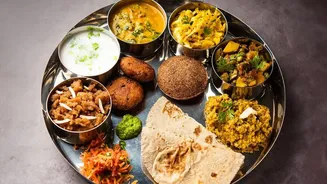
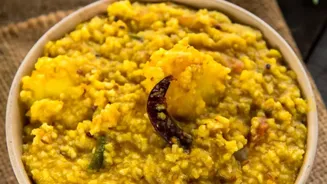
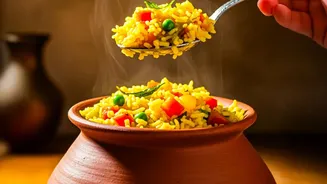
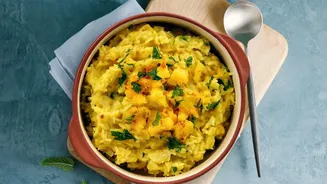
At the centre of any Durga Puja pandal feast is the Bhoger Khichuri, a seemingly simple dish with profound meaning. This aromatic blend of rice and roasted moong dal, cooked without onion or garlic, is first offered to the Goddess Durga as 'bhog' before
being distributed to devotees. Its significance lies in its power to unify. Served to everyone regardless of social standing, the act of partaking in bhog erases distinctions and fosters a sense of community. This one-pot meal, often prepared in vast quantities by volunteers, symbolises simplicity, purity, and the shared blessings of the goddess. Made with seasonal vegetables and fragrant spices, it is considered a 'sattvik' or pure food, suitable for a divine offering. Eating Khichuri from a sal-pata bowl at a pandal is not just a meal; it is an experience of collective devotion and a taste of divine grace that binds everyone together.
Luchi: The Puffs of Pure Celebration
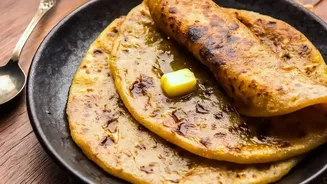
If Khichuri represents community and humility, the luchi embodies pure, unadulterated joy. These deep-fried, fluffy white breads made from refined flour are a festive indulgence. Unlike everyday rotis, luchis are special. Their soft, puffed-up texture signifies celebration and a break from the mundane. They are rarely eaten alone and are most famously paired with Alur Dom (a spicy potato curry) or Chholar Dal (a sweet and savoury lentil dish with coconut). This combination is a staple in Bengali homes during the five days of Puja, often served for a special breakfast or a meal shared with visiting friends and family. While the bhog served at pandals is the epicentre of community dining, the luchi on the home table represents a more intimate form of celebration, a taste of festive luxury shared with loved ones.
Sandesh: A Sweet Mark of Auspiciousness
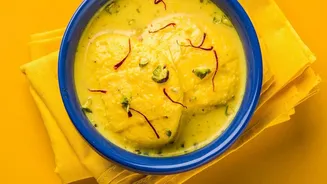
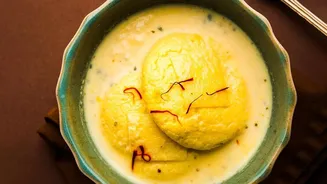
No Bengali festival is complete without mishti (sweets), and during Durga Puja, Sandesh reigns supreme. This delicate sweet, made from fresh chenna (cottage cheese), is more than just a dessert; it is an offering and a symbol of good tidings. The word 'Sandesh' itself means 'news' or 'message,' and serving it is a way of sharing happiness. Offered to the deity and shared among friends and family, it marks the auspiciousness of the occasion. Sandesh comes in countless varieties—from the simple, soft Kanchagolla to the Nolen Gurer Sandesh made with seasonal date palm jaggery. It is often moulded into beautiful shapes like conch shells or fish, merging culinary art with religious symbolism. Ending a festive meal with Sandesh is not just a treat for the palate; it's a sweet conclusion to a divine celebration, embodying the joy and blessings of the goddess.