






The Challenge of a Short Season
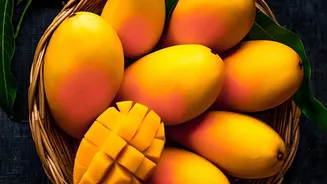
India's mango export season traditionally hits its stride between March and June. This is when world-famous varieties like Alphonso and Kesar dominate the market, creating a flurry of activity for farmers, packers, and exporters. However, this peak window
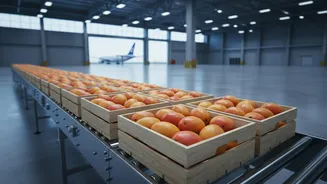
is short. As the monsoon arrives in western and southern India, the harvest of these popular varieties concludes, leaving a void in international markets that were just getting a taste of India's king of fruits. For exporters, this means a compressed sales period and an abrupt end to supply, making it difficult to maintain shelf space and consumer attention in global supermarkets for an extended period. The challenge has always been how to cater to this demand after the main harvest concludes.
A Strategic Extension with Late Varieties
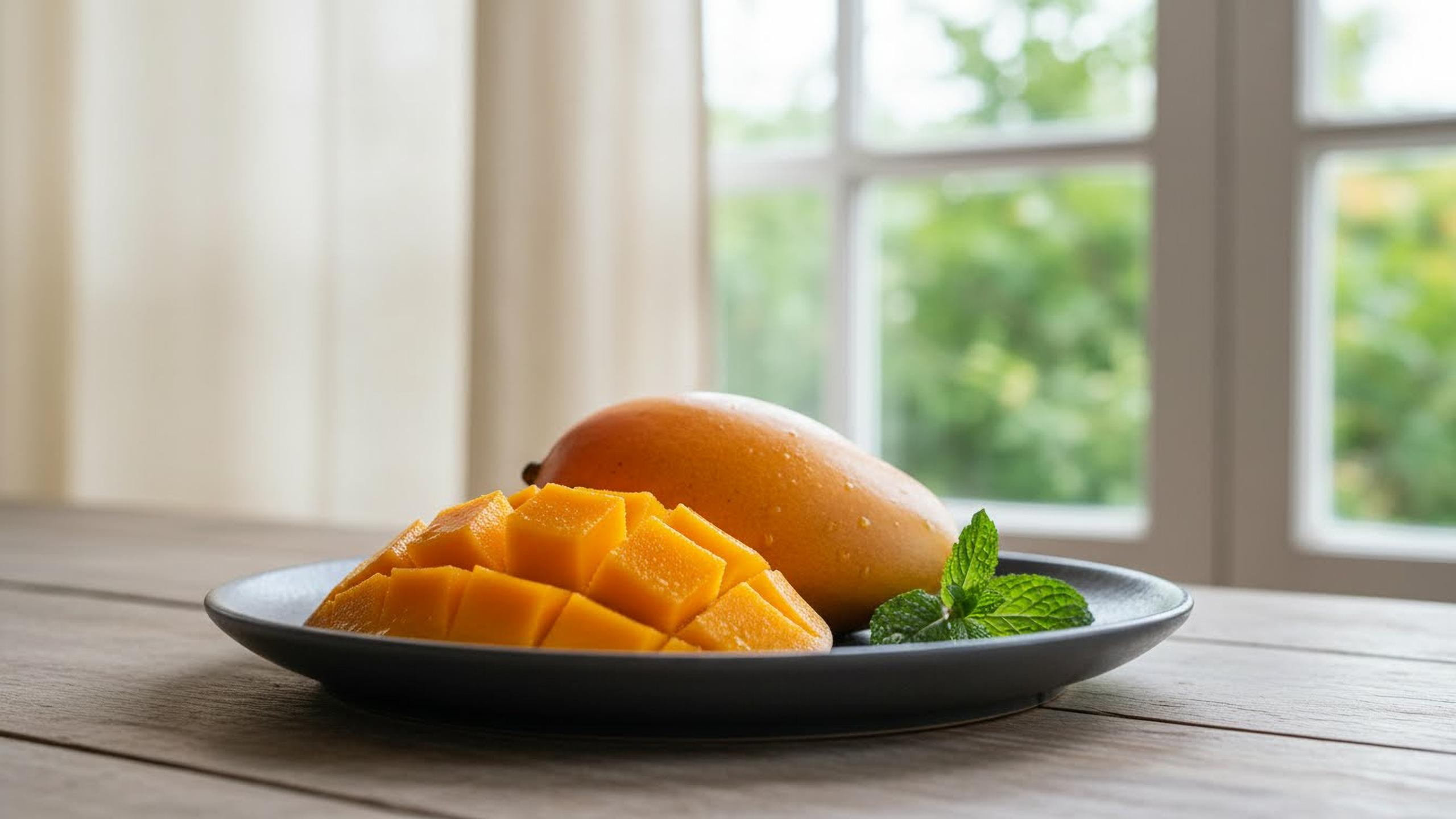
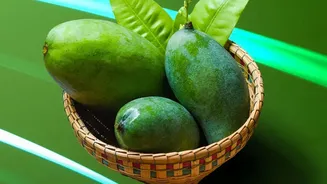
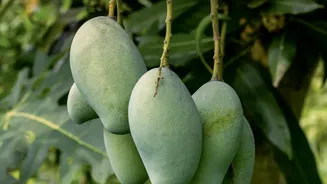
The solution is emerging from farms and research institutes in the form of late-maturing mango varieties. While northern Indian varieties like Chausa and Langra have traditionally provided some supply in July and August, a concerted effort is now underway to promote others that thrive later in the season. Varieties such as Neelam and Totapuri, which are harvested from late June through the end of July, are proving to be key players in this strategy. These mangoes allow India to stretch its global supply timeline well beyond the peak window, ensuring Indian mangoes can be sold when competitors' stocks are dwindling. For instance, a recent first-ever air shipment of Neelam and Totapuri mangoes from Karnataka to the Maldives on July 30th highlights this push.
The Economic Sweet Spot
Extending the season is not just about selling more mangoes; it's about selling them smarter. By supplying fruit after the peak rush, exporters can often access markets with less competition, potentially commanding better prices. This strategy strengthens India's entire mango export portfolio, making it a more reliable year-round partner for international buyers. The benefits flow directly back to the farming community. Farmers associated with a recent late-season export initiative earned over 50% higher returns compared to selling in domestic markets. This significant income growth is facilitated by Farmer Producer Companies (FPCs), which organize farmers to meet quality standards and connect them directly with exporters, bypassing traditional intermediaries.
The Science Behind the Season
This agricultural evolution is backed by dedicated research. Institutes like the Indian Agricultural Research Institute (IARI) and the Central Institute for Subtropical Horticulture (CISH) have been developing new hybrid varieties with specific traits. For example, Pusa Arunima, a hybrid of Amrapali and Sensation, is a late-season variety that is ready for harvest in early August and has a long shelf life of 10-12 days, making it ideal for export. Another is Arka Suprabhath, which is ready by July. These hybrids are often designed to be regular bearers, semi-dwarf (allowing more trees per hectare), and possess attractive colours and fibreless pulp to meet global consumer preferences. This scientific approach ensures that the new varieties are not just late but also commercially viable.
Hurdles to Overcome
Despite the promise, scaling up the adoption of late-season varieties comes with challenges. A primary hurdle is farmer adoption itself. Many growers are accustomed to traditional cultivation cycles and may be hesitant to invest in new varieties without proven success. Issues like the high cost of quality saplings, lack of awareness about modern cultivation practices, and inadequate infrastructure for post-harvest management remain significant barriers for many small-scale farmers. Furthermore, ensuring these new varieties consistently meet the taste, texture, and quality expectations set by their more famous predecessors is crucial for long-term success in discerning international markets.