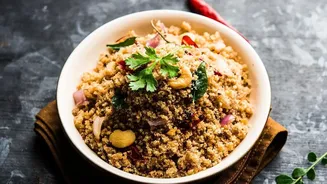




The Rava Roasting Ritual
The first and most crucial step towards a non-sticky, fluffy upma is roasting the rava (semolina). Many people skip this, but it’s a game-changer. Dry roasting the rava on a medium-low flame does two things: it imparts a wonderful, nutty aroma and, more
importantly, it helps prevent clumping. The heat dries out the semolina, ensuring the grains remain separate and absorb water evenly later on. You should roast it, stirring continuously, until it becomes fragrant and takes on a very light golden hue; be careful not to let it brown, as this can spoil the taste. For convenience, you can roast a large batch of rava and store it in an airtight container, speeding up the process for future breakfasts.
The Hot Water Advantage
Your choice of water temperature is just as critical as roasting. Always use hot, boiling water—never cold or lukewarm. When you introduce rava to rolling boiling water, the grains begin to swell instantly and cook evenly. This rapid, uniform cooking is what prevents lumps from forming. Using cold water causes the starch in the semolina to release slowly and unevenly, resulting in a pasty, gluey texture. The water should be at a full boil before you even think about adding the rava. This ensures the semolina cooks through with steam rather than turning into a porridge-like mush.
Mastering The Golden Ratio
The ratio of rava to water determines the final texture of your upma. While preferences vary, a common mistake is using too little water, which leads to a dry, hard dish, or too much, which makes it mushy. For a soft, fluffy consistency that’s not too dense, a ratio of 1 cup of rava to 2.5 or 3 cups of water is widely recommended. If you prefer a slightly firmer, more separate-grained ('khichdi-style') upma, a 1:2 ratio might work better. For a very soft, almost porridge-like texture, especially for kids, you can go up to a 1:3.5 or 1:4 ratio. It’s also wise to salt your water before adding the rava and taste it; this ensures the seasoning is evenly distributed.
The Art of the Steady Stir
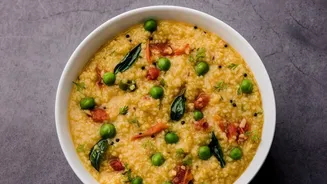
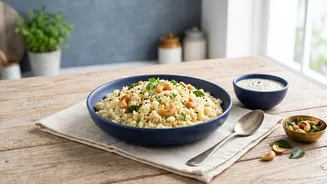
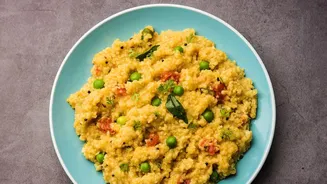
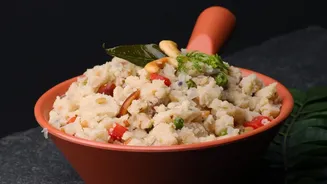
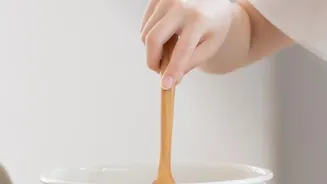
The headline is right: steady stirring is essential. Once your tempered spices and vegetables are ready and the water is at a rolling boil, reduce the heat to low. Then, pour the roasted rava into the pot in a slow, steady stream with one hand while continuously stirring with the other. This technique is vital for preventing lumps from forming the moment the rava hits the hot water. You don’t need to stir vigorously; a constant, gentle motion is enough to keep the grains separated as they absorb the liquid. Once all the rava is incorporated and the mixture has thickened, stop stirring, cover the pot with a tight-fitting lid, and let it steam on the lowest heat for a few minutes. This final 'dum' cooking allows the grains to become perfectly soft and fluffy.
Finishing Touches for Flavour
While texture is key, flavour makes upma memorable. A good 'tadka' or tempering is the foundation. Start by heating ghee or oil and spluttering mustard seeds, then add urad dal and chana dal, frying until they are golden brown for a pleasant crunch. Curry leaves, green chillies, and ginger add layers of fragrance and spice. You can also add finely chopped onions and sauté them until translucent before adding other vegetables like peas and carrots. Finally, a teaspoon of ghee stirred in at the end adds richness, while a squeeze of fresh lemon juice and a garnish of coriander leaves provide a bright, acidic finish that cuts through the richness and elevates the entire dish.