







What the Latest Filing Shows
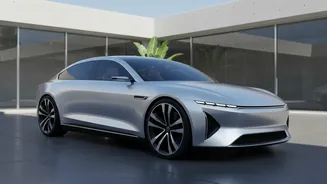
A regulatory filing on July 28, 2026, revealed that Saudi billionaire Prince Alwaleed bin Talal had acquired a 5% stake in Lucid Group. This purchase, valued at around $129.5 million, was made when the company's market capitalization had dipped significantly,
demonstrating a strategic move to buy in at a low point. The news sent Lucid's shares soaring over 20%, providing a much-needed boost of confidence after a volatile period that included the company publicly denying bankruptcy rumors. While the Prince's stake is separate from the primary government fund, it underscores a coordinated effort among Saudi Arabia's elite to back the American EV maker.
The PIF: Lucid's Majority Owner
Prince Alwaleed's investment is noteworthy, but the central player in Lucid's story is the Public Investment Fund (PIF), Saudi Arabia's sovereign wealth fund. Through its affiliate, Ayar Third Investment Company, the PIF is Lucid's controlling shareholder, owning a majority stake that has hovered around 60%. The PIF's involvement began in 2018 with a crucial $1 billion investment that essentially saved the company, allowing it to build its factory in Arizona and launch its first vehicle, the Lucid Air. Since then, the fund has poured billions more into the company through stock purchases and loans, establishing itself as the financial bedrock on which Lucid's ambitions are built.
A Pillar of Vision 2030
Why is Saudi Arabia so invested in a California-based EV company? The answer lies in Vision 2030, Crown Prince Mohammed bin Salman's ambitious plan to diversify the kingdom's economy away from oil. Lucid is a cornerstone of this strategy. The investment provides Saudi Arabia with a significant foothold in the future of transportation and clean energy technology. The partnership goes beyond just financial backing; Lucid has built its first international assembly plant in Saudi Arabia's King Abdullah Economic City. Furthermore, the Saudi government has committed to purchasing up to 100,000 vehicles from Lucid over the next decade, creating built-in demand and supporting the localization of its industry.
What This Means for Lucid
For Lucid, the Saudi connection is both a lifeline and a defining characteristic. The PIF's deep pockets have provided the capital necessary to navigate immense production challenges and financial losses, which totaled over $1 billion in the first quarter of 2026 alone. This unwavering support allows Lucid to continue its costly mission of scaling production, launching its next vehicle—the Gravity SUV—and developing future models. However, it also means the company's fate is intrinsically tied to the strategic goals of a foreign government. While the PIF's backing insulates Lucid from some market pressures, it also creates unique risks and makes the company a fascinating test case for this new model of global industrial strategy.
The Bigger Picture
The relationship between Lucid and its Saudi backers is more than a simple investment. It's a symbiotic alliance shaping the future of both entities. Lucid gets the patient, long-term capital required to compete in the brutal EV market, while Saudi Arabia gains manufacturing capabilities, a high-tech anchor for its economic city, and a tangible symbol of its post-oil ambitions. Recent leadership changes, including the appointment of new CEO Silvio Napoli in June 2026, and significant cost-cutting measures signal that the company is under pressure to perform. The latest filing from Prince Alwaleed is another clear signal that while the path may be rocky, the Kingdom's most influential figures remain firmly in the driver's seat.