




A 22% Shortfall for a Critical Season
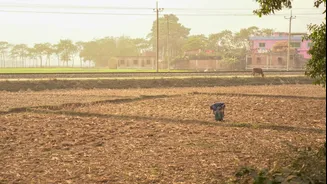
Pakistan's Indus River System Authority (IRSA) has projected a significant 22% water shortage for the ongoing Rabi season, which runs from October to March. This forecast is particularly concerning as Rabi is the season for major crops like wheat, the country's
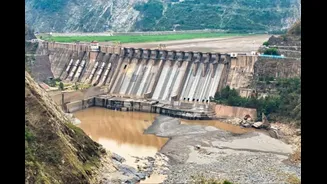
main staple. The shortfall is expected to primarily impact Punjab and Sindh, Pakistan's agricultural heartlands, which rely heavily on irrigation from the Indus basin. IRSA's advisory committee approved the forecast based on anticipated river inflows and existing reservoir levels, which were lower than expected after the summer Kharif season. The authority now has to manage water distribution among provinces based on these calculated estimates, a decision made under the shadow of a larger geopolitical issue.
The Treaty at the Heart of the Matter
For over six decades, water sharing between India and Pakistan has been governed by the Indus Waters Treaty (IWT). Brokered by the World Bank and signed in 1960, the treaty has been hailed as a rare example of successful conflict resolution between the two nuclear-armed neighbours. It allocates control of the three eastern rivers—Sutlej, Beas, and Ravi—to India, while Pakistan gets control over the three western rivers—Indus, Jhelum, and Chenab. A key component of the treaty involves the exchange of hydrological data, allowing for more accurate flow predictions and flood warnings. This cooperative mechanism, which has survived multiple wars, is currently non-operational.
Why the Treaty Is 'On Hold'
In April 2025, India announced it was putting the treaty in 'abeyance' following a terrorist attack in Pahalgam, Kashmir. New Delhi's position is that a pact based on 'friendly relations' cannot function normally while it accuses Pakistan of supporting cross-border terrorism. This suspension means a halt to all treaty-related cooperation, including the crucial sharing of water flow data. Pakistan has rejected the move, arguing that the treaty cannot be suspended unilaterally and has sought international intervention. Despite this, the Permanent Indus Commission has not met, and the dispute resolution mechanisms outlined in the treaty have stalled, creating a diplomatic and logistical impasse.
Forecasting in the Dark
Operating without the data typically provided by India under the IWT, IRSA is forced to rely on its own models and historical averages to predict river flows. While the authority uses sophisticated tools, some developed with international partners, to forecast inflows, the absence of real-time upstream data introduces a significant margin of error. This makes managing the water supply for agriculture, which accounts for over 80% of Pakistan's water usage, much more challenging. The accuracy of these forecasts is now paramount, as any miscalculation could exacerbate water shortages, leading to provincial disputes and impacting food security for millions.
A Self-Inflicted Crisis?
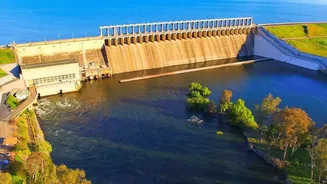
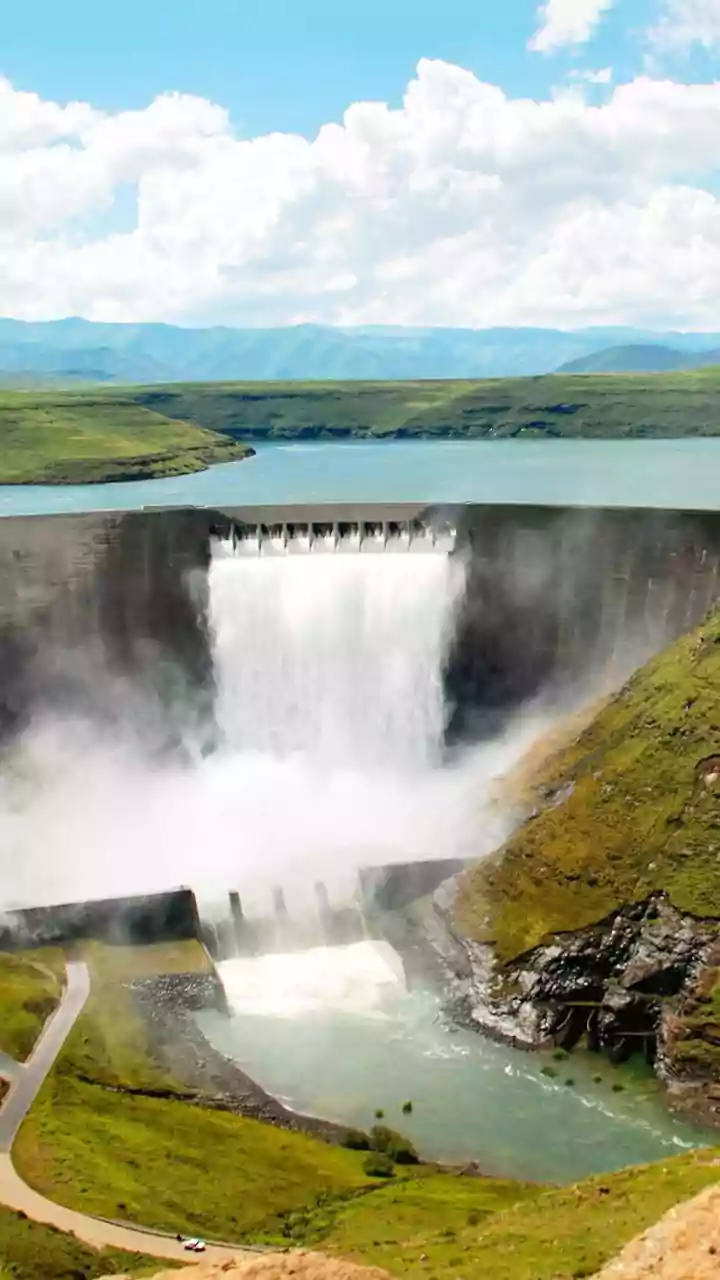
While the suspension of the IWT is a major factor, reports from within Pakistan suggest the water shortage is also linked to domestic issues. IRSA itself has pointed to lower-than-average river inflows from the previous season, inadequate reservoir storage, and delays in completing key national water infrastructure and hydropower projects. Some analyses note that Pakistan's water stress is compounded by inefficient irrigation, the cultivation of water-intensive crops, and a lack of investment in storage infrastructure like dams. Therefore, the current crisis is a complex mix of external diplomatic pressure and long-standing internal resource management challenges.