


A South American Spectacle
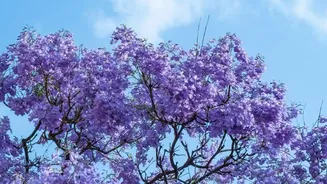
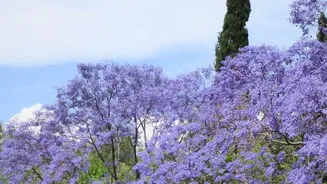
Though they feel like an inseparable part of Sydney's identity, jacaranda trees are not native to Australia. The Jacaranda mimosifolia is originally from South America, with roots in Brazil, Argentina, and Bolivia. The trees were introduced to Australia in the 19th
century and quickly became a favourite for lining streets and beautifying gardens. The first specimen was recorded in Sydney's Royal Botanic Gardens around the 1850s, and by the early 20th century, their popularity had surged, leading to widespread planting programs that shaped the city's springtime character. Today, the bloom is so iconic it has its own unofficial season, typically running from mid-October through November, with the peak often arriving in the final weeks of October.
Kirribilli’s Famous Purple Tunnel
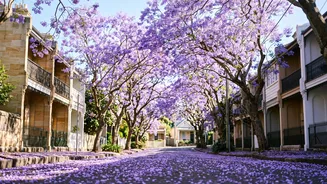
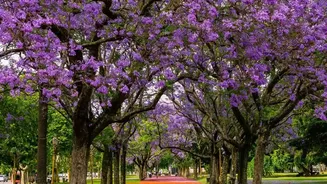
For the most concentrated and photographed jacaranda experience, head to McDougall Street in the lower North Shore suburb of Kirribilli. Here, mature jacarandas line both sides of the street, their branches reaching across to form a breathtaking purple canopy. This natural tunnel becomes a major attraction, drawing locals and tourists who come to walk beneath the violet archway and capture the perfect photo. The street is a short walk from Milsons Point train station or can be reached by a ferry from Circular Quay, making it an easy and essential stop on any jacaranda tour. Given its popularity, it's wise to visit early in the morning to avoid the biggest crowds.
Harbour Views and Secret Gardens
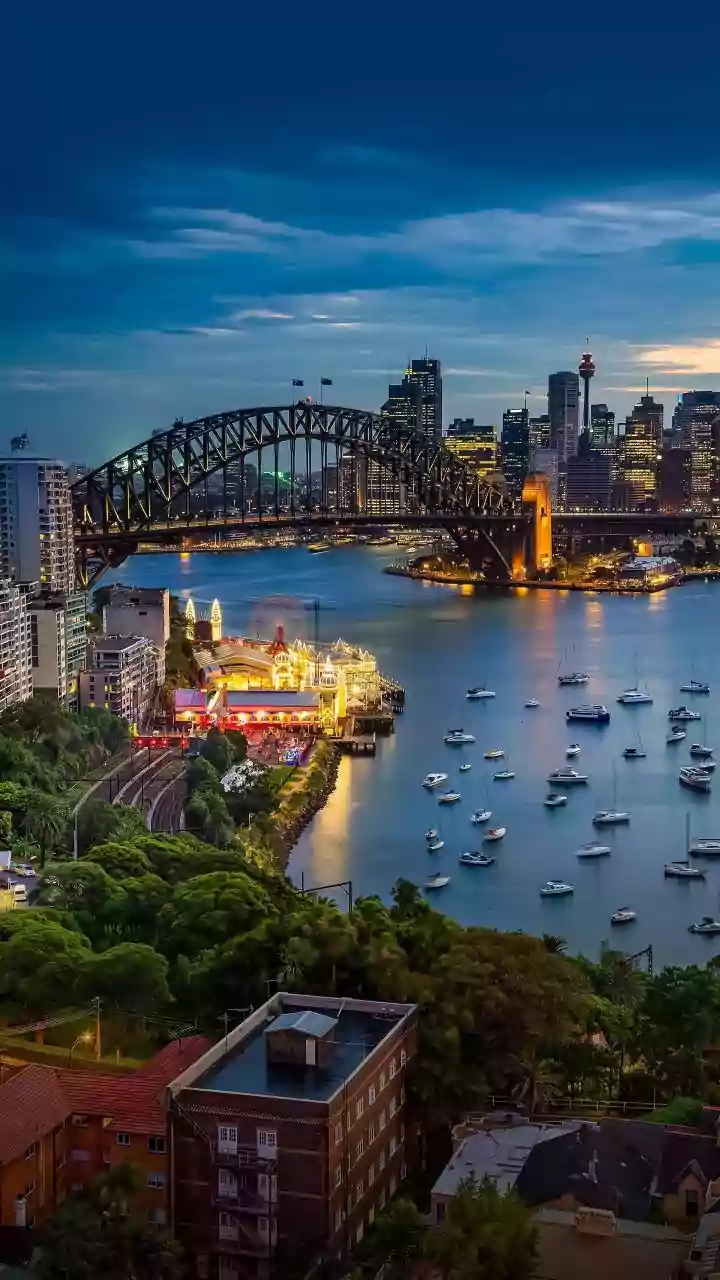
Just a stone's throw from Kirribilli, the Lavender Bay foreshore offers another stunning perspective, with purple blooms framing classic views of the Sydney Harbour Bridge. A highlight here is Wendy Whiteley's Secret Garden, a beloved public space where you can enjoy a picnic under the jacarandas while soaking in the spectacular harbour scenery. Further east, the suburbs of Paddington, Woollahra, and Double Bay offer more jacaranda-lined streets. Oxford Street, particularly near the Victoria Barracks, provides a dramatic corridor of colour, blending the vibrant trees with the area's historic architecture.
Campus Colour and Local Legends
The University of Sydney in Camperdown is another key destination, where the historic sandstone of the main quadrangle is softened by the purple haze. The university's original jacaranda, planted in 1928, became so famous it spawned its own folklore. Campus legend held that any student who hadn't started studying for exams before the first petal fell was destined to fail. That iconic tree fell in 2016, but the university has since planted a genetically identical clone in its place, ensuring the tradition continues. The surrounding suburbs of Glebe and Newtown also boast beautiful blooms along their charming residential streets.
Tips for the Best Views
To make the most of jacaranda season, timing is everything. While the bloom generally lasts for several weeks, the peak can be fleeting, and heavy rain can bring the petals down prematurely. For photographers, the 'golden hours' just after sunrise and before sunset offer the softest light to capture the vibrant purple hues. An overcast day can also be ideal, as the soft, even light makes the colours pop without harsh shadows. Beyond the most famous spots, jacarandas can be found across the city, from Parramatta Park in the west to the Royal Botanic Garden, which is home to some of the oldest specimens in the country. Exploring different neighbourhoods can reveal quieter, equally beautiful displays.