






The New Champion by the Numbers
In the first half of 2026, Incheon International Airport handled an impressive 38.39 million international passengers. This figure narrowly pushed it ahead of London's Heathrow, which saw 37.79 million passengers in the same period. The data, compiled
by Airports Council International (ACI), marks the first time Incheon has secured the top spot since its opening in 2001. The airport has seen a steady climb in the rankings, moving from 10th place in 2002 to third in 2024 and 2025 before claiming the crown. This achievement isn't just a statistical victory; it reflects a broader change in global travel patterns and the rise of Asian airports as critical nerve centers for international movement.
Geopolitics and Shifting Skies
A significant factor in Incheon's ascent has been recent geopolitical instability. Conflict in the Middle East has disrupted traditional flight paths, leading to a decrease in transfer passengers at major hubs like Dubai. This disruption redirected a substantial volume of traffic, particularly between Europe and Asia, with many travelers now connecting through East Asian airports instead. Incheon became a primary beneficiary of this shift. The number of transfer passengers at the South Korean hub surged by 18.1% compared to the previous year, with connecting traffic from Europe alone soaring by over 63%.
Incheon’s Winning Strategy
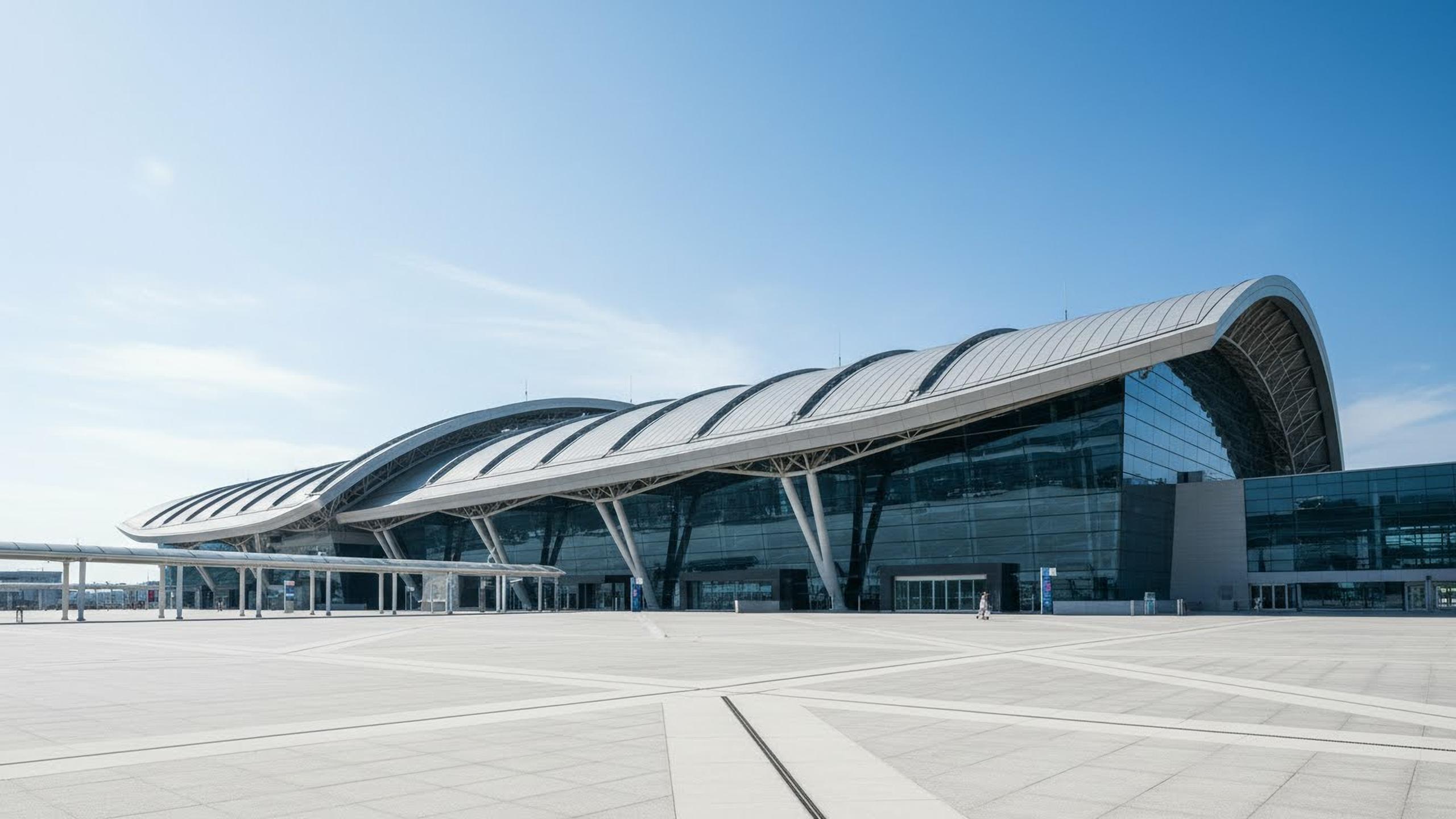
Incheon's success is not purely accidental. It is the result of a deliberate, long-term strategy focused on expansion and service. The airport recently completed a major four-phase construction project in late 2024, boosting its annual capacity to 106 million passengers. This makes it the third-largest in the world by capacity. Incheon boasts a vast network, with 101 airlines flying to 183 cities worldwide. This extensive connectivity has attracted major carriers; Delta Air Lines, for example, chose Incheon over Japan's Narita as its primary Asian hub in 2024. Furthermore, a surge in tourism to South Korea, especially from China and Japan, has bolstered its numbers, with foreign nationals making up a record 44.4% of passengers in the second quarter of 2026.
Heathrow's Capacity Conundrum
While Incheon has been expanding, London Heathrow has been grappling with significant capacity constraints. Its two runways have been operating at or near 99% capacity for years, leaving little room for growth. Plans for a third runway have been debated for over a decade, mired in political, legal, and environmental challenges. This operational ceiling has made it difficult for Heathrow to keep pace with fast-growing competitors. In July 2026, Heathrow was also overtaken by Istanbul as Europe's busiest airport, prompting renewed calls from airport officials for expansion to maintain the UK's competitiveness. The inability to add more flights not only limits passenger growth but also reportedly contributes to higher average fares compared to other European hubs.
A New Global Crossroads
The rise of Incheon is more than just a story about one airport's success. It symbolizes the shifting center of gravity in global aviation towards the Asia-Pacific region. Airports in Asia and the Middle East have been consistently climbing the ranks, driven by strong economic growth, massive infrastructure investment, and their strategic geographic locations. While Heathrow remains a critical and highly connected hub, its slip from the top international spot underscores a new competitive landscape where modern, expandable airports in rising economic zones are setting the pace for the future of global travel. For passengers, this shift may lead to new route options and a different transit experience, as airlines continue to follow the paths of growth.