





Decoding the New EV Policy
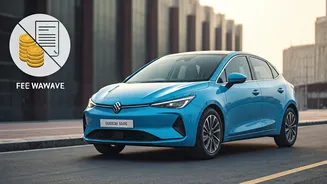
The Delhi government has approved its ambitious Electric Vehicle (EV) Policy 2026, which introduces major incentives to accelerate the adoption of clean mobility. The headline announcement for private car buyers is a 100% waiver on both road tax and registration
fees for all-electric cars with an ex-showroom price up to ₹30 lakh. This policy, which replaces the previous framework, will be in effect from July 1, 2026, until March 31, 2030. The move is part of a larger ₹15,000-crore plan to combat the city's severe air pollution by making zero-emission vehicles a more financially viable choice for the average consumer.
How Much Can You Actually Save?
The waiver of road tax and registration fees translates into substantial upfront savings. In Delhi, these charges can add a significant amount to the on-road price of a new vehicle. For an electric car costing around ₹20-25 lakh, the savings can easily exceed ₹1.5 to ₹2 lakh, effectively lowering the barrier to entry. This makes many popular EV models immediately more competitive against their petrol or diesel counterparts. The government's goal is to make the total cost of ownership for an EV more attractive from day one, rather than over a period of several years through fuel savings alone.
The ₹1 Lakh Scrappage Bonus
In addition to the tax relief, the policy introduces a powerful incentive to get older, more polluting vehicles off the road. If you own a Delhi-registered BS-IV or older petrol or diesel car, you can receive a ₹1 lakh scrappage incentive when you purchase a new electric car priced under ₹30 lakh. This benefit is limited to the first 100,000 applicants and the new EV must be bought within six months of receiving the scrapping certificate. This dual benefit—combining the tax waiver with the scrappage bonus—can dramatically reduce the effective price of a new electric vehicle for eligible buyers.
Which Cars Qualify for the Relief?
The ₹30 lakh ex-showroom price cap covers a wide and growing range of popular electric vehicles available in the Indian market. This includes entry-level models like the Tata Tiago EV and Citroen eC3, as well as the country's best-selling electric SUV, the Tata Nexon EV. Other prominent models that fall under this price bracket include the Mahindra XUV400 EV, MG ZS EV, and several upcoming vehicles from major manufacturers like Maruti Suzuki, Hyundai, and Kia. Luxury EVs priced above this threshold will not be eligible for the road tax and registration fee waiver. It's important to note that the policy exclusively benefits fully electric vehicles; hybrid cars are not included in this incentive scheme.
A Push for a Greener Future
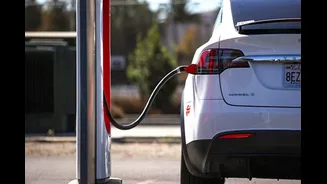
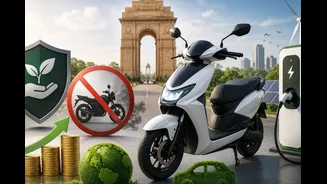
These incentives are part of a broader, aggressive strategy to clean up Delhi's air. The policy focuses heavily on electrifying the most polluting vehicle segments. It mandates that from January 1, 2027, all new auto-rickshaws registered in the city must be electric. Even more significantly, from April 1, 2028, no new petrol or CNG-powered two-wheelers will be allowed for registration, pushing the entire market towards electric options. To support this transition, the government plans to install over 30,000 new public charging points across the city over the next four years.