





What is the Intelligent Traffic Management System?
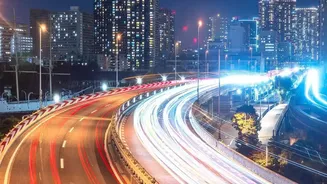
The Intelligent Traffic Management System, or ITMS, is a high-tech project designed to modernize how traffic flows across Delhi. Approved with a budget of nearly ₹1,790 crore, the system aims to reduce congestion, shorten travel times, and enhance road
safety by using artificial intelligence (AI) and real-time data. Instead of relying on fixed-time signals that often lead to unnecessary waiting, the ITMS will create a dynamic and interconnected network. This 'brain' will be managed by the Delhi Police from centralized command and control centers, allowing for a unified approach to managing the city's bustling roads.
Smarter Signals and Smoother Flow
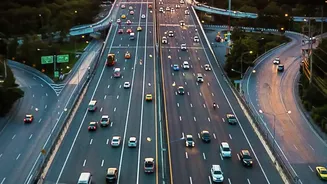
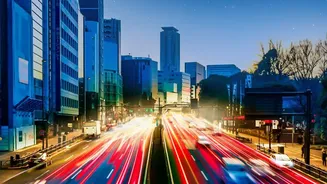
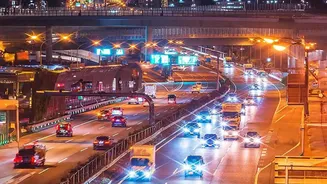
A core feature of the ITMS is the introduction of Adaptive Traffic Control Systems (ATCS) at over 1,000 intersections. These aren't your average traffic lights. Using cameras and sensors, they will analyze traffic density, queue lengths, and vehicle speeds in real time. If one road is heavily congested while a crossing one is empty, the system will automatically adjust the signal timings to clear the jam faster. The goal is to create 'green waves' or corridors where signals are synchronized to allow for smoother movement and fewer stops, making daily travel more predictable.
Automated Enforcement: Cameras are Watching
The ITMS will also usher in a new era of automated traffic enforcement across more than 1,000 locations. The system will use advanced cameras to automatically detect a wide range of violations without manual intervention. This includes common offences like red-light jumping and speeding, as well as others like driving without a seatbelt, triple riding on two-wheelers, using a mobile phone while driving, and wrong-way driving. AI-powered analytics will also help identify stolen vehicles or those linked to hit-and-run cases by checking number plates against police databases, triggering alerts for law enforcement.
Live Information for Commuters
One of the most direct benefits for residents will be access to real-time traffic information. The system will share updates on congestion, accidents, diversions, and even parking availability through various channels. This information will be displayed on large Variable Message Signboards (VMS) on major roads and can also be shared with navigation service providers and other digital platforms. This means you'll know about a protest or a breakdown ahead and can choose an alternative route before you get stuck. The system is also designed to create green corridors for emergency vehicles like ambulances, changing signals to allow them to pass through traffic quickly.
A Phased, 24-Month Rollout
This ambitious project will not be implemented overnight. The Delhi Police will roll out the ITMS in three phases over a 24-month period. The project will cover 42 major traffic corridors across the city. The first phase will focus on five key corridors, including parts of the Ring Road and Outer Ring Road. Seven more corridors will be covered in the second phase, with the remainder completed in the third. Each phase will be carefully evaluated to ensure it meets performance requirements before the next one begins, ensuring a steady and reliable implementation of this transformative system.