






A Tale of Two Towns
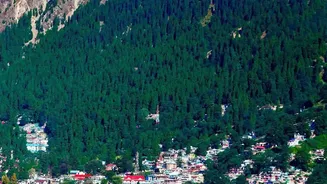
Nainital, the jewel of the Kumaon region, was 'discovered' in 1841 by a British sugar trader named P. Barron. Enchanted by the serene lake, he built the first European house, Pilgrim Lodge, sparking a wave of development that would transform the sleepy
valley. The British, seeking refuge from the scorching heat of the plains, established Nainital as the summer capital of the United Provinces. This led to the construction of a town that mirrored a classic European resort, complete with Victorian-style buildings, sprawling bungalows, and Anglican churches that still stand today, shaping the distinct character of Mallital, the older, colonial part of town.
The Heart of Colonial Social Life
At the centre of British social life were the exclusive clubs. The Nainital Boat House Club, established in the late 19th century, quickly became an iconic institution. It was not just a place for games and drinks; it was revered for offering inland sailing, a unique attraction at such high altitude. The club's vintage charm, with its British-era bar and prominent location on the lakefront, continues to evoke a sense of the past. Though the original club for British members was dissolved after 1947, sailing enthusiasts ensured its legacy continued by forming the new Boat House Club, which remains a prestigious landmark.
Homes of the Raj
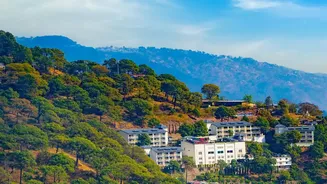
Dotted across the hillsides, especially in the Ayarpatta region, are the colonial cottages and bungalows that tell stories of a bygone era. These were not just houses; they were summer retreats for British officials and, later, Indian royalty who followed their lead. Names like Ashdale Cottage (1860) and Earl's Court (1890) point to their origins as homes for British captains and officials. Many of these properties, such as The Hive, a preserved 1860s estate, and others like Balrampur House and Naini Retreat, have since been converted into heritage hotels. They retain their classic architecture—timber frames, gabled roofs, and sprawling gardens—offering visitors a tangible connection to Nainital's colonial past.
Symbols of Power and Faith
Beyond the homes and social clubs, the British built structures that projected their administrative power and religious faith. The most impressive is the Raj Bhavan, or Governor's House. Built in 1899 and designed by F.W. Stevens, its Victorian Gothic style was intended to resemble a Scottish castle. With 113 rooms, it served as the summer residence for the governor and stands as a monumental piece of colonial architecture. Equally significant is the St. John in the Wilderness Church, established in 1844. One of the earliest buildings in Nainital, this neo-Gothic church is nestled in a deodar forest and features beautiful stained-glass windows. It also holds a brass plaque memorialising the victims of the devastating 1880 landslide, a sober reminder of the town's history.
An Enduring Legacy
The colonial influence on Nainital is more than just architectural. The British established prestigious boarding schools like Sherwood College and St. Joseph's College, turning the town into a key educational hub—a reputation it holds to this day. They also laid out The Mall, the promenade connecting Tallital and Mallital, which remains the town's primary artery. The creation of 'The Flats' recreation area after the 1880 landslide, and the strict building bylaws and drainage systems that followed, were direct results of colonial-era planning aimed at preventing future disasters. These clubs, cottages, and public works are not merely relics; they are deeply woven into the fabric of Nainital, preserving the atmosphere of a classic hill station and offering a window into its layered history.