








Understanding ‘Lifestyle Creep’
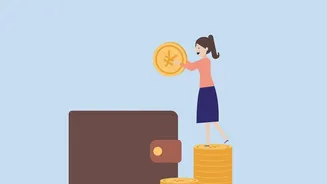
This phenomenon has a name: lifestyle creep, or lifestyle inflation. It’s the tendency for our spending to gradually increase as our income grows. What were once considered luxuries—like frequent dining out, premium subscriptions, or more expensive holidays—slowly
become necessities. Each individual upgrade feels small and justified. You’ve worked hard for it, right? But the cumulative effect is that your baseline cost of living rises, often without you consciously noticing. This can leave you feeling like you’re living paycheck to paycheck, even with a significantly higher income.
The Compounding Problem for Retirement
The real danger of lifestyle creep is its dramatic impact on your retirement goals. Many people plan their retirement savings based on a percentage of their current income. A common guideline is the 80% rule, which suggests you'll need about 80% of your pre-retirement income to maintain your lifestyle after you stop working. If your lifestyle expenses continuously rise, the total nest egg required to generate that income skyrockets. For example, an extra ₹20,000 in monthly spending might not feel like much now, but to generate that same ₹2,40,000 annually in retirement, you could need an additional ₹60,00,000 saved, based on the popular 4% withdrawal rule. Suddenly, a small, gradual increase in your lifestyle has added a monumental task to your savings plan.
Pay Yourself First, Always
The most effective strategy against lifestyle creep is one of the oldest in the book: pay yourself first. Before you have a chance to spend any extra income from a raise or bonus, automate your savings. Set up automatic transfers to your retirement and investment accounts the day your salary hits your bank. By making savings non-negotiable, you treat it like any other essential bill. This removes the need for monthly discipline and ensures your future goals are funded before discretionary spending can get in the way. If possible, aim to save at least 15% of your pre-tax income for retirement.
The 50/50 Split for New Income
Avoiding lifestyle creep doesn't mean you can never enjoy the fruits of your labour. A balanced approach is key. A great rule of thumb is to split any new income, like a raise or a bonus, in half. Dedicate 50% of the new after-tax money towards your financial goals—boosting retirement contributions, paying down debt, or building your emergency fund. The other 50% can be used to mindfully upgrade your lifestyle. This approach allows you to celebrate your success and enjoy a better quality of life now, while simultaneously accelerating your journey to financial independence.
Mindful Spending and Budgeting
A budget isn't about restriction; it's about intention. Creating a budget helps you see exactly where your money is going and allows you to align your spending with your values. Are you spending on things that bring you genuine, lasting joy, or are you spending out of habit or social pressure? Regularly reviewing your expenses helps you identify and cut out mindless spending, freeing up money for what truly matters. Consider implementing a waiting period for large, non-essential purchases. Waiting 30 days can often reveal whether you truly want the item or if it was just an impulse.
Define Your ‘Enough’
In a world of constant social comparison, it's easy to get caught on a 'hedonic treadmill,' where you’re always chasing the next thing to feel happy. Psychologists note that the initial thrill of a new purchase or a lifestyle upgrade fades quickly as it becomes the new normal. The key to getting off this treadmill is to define what 'enough' means for you. What kind of life do you truly want in retirement? What experiences and comforts are non-negotiable? By setting clear, personal goals, you can create a financial plan that serves your vision of happiness, not someone else's.