






What Exactly Is E20 Petrol?
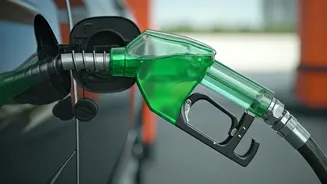
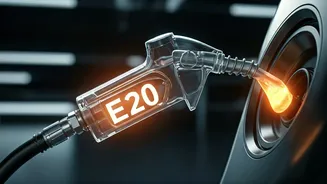
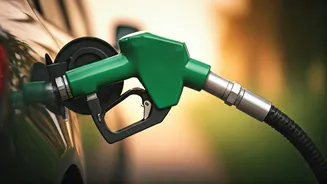
E20 petrol is a blend of 80% petrol and 20% ethanol. Ethanol is a biofuel, an alcohol produced from renewable agricultural sources like sugarcane, maize, and surplus rice. This initiative is part of India's broader Ethanol Blending Programme (EBP), which
aims to reduce the country's reliance on imported crude oil, lower carbon emissions, and support farmers' incomes. The government has mandated the nationwide availability of E20 fuel, which has a higher octane rating than regular petrol, advancing its original 2030 target to 2025.
The Core Issue: Vehicle Compatibility
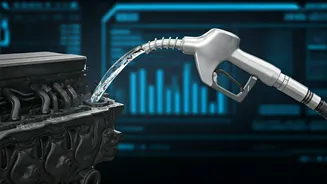
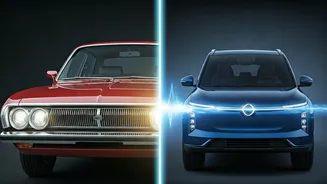
The central question for most consumers is whether their vehicle can safely use E20. Most cars and two-wheelers manufactured since April 2023 are E20-compliant, meaning their engines and fuel systems are specifically designed to handle the 20% ethanol blend. For vehicles made before this, particularly those manufactured before 2011, there are significant concerns. Ethanol is more corrosive than petrol and can degrade certain rubber and plastic components in the fuel lines, seals, and gaskets of older, non-compliant vehicles, potentially leading to leaks and long-term engine damage. Automakers, however, have recently stated that based on extensive lab testing and real-world service data from millions of vehicles, they have found no evidence of engine damage or abnormal wear in pre-2023 models using E20 fuel, attributing this to engineering safety margins.
Mileage and Performance: The Trade-Offs
One of the most debated aspects of E20 is its effect on fuel efficiency. Ethanol has a lower energy density than petrol, meaning it contains less energy per litre. Consequently, using E20 can lead to a minor drop in mileage. Automakers and government officials acknowledge a potential decrease of around 3-5%. Some users report a more significant drop, especially in older vehicles. On the performance front, the story is mixed. The higher octane rating of E20 can reduce engine knocking and may even provide smoother acceleration, particularly in engines designed for it. However, older, non-compliant engines, especially those with carburettors, may experience issues like rough idling and difficulty with cold starts.
The Government and Industry Stand
In response to a surge in social media claims about engine damage, the government and India's top auto manufacturers held joint press conferences in early July 2026 to allay fears. They maintain that E20 has been thoroughly tested and is safe, dismissing many viral claims as misinformation. Automakers like Maruti Suzuki and Hero MotoCorp stated that their service data from crores of vehicles has not shown any increase in engine component failure linked to E20 fuel, even in older models. They assert that issues are more likely to be caused by fuel contamination—such as water or dirt in the petrol—rather than the ethanol blend itself, as highlighted in a recent viral case involving a Toyota Innova Hycross.
What Should You Do?
For owners of vehicles manufactured after April 2023, there is little cause for concern as these models are built to be E20-compliant. For those with older vehicles (pre-2023), the advice from manufacturers is that the fuel is safe, despite the vehicles not being officially certified for E20. However, the NITI Aayog's own roadmap has previously noted that older vehicles might require the replacement of certain rubber and plastic parts to be fully compatible. The most prudent step is to consult your vehicle's owner's manual or contact the manufacturer directly to confirm its E20 compatibility. Watching for any changes in performance or engine behaviour after switching to E20 is also recommended.