



The Meaning of Rhythm in Movement
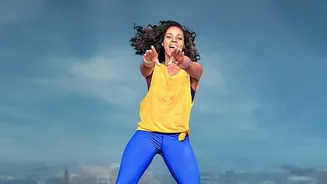
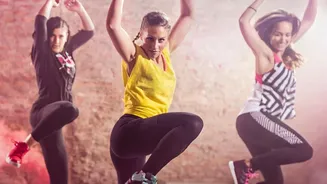
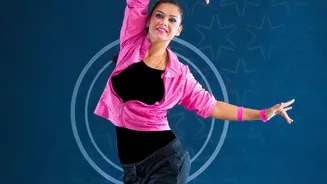
Before comparing, it’s worth understanding what “rhythm” means for exercise. It’s more than just a beat. Rhythm can be external, like the structured, music-driven choreography of a Zumba class where everyone moves in sync. But it can also be internal—the
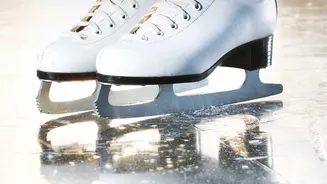
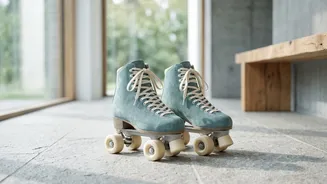
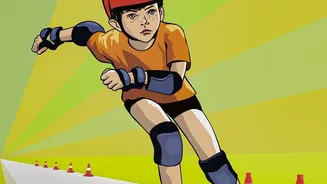
fluid, repetitive motion that creates a 'flow state', like the smooth glide-and-push of roller skating. One is about following a beat, the other is about creating your own. Both can make exercise feel less like work and more like play, boosting your mood and helping you stick with it.
Cardiovascular Power and Calorie Burn
Both Zumba and roller skating are excellent forms of aerobic exercise, proven to strengthen your heart and improve endurance. Zumba classes are built on an interval training model, alternating between high-energy and slower-paced tracks to keep your heart rate up. A typical class can burn anywhere from 300 to over 600 calories an hour, depending on the intensity. Roller skating, when done at a steady, moderate pace, offers a comparable calorie burn. Skating vigorously or on an incline can burn even more, making it a powerful cardio tool. For pure calorie burning, a high-intensity Zumba class or a fast-paced skate are both top contenders.
Which Muscles Will You Work?
This is where the two activities really diverge. Zumba is designed as a full-body workout. The Latin-inspired dance moves heavily engage the core, hips, and glutes, while the choreographed lunges and jumps target the quads and hamstrings. Some specialized classes, like Zumba Toning, even add light weights to work the arms and shoulders. Roller skating, by contrast, is a lower-body powerhouse. It intensively works the glutes (especially the often-neglected side glute muscles), quads, hamstrings, and calves. Your core also gets a significant workout, as it's constantly engaged to maintain balance and stability while you glide.
Learning Curve and Accessibility
Zumba is built for accessibility. Classes are widely available in gyms and community centers, and you don't need to be a trained dancer to participate. The emphasis is on moving and having fun, not perfecting every step. This makes it easy for beginners to jump in. Roller skating has a steeper initial learning curve; it requires balance, coordination, and access to a safe, smooth surface like a rink or a park path. However, once you master the basics, it offers immense freedom. You aren't tied to a class schedule and can skate whenever and wherever it's safe to do so.
Impact on Joints and Injury Risk
One of roller skating's biggest advantages is that it's a low-impact exercise. The smooth, gliding motion puts significantly less stress on the knees, hips, and ankles compared to high-impact activities like running. This makes it an excellent choice for individuals with joint concerns. Zumba is generally considered a moderate-impact workout, but the risk of injury, particularly to the knees and ankles, can increase. This is often due to improper form during squats and lunges or wearing the wrong shoes—running shoes, with their grippy soles, can hinder the pivoting movements common in Zumba and lead to sprains. Choosing a good instructor and appropriate footwear is key to staying safe.
The Social Factor
Your preference for social or solo exercise can also guide your choice. Zumba is fundamentally a group activity. The class environment fosters a sense of community and shared energy, which can be highly motivating for many people. It’s a dance party where everyone is invited. Roller skating can be social, enjoyed with friends or at a community rink, but it can also be a meditative solo activity. It offers the flexibility to get lost in your own thoughts and rhythm, providing a mental escape while you exercise.