


A Symphony of Flavours and Textures
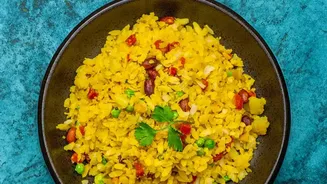
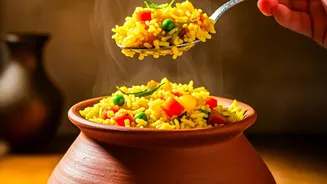
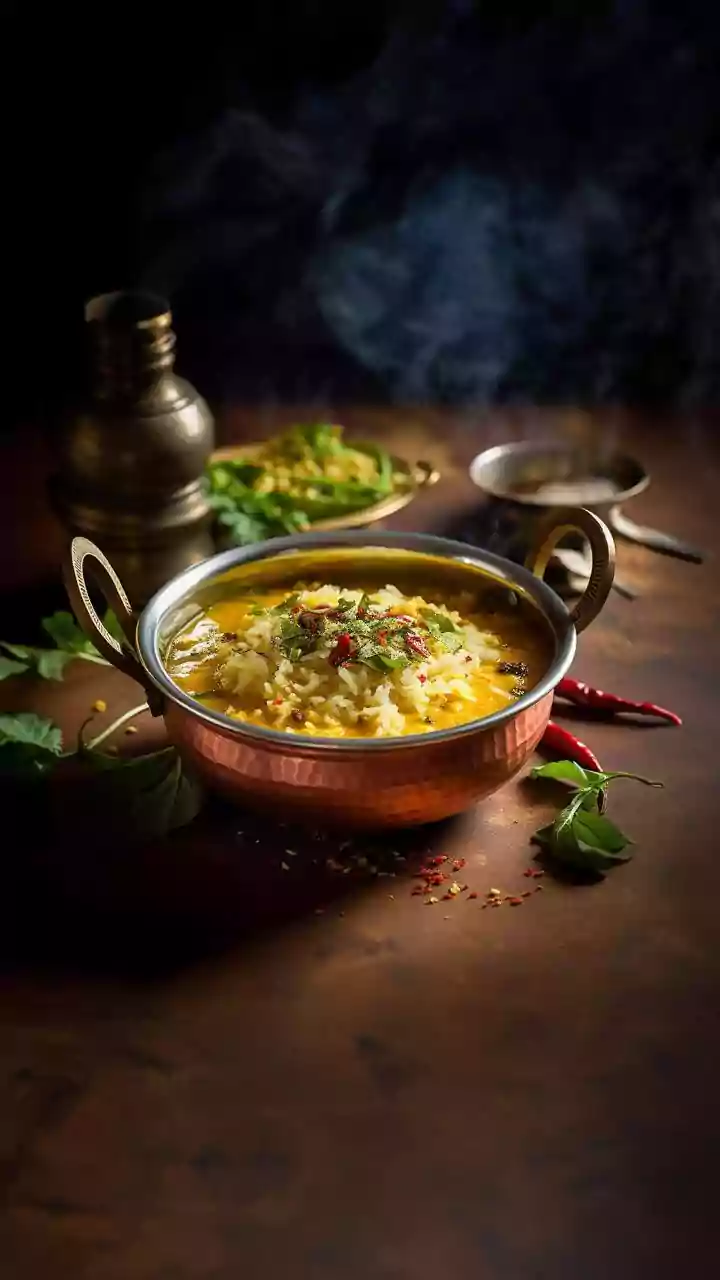
On paper, the combination sounds chaotic. On one side, you have poha: light, fluffy flattened rice, steamed to perfection and tossed with turmeric, mustard seeds, and curry leaves. It's savoury, tangy, and endlessly customisable, often adorned with crunchy
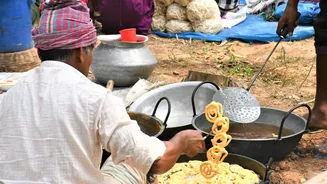
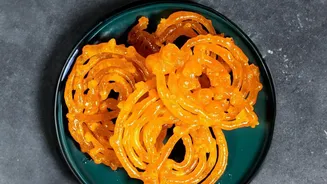
peanuts, sharp raw onion, fresh coriander, and a generous squeeze of lemon. The real magic, especially in Indore, comes from a dusting of Jeeravan masala, a complex spice blend that gives the dish its signature zesty kick. On the other side sits the jalebi: a gleaming, golden spiral of fermented batter, deep-fried and then plunged into sugar syrup. It’s unapologetically sweet, with a crisp exterior that gives way to a chewy, syrup-filled centre. Eaten together, it’s a delightful clash of sweet and savoury, soft and crunchy. The tang of the poha cuts through the intense sweetness of the jalebi, creating a balanced, satisfying bite that wakes up every part of the palate.
The Heartbeat of Malwa's Mornings
While poha is eaten across western and central India, the poha-jalebi combination is the undisputed breakfast champion of Madhya Pradesh, particularly in cities like Indore and Bhopal. Indore, often called India's street food capital, has turned this meal into an art form and a core part of its identity. The tradition is believed to have blossomed after Independence, though its components have deeper roots. Poha itself traveled to the Malwa region from Maharashtra with the Maratha Holkars in the 18th century. The jalebi, with its Persian origins, arrived centuries earlier, likely through Mughal influence. This pairing, therefore, is a plateful of history, representing the cultural confluence of the region. Every morning, thousands of people, from students to office-goers, gather at street-side stalls, making breakfast a communal affair. It’s a meal that is accessible, affordable, and unites everyone.
More Than a Meal, It's a Ritual
To understand poha-jalebi, one must look beyond the ingredients. It’s about the ritual itself. It’s standing by a bustling cart on a cool morning, holding a paper plate, watching the vendor expertly garnish your poha with a flourish of sev and pomegranate seeds. It’s the shared experience, the daily chatter, and the simple joy of starting your day with something that feels like home. For many in Indore, it's a non-negotiable part of their routine, a source of civic pride so ingrained that an India Post stamp was even issued to commemorate Indori Poha. This meal isn't just about sustenance; it's about memory, belonging, and a connection to place. It's an edible love letter to the city, a taste of home that residents carry with them wherever they go.
The Modern Gaze of Nutrition
In an era of calorie counting and macronutrient tracking, a plate of carbohydrates topped with fried sugar can seem questionable. Nutritionists often point out that many traditional Indian breakfasts can be high in carbs and fats. Poha on its own is considered a relatively healthy option; it's light, rich in iron, and provides sustained energy. However, the addition of deep-fried, sugar-soaked jalebi complicates the nutritional picture. This has led some to question the wisdom of such traditional pairings, viewing them through a modern wellness lens that prioritizes protein and fibre above all else. But to reduce this combination to its nutritional data is to fundamentally misunderstand its purpose.
Why Culture Matters on the Plate
Food is never just fuel. It's culture, heritage, and celebration. The joy and sense of community derived from sharing a plate of poha-jalebi offer a different kind of nourishment—one that feeds the soul. Judging traditional foods solely by modern nutritional rules strips them of their historical and social context. These dishes evolved from what was locally available, affordable, and culturally resonant. They were designed for a different lifestyle, but their value hasn't diminished. They connect us to our past, to our communities, and to the simple pleasures of life. While mindful eating is important, there must be room for foods that are cherished not for their health benefits, but for the joy and identity they represent. Poha-jalebi is a perfect example of culinary heritage that deserves to be celebrated on its own terms.