




The Trouble with 'Wellness' Labels
Walk down any grocery aisle and you’re bombarded with promises: 'all-natural,' 'guilt-free,' 'superfood.' These wellness labels are powerful marketing tools, but they often don't tell the whole story. A product labelled 'natural' isn't always more nutritious,
and terms like 'lightly sweetened' are often unregulated. This creates a 'health halo' effect, where we assume a product is healthy based on a single claim, ignoring the full picture on the nutrition panel. The constant pressure to choose the 'right' products can lead to guilt and confusion, making eating feel more like a test than a pleasure. Shifting your focus from vague marketing terms to tangible nutrients offers a clearer, more effective path to a healthy diet.
Prioritise Protein for Fullness and Strength
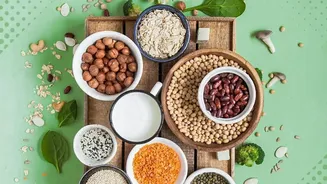
Instead of hunting for buzzwords, start by asking: 'Where is my protein?'. Protein is a powerhouse nutrient essential for building and repairing tissues, including muscles, bones, and skin. One of its biggest practical benefits is satiety; meals rich in protein help you feel fuller for longer, which can help regulate your appetite and reduce cravings between meals. For an Indian pantry, this is easy to achieve. Lentils (dals), chickpeas (chana), kidney beans (rajma), and soya are all excellent, affordable sources. Dairy products like paneer and curd, along with eggs, are also fantastic protein providers. Spreading your protein intake across meals is a practical way to ensure you’re consistently fuelling your body throughout the day.
Focus on Fibre for Gut Health and Stability
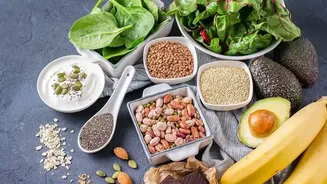
The second question to ask is: 'Where is my fibre?'. Fibre is crucial for digestive health, helping to prevent constipation and support a healthy gut microbiome. Like protein, it also plays a key role in satiety. By slowing down digestion, fibre helps stabilise blood sugar levels, providing you with more consistent energy. Fortunately, Indian cuisine is naturally rich in fibre. Whole grains like whole wheat (atta), jowar, bajra, and ragi are staples. Vegetables, fruits, and legumes such as lentils and beans are packed with it, too. Combining protein and fibre is a powerful strategy; research shows this duo works together to improve fullness and metabolic health. A meal of rajma with brown rice and a side salad, or paneer bhurji with multigrain roti, perfectly illustrates this balanced approach.
Don't Forget Flavour: The Key to Consistency
Healthy eating should not be a flavourless punishment. In fact, flavour is the secret ingredient to long-term success. When food is enjoyable and satisfying, you are more likely to stick with healthier eating patterns. Bland diets often lead to burnout and a return to less nutritious habits. Flavour makes healthy foods, like vegetables and plant proteins, more appealing. This is where an Indian pantry truly shines. Spices like turmeric, cumin, coriander, and garam masala, and aromatics like ginger, garlic, and fresh herbs, add incredible depth and complexity to meals without adding excess salt or fat. A thoughtful use of flavour turns a simple dal or sabzi into a delicious and nourishing experience, proving that health and taste can, and should, go hand in hand.
Putting It All Together: A Practical Pantry
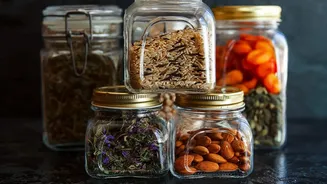
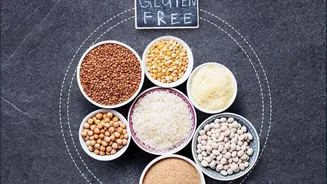
Building a pantry around this philosophy is simple and practical. Start by ensuring you have a variety of foundational ingredients. Stock up on different types of dals (toor, moong, masoor) and legumes (chana, rajma). For grains, include whole wheat atta, millets like ragi and jowar, and brown rice. Keep a well-organised spice box with your essential masalas. Also, have staples like nuts, seeds, and healthy fats on hand. The goal isn't to have a 'perfect' pantry, but a functional one that makes it easy to assemble balanced, flavourful meals. When your kitchen is stocked with these core components, you are always just a few steps away from a meal that delivers on protein, fibre, and flavour.