



The 'Dry' Run-Through
Weeks before liftoff, the Crew-13 astronauts and ground teams engage in a full-scale simulation known as a “dry dress rehearsal.” This is a meticulous, top-to-bottom practice of launch day procedures without the rocket being fueled. The astronauts, including
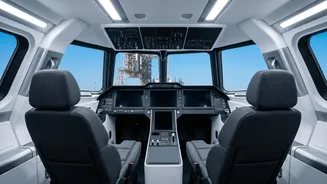
Jessica Watkins, Luke Delaney, Joshua Kutryk, and Sergey Teteryatnikov, put on their sleek SpaceX pressure suits, perform leak checks, and travel to the launch pad. They board the Dragon spacecraft, strap in, and run through the communications and countdown sequences with mission control. The term “dry” signifies that no cryogenic propellants are loaded, allowing teams to iron out procedural kinks, check timings, and verify that every person and piece of software is perfectly synchronized in a lower-risk environment. It's a critical step for building the muscle memory needed for the real event.
Getting Wet: The Fueling Rehearsal
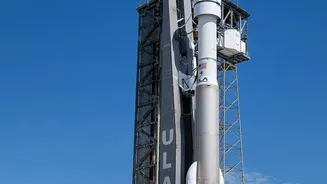
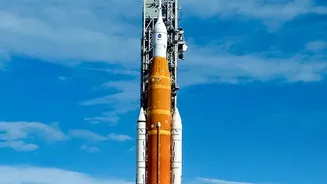
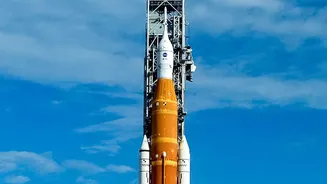
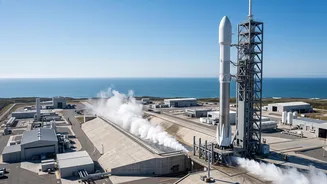
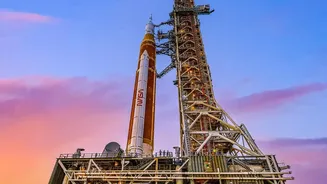
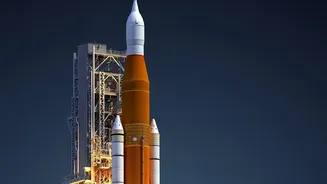
The next major milestone is the “wet dress rehearsal” (WDR), which dramatically ups the stakes. This time, the fully assembled Falcon 9 rocket and Dragon capsule are loaded with their actual propellants—hundreds of thousands of gallons of super-chilled liquid oxygen and rocket-grade kerosene. The primary goal is to simulate the entire launch countdown, including the complex and hazardous fueling process, right up to the final moments before engine ignition. Engineers and launch controllers monitor the vehicle for leaks, test pressurization systems, and ensure the ground support equipment interfaces correctly with the rocket. This rehearsal is invaluable for uncovering issues that only appear under cryogenic (extremely cold) conditions, as happened during a WDR for the Artemis II mission which revealed a fuel line leak that needed fixing. For the crew, this is typically done without them aboard the spacecraft for safety reasons.
Lighting the Candle: The Static Fire Test
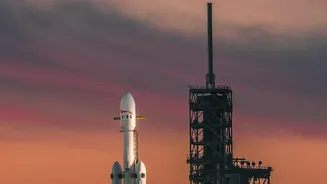
Perhaps the most dramatic rehearsal is the static fire test. This event is often combined with the wet dress rehearsal and serves as the final, definitive health check for the rocket's engines. While the Falcon 9 is held down securely on the launch pad, its nine first-stage Merlin engines are briefly ignited and fired at full thrust for several seconds. This allows engineers to verify that the engines are performing as expected and to gather critical data on thrust, pressure, and propellant flow. The successful completion of the static fire, which was done for Crew-13, is one of the last major boxes to be checked before mission managers give the final 'go' for launch. It confirms that the propulsion system is healthy and ready for flight, providing the ultimate assurance that the rocket will perform as designed when it matters most.
Training for the Unexpected
Beyond the hardware rehearsals on the pad, the astronauts and flight controllers spend countless hours in simulators preparing for every conceivable scenario. These are not just practice runs of a perfect mission. Simulation teams are notorious for introducing unexpected problems—from engine sensor failures to cabin pressure leaks—to test the crew and ground teams' real-time problem-solving skills. This training philosophy, honed over decades of human spaceflight, ensures that the team isn't just following a script but deeply understands the spacecraft's systems. For missions far from Earth, where there's no quick way home, this ability to adapt and overcome unforeseen challenges is just as critical as the rocket itself.