





The Joy of a Custom Creation
Store-bought candles are lovely, but crafting your own is a different experience entirely. It's a therapeutic activity that engages the senses, reduces stress, and offers a powerful creative outlet. The process of making something with your own hands—from
melting the wax to choosing the perfect scent—provides an immediate sense of accomplishment. This tangible reward can boost self-esteem and release dopamine, the brain's 'feel-good' chemical. More than just a craft, it’s an act of mindfulness. The focus required helps quiet a busy mind, making candle-making a form of self-care. The end result isn't just a candle; it's a mood you've curated, a memory you've bottled, and a functional piece of decor that is a unique reflection of you.
Gathering Your Simple Supplies
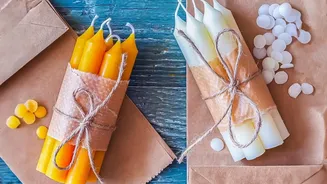
Getting started is less complicated than you might think. Most materials are available at craft stores or online, with many retailers in India now offering curated kits. For beginners, the essentials are straightforward. You will need wax flakes, wicks with metal bases, and a vessel. Soy wax is a fantastic choice for those new to the craft as it burns cleanly, holds fragrance well, and is easy to work with. You'll also require a heat-safe pouring pitcher and a larger pot to create a double boiler, a kitchen thermometer, a stirring utensil, and something to hold the wick in place, like a clothespin or chopsticks. Finally, the most important element: your fragrance. You can choose between essential oils for natural aromas or specially formulated candle fragrance oils for a wider variety and stronger scent.
The Heart of the Candle: Choosing Your Scent
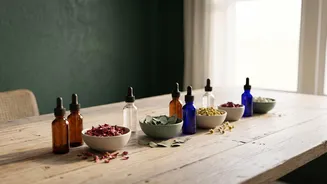
This is where your personality truly shines. Fragrance is deeply personal, capable of evoking memories and shifting your mood. The primary choice is between fragrance oils and essential oils. Fragrance oils are specifically designed for candle making, ensuring they perform well in hot wax and provide a consistent, strong 'scent throw'. Essential oils offer natural, therapeutic properties but can be more unpredictable with heat. Think about the mood you want to create. For relaxation, consider lavender or sandalwood. For an uplifting, energetic feel, citrus notes like orange or bergamot are excellent choices. Don't be afraid to blend up to three different oils to create a signature scent that is uniquely yours. A great tip for beginners is to test scent combinations on paper strips before committing them to the wax.
The Step-by-Step Wax Preparation Process
The technical part of candle making is a simple, methodical process. First, prepare your container by securing the wick to the bottom centre using a wick sticker or a dab of hot glue. Next, measure your wax; a good rule is to fill your chosen container with flakes twice to estimate the amount needed. Set up a double boiler by placing your pouring pot inside a larger pot filled with a few inches of simmering water. Add the wax flakes to the pouring pot and let them melt slowly, stirring occasionally until the liquid is smooth. Use a thermometer to monitor the temperature. Heat soy wax to around 85°C (185°F). Once melted, remove the pot from the heat and let the wax cool slightly before adding your chosen fragrance oil. Stir gently for about 30 seconds to a minute to ensure the oil is fully incorporated. Finally, carefully pour the scented wax into your prepared container, secure the wick at the top so it stays centred, and let it cool completely for several hours or overnight.